How to Choose the Best Booth Exhibition Stand for Your Business?
Choosing a Booth Exhibition Stand is not just a matter of picking an attractive shape or color. The right design should help visitors understand what your business offers within a few seconds. It must also fit the event’s floor space, budget, transport plan, and staffing needs. A glowing wall may catch the eye, but it cannot replace clear messaging or a useful conversation area. That matters.
Before comparing suppliers, define the stand’s purpose. Are you launching a product, collecting leads, demonstrating equipment, or strengthening existing relationships? Each goal calls for different features. A compact counter may suit quick consultations, while a product demo needs safe, accessible viewing space and reliable power. Check venue specifications early, including height limits, access routes, installation times, and electrical requirements. Confirm details with the organizer rather than relying on assumptions.
Materials and construction deserve equal attention. Reusable frames can reduce repeat costs, while modular graphics make updates easier. Ask for itemized quotations, drawings, delivery dates, installation support, and examples of completed projects. Photos help, but ask how the stand performed in a real exhibition setting. A polished rendering can hide awkward storage, glare, or crowded sightlines. Walk through the layout at visitor height, and check whether staff can greet people without blocking traffic. No design is perfect. Sometimes a simpler stand works better, though that can be hard to accept when a dramatic concept looks impressive on screen. A careful comparison of goals, practical details, and supplier evidence helps you choose a stand that works beyond the first impression.
Define Your Exhibition Goals and Target Audience
Before comparing booth layouts, decide what the exhibition must achieve. Are you introducing a service, booking qualified meetings, or demonstrating a product? Choose one primary goal and two useful measures, such as scheduled conversations and product demonstrations. “More visibility” sounds attractive, but it is hard to assess without a clear definition. Be specific.
Define your target audience beyond job titles. Note what visitors already know, what problems they need solved, and how much time they may have. A technical buyer might value a quiet demonstration area; a busy distributor may prefer clear product displays and quick conversations. Ask sales staff which questions prospects repeatedly raise. Review feedback from previous events, if available. Some assumptions will be wrong.
These details should shape the stand’s size, layout, and messaging. If visitors need hands-on explanations, allow room for a demonstration without blocking the aisle. If the goal is meetings, plan seating and privacy rather than filling every wall with graphics. Keep key messages readable from several steps away. A beautiful booth can still miss its audience. Test the layout against your goals before committing.
How to Choose the Best Booth Exhibition Stand for Your Business?
Define Your Exhibition Goals and Target Audience
Use this illustrative 1–5 planning scale to match booth features with your main goal. Prioritize meeting space for lead generation and networking, a demo area for product demonstrations, and clear signage for brand awareness. Adjust the ratings to fit your audience and event plan.
Assess Booth Space, Layout, and Visitor Flow
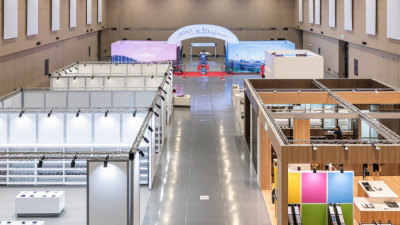
Begin with the available floor area and the venue’s traffic pattern, rather than choosing a stand shape by appearance. Mark the edges, columns, power points, and neighboring entrances on a scaled plan. Then decide what visitors should notice from the aisle: a product demonstration, a conversation area, or a clear welcome point. A 3-by-3-metre space may look generous on paper, but a counter and two chairs can quickly narrow its entrance. Measure twice.
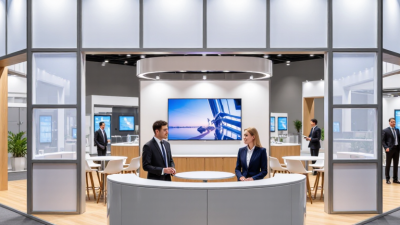
Leave a visible opening so people can enter without squeezing past furniture. Position displays where visitors can pause without blocking the aisle, and keep frequently handled samples within easy reach. If staff stand behind a counter, check that they can step out naturally to greet someone. Walk the layout from the visitor’s perspective, approaching from both sides if the hall allows it. A simple taped floor outline can reveal awkward turns before the stand is built. Even careful plans miss things; sightlines may change once neighboring exhibits appear. Review the flow after setup, then move one element if people hesitate or cluster in the wrong place.
Choose Materials, Design Features, and Brand Elements
A booth stand should match how your team will use it, not just how it looks in a rendering.
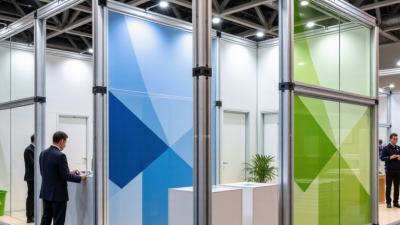
Aluminum frames are lightweight and reusable, while timber panels can create a warmer, more substantial feel. Fabric graphics travel easily and soften hard edges, but they need careful tensioning to avoid wrinkles.
Keep it sturdy.
Ask suppliers for material samples, weight details, and setup instructions before approving a design. A small sample often reveals more than a polished screen image.
Design features should support real visitor behavior.
Keep the main message visible from the aisle, and leave enough open space for two people to talk without blocking traffic.
Use storage for bags, samples, and spare cables; clutter appears quickly on a busy show floor. Plan lighting around the venue’s conditions, since a bright display can look washed out under strong overhead lights.
Brand elements work best when they are consistent and restrained: use approved colors, readable type, and one clear visual focus. Check that logos remain legible at a distance. More graphics are not always better.
I would still test the layout with actual products and staff;
a neat drawing can hide awkward reach or poor sightlines.
Compare Booth Types, Costs, and Customization Options
How to Choose the Best Booth Exhibition Stand for Your Business?
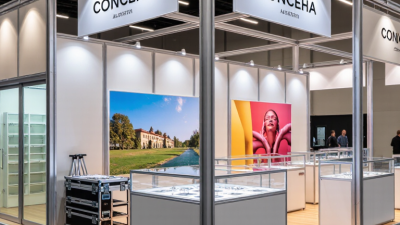
Booth choice should follow your sales goal, floor position, and available budget. A modular stand usually costs less and can be reused across several shows. A custom stand offers stronger visual impact, but design, freight, labor, and storage can increase costs quickly. A portable pop-up system suits smaller spaces. It may look less distinctive, though. In my event projects, a clear counter, two product zones, and open corners often created better conversations than crowded graphics.
CEIR’s 2024 Index reported that U.S. business events in 2023 recovered to about 90% of 2019 performance, depending on the measured category. That recovery suggests continued value in face-to-face exhibiting, but it does not justify overspending. Compare the cost per qualified conversation, not only the rental price. The Exhibition Industry Research reports also show that attendance and exhibitor participation remain key performance indicators, so staff capacity matters as much as booth design.
Customization should support measurable actions. Add a demo screen, private meeting table, storage cabinet, and visible lead-capture point. Use graphics readable from the aisle. Freeman’s 2024 research found that many attendees value interactive, in-person experiences, yet engagement can fall when technology replaces human contact. I have seen expensive displays underperform because visitors could not identify the offer within five seconds. A smaller, adaptable stand may produce better results. That assumption should still be tested after each event. Track leads, meeting quality, setup time, and total cost before choosing the next format.
How to Choose the Best Booth Exhibition Stand for Your Business? - Compare Booth Types, Costs, and Customization Options
A practical comparison of common exhibition booth formats, estimated costs, setup requirements, and customization flexibility.
| Booth Type |
Typical Size |
Estimated Cost
(USD) |
Setup Time |
Reusability |
Customization Level |
Best For |
Main Limitations |
| Tabletop Display |
6–8 ft wide |
$300–$1,500 |
15–45 minutes |
High |
Low to medium |
Small businesses, seminars, and low-cost events |
Limited floor presence, storage, and meeting space |
| Pop-Up Display |
8–20 ft wide |
$1,000–$4,000 |
30–90 minutes |
High |
Medium |
Frequent exhibitors needing quick installation |
Curved or fixed layouts offer less design freedom |
| Fabric Tension Display |
8–20 ft wide |
$1,500–$6,000 |
45–120 minutes |
High |
Medium to high |
Businesses seeking lightweight frames and large graphics |
Fabric may require careful cleaning and wrinkle management |
| Modular System |
10–40 ft wide |
$5,000–$20,000 |
2–6 hours |
High |
High |
Growing companies attending multiple shows |
Higher initial investment and more components to manage |
| Custom-Built Booth |
20–50+ ft wide |
$15,000–$100,000+ |
1–3 days |
Medium |
Very high |
Large brands, product launches, and premium experiences |
High design, shipping, labor, storage, and dismantling costs |
| Outdoor Canopy Booth |
10 × 10 to 20 × 20 ft |
$800–$8,000 |
30–120 minutes |
High |
Medium |
Outdoor fairs, festivals, demonstrations, and mobile events |
Requires anchoring, weather planning, and suitable flooring |
Cost Planning
The estimates cover the display structure and standard graphics. Add budget for floor space, electricity, shipping, labor, furniture, internet, storage, and local taxes.
Customization Priorities
Consider branded graphics, product shelving, demonstration counters, private meeting areas, lighting, digital screens, storage, and accessible circulation routes.
Best Selection Rule
Choose a tabletop or pop-up display for portability, a modular system for repeated use and flexibility, or a custom-built booth when brand experience and impact are the main objectives.
Note: Costs are typical planning ranges in USD and vary by size, materials, graphics, venue regulations, shipping distance, installation labor, and event location. Always request a detailed quotation before ordering.
Evaluate Suppliers, Installation, and Reusability
Choosing a booth exhibition stand means judging the supplier’s process, not just the render. Ask who checks venue requirements, confirms load-in times, and supervises installation. Request a written schedule with delivery, build, and dismantling milestones. A polished design can still fail if a crate arrives late or the aisle-facing panel blocks a product demo. CEIR’s research on business-to-business exhibition audiences has reported that about 81% of attendees have buying authority or influence. That makes clear sightlines and dependable setup more than cosmetic details. Still, no statistic can predict how visitors will move through your specific booth.
Check the supplier’s safety documentation, installation crew experience, and contingency plan for damaged or missing parts. Then ask what can be reused. Modular frames, replaceable graphics, and standard-size counters can reduce future rebuilds, but only if they fit your next floor plan. Freeman’s 2024 Trends Report emphasizes attendees’ desire for meaningful in-person experiences; a reusable stand should support conversation, not merely look sustainable. Ask for a component list, estimated service life, storage needs, and a reuse-cost breakdown. Get it in writing. I would also request photos from previous installations, including the less flattering angles. That small step can reveal cable clutter or awkward joins before show day.

 Contact Us