 Contact Us
Inquiry
Form loading...
-
E-mail
-
Whatsapp
-
Whatsapp

Choosing the China Best Modular Exhibition Stall Manufacturer? The answer depends on more than factory size or attractive pricing. A reliable partner should combine design experience, production control, transparent communication, and proven installation support. The right Modular Exhibition Stall must fit your brand, products, venue rules, budget, and schedule.
Experienced manufacturers understand how exhibitions work beyond digital drawings. They consider visitor flow, lighting positions, storage access, graphic replacement, and repeated assembly. A practical team can explain aluminum profiles, fabric walls, counters, hanging signs, and transport cases clearly. Factory photos help, but completed project evidence is stronger. Ask for material specifications, quality procedures, packing details, and references from similar events.
No supplier is perfect. Small errors can happen. However, dependable manufacturers respond quickly and correct problems responsibly. They should provide accurate drawings, sample approvals, production updates, and installation guidance. Independent certifications and clear contracts can strengthen confidence, but they never replace careful communication. A quotation that seems unusually low may exclude flooring, lighting, shipping, or venue services. Check every line.
This guide examines how to compare Chinese Modular Exhibition Stall manufacturers with practical judgment. It considers customization, structural safety, visual quality, lead times, sustainability, and after-sales service. It also questions common marketing claims. The best choice may not be the cheapest or largest supplier. It should be the partner that delivers a functional, reusable, and memorable exhibition space. Perhaps one more inspection is always worthwhile.
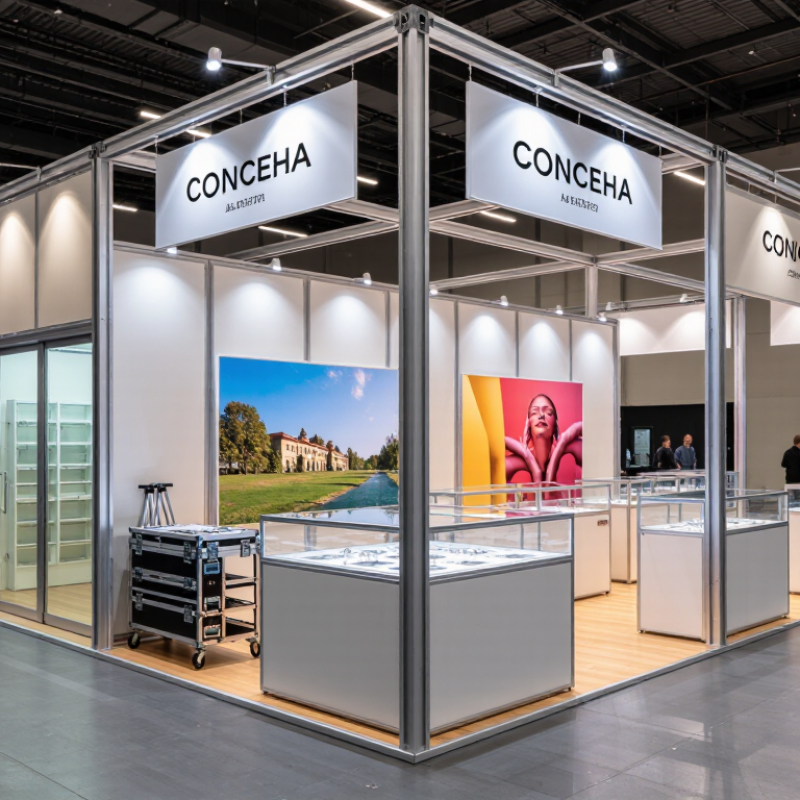
China Best Modular Exhibition Stall Manufacturer?
What Is a Modular Exhibition Stall Manufacturer in China?
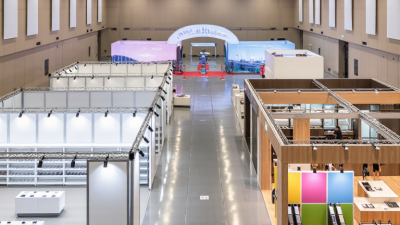
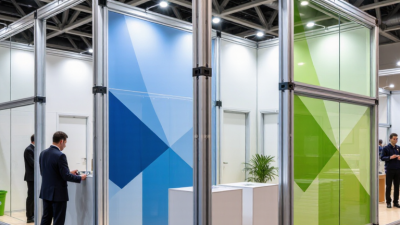
A modular exhibition stall manufacturer in China designs, produces, and prepares reusable booth systems. The work goes beyond cutting aluminum frames. It may include 3D design, lighting plans, graphic printing, furniture, packing, shipping, and on-site installation. These suppliers often use aluminum profiles, laminated panels, fabric walls, and tool-free connectors. A good manufacturer can adjust a 3×3-meter booth for one event, then expand it for a larger floor space later.
Demand for flexible displays is growing. UFI’s 2024 Global Exhibition Barometer reported that 77% of surveyed companies expected exhibition activity to increase during the following 12 months. That trend makes reusability financially important. However, “factory-direct” does not automatically mean reliable. Buyers should inspect material samples, connection details, electrical documentation, and previous installation records. Fire ratings and venue rules also require careful checking. A beautiful rendering cannot support a heavy screen by itself. The weak point is often hidden in the engineering.
Tips: Request a complete quotation. It should separate design, production, graphics, packing, transport, and installation. Confirm tolerances, replacement parts, and delivery dates in writing. Ask for a digital assembly guide. Ideally, require a small prototype or sample corner before mass production. Some projects still fail because communication is rushed, or because the buyer changes graphics too late. That mistake is common, and avoidable.
| Evaluation Dimension | Typical Industry Information | Why It Matters | Recommended Verification |
|---|---|---|---|
| Definition | A modular exhibition stall manufacturer designs and produces reusable booth systems made from standardized frames, panels, connectors, graphics, lighting and accessories. | The system can be assembled, reconfigured and transported more efficiently than a fully custom-built booth. | Confirm whether the supplier provides design, engineering, production, packing and installation support. |
| Main Structural Materials | Common materials include aluminum profiles, steel connectors, fabric graphics, laminated boards, acrylic, glass and lightweight composite panels. | Material selection affects weight, durability, appearance, fire performance and shipping cost. | Request material specifications, profile dimensions, surface finishes and applicable test reports. |
| Modular Configuration | Standard components may be combined into inline booths, corner booths, peninsula booths and island booths in different sizes. | A flexible layout allows the same structural system to be adapted for different events and floor spaces. | Ask for layout drawings showing component compatibility and possible future configurations. |
| Reusability | Frames, counters, shelves and selected accessories can generally be reused; printed graphics may need replacement when campaign content changes. | Reuse can reduce long-term booth costs and material waste over multiple exhibitions. | Check the expected assembly cycle, replacement-part availability and graphic-change process. |
| Design Service | Professional suppliers commonly provide 2D floor plans, 3D renderings, structural drawings and graphic placement plans. | Accurate design helps control visitor flow, product display, storage, branding and electrical requirements. | Confirm the number of design revisions, file formats and whether venue rules are included in the review. |
| Production Lead Time | A standard modular project may require several weeks for design approval, sample confirmation, production, quality inspection and packing. Complex projects generally require more time. | Early scheduling reduces the risk of expedited production, shipping delays and venue-missed deadlines. | Request a written timeline covering artwork approval, prototype production, final manufacturing and dispatch. |
| Printing Quality | Common display graphics use dye-sublimated fabric, UV-printed boards, backlit fabric or tension-fabric systems. | Print resolution, color consistency, seam visibility and edge finishing directly affect the booth’s visual quality. | Approve a physical print proof or color reference and confirm artwork requirements before production. |
| Lighting and Electrical Integration | Modular stalls may integrate LED spotlights, light boxes, illuminated headers, power sockets and cable-management channels. | Proper integration improves product visibility and helps maintain a clean, safe appearance. | Confirm voltage, plug type, wattage, cable routing and compliance with the exhibition venue’s electrical rules. |
| Packing and Transportation | Components are commonly packed in cartons, plywood cases or reusable transport cases, depending on size, fragility and reuse requirements. | Good packing reduces damage during domestic or international transportation and simplifies inventory control. | Request packing dimensions, gross weight, itemized packing lists and protection measures for fragile parts. |
| Installation Support | Support may include assembly manuals, video instructions, remote guidance or on-site installation arranged through a local team. | Clear installation procedures help control labor time and reduce assembly errors at the venue. | Clarify installation scope, labor responsibility, dismantling service and overtime charges. |
| Quality Control | A structured process may include incoming-material inspection, dimensional checks, surface inspection, trial assembly and final packing inspection. | Quality checks help identify missing parts, unstable connections, printing defects and finish inconsistencies before shipment. | Ask for inspection photos, trial-assembly records, tolerance standards and the procedure for handling defects. |
| Safety and Venue Compliance | Booth designs may need to meet venue requirements for structural stability, fire resistance, electrical safety, height limits and aisle clearance. | Non-compliant structures can require costly changes or may not be approved for installation. | Provide the venue manual early and confirm who is responsible for engineering documents and approval submissions. |
| Customization Capability | Customization can include dimensions, colors, graphics, counters, display shelves, meeting rooms, storage areas and multimedia equipment. | A balance between standard modules and custom elements can achieve a distinctive appearance without fully rebuilding the booth. | Separate standard components from one-time custom parts in the quotation and drawings. |
| Quotation Transparency | A complete quotation should distinguish design, materials, graphics, lighting, packaging, shipping, installation, taxes and venue-related services. | An itemized quotation makes suppliers easier to compare and reduces unexpected costs. | Compare identical specifications and request clarification for exclusions, optional items and change-order fees. |
| Supplier Selection Standard | The strongest candidate is usually the supplier that demonstrates suitable engineering, consistent production quality, clear communication, reliable logistics and relevant project experience. | Low price alone does not guarantee structural safety, visual quality or on-time delivery. | Evaluate samples, technical documents, references, response speed, warranty terms and after-sales support together. |