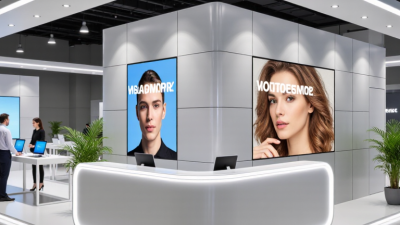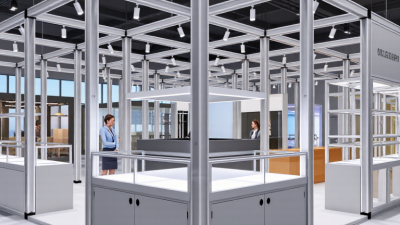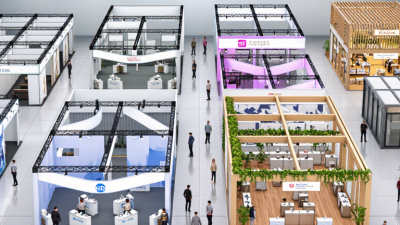
Choosing the best Modular Exhibition Stands in 2026 means looking beyond polished renderings. The right system should fit your booth size, transport limits, staffing, and event schedule. A lightweight frame may reduce shipping effort, while tool-free connectors can make setup easier for a small team. Graphics should align cleanly, even when panels are reused in a different layout. Small details matter.
This guide compares modular stand options through practical criteria: adaptability, build quality, storage, visual impact, and total ownership cost. It also considers how often a stand will travel and whether replacement parts are readily available. A system used at several shows may justify a higher upfront price. For a single event, that investment may not pay off. But trade-offs remain.
Modularity is not magic. Some systems need specialist installation, and frequent reconfiguration can expose weak joints or awkward graphic seams. Product specifications help, but they cannot show every challenge on a crowded exhibition floor. Ask suppliers for clear dimensions, material details, warranty terms, and examples of comparable installations. If possible, inspect a sample before committing. The best choice is not necessarily the largest or most elaborate stand. It is the one your team can transport, assemble, maintain, and adapt with confidence—without overlooking the practical compromises behind the display.
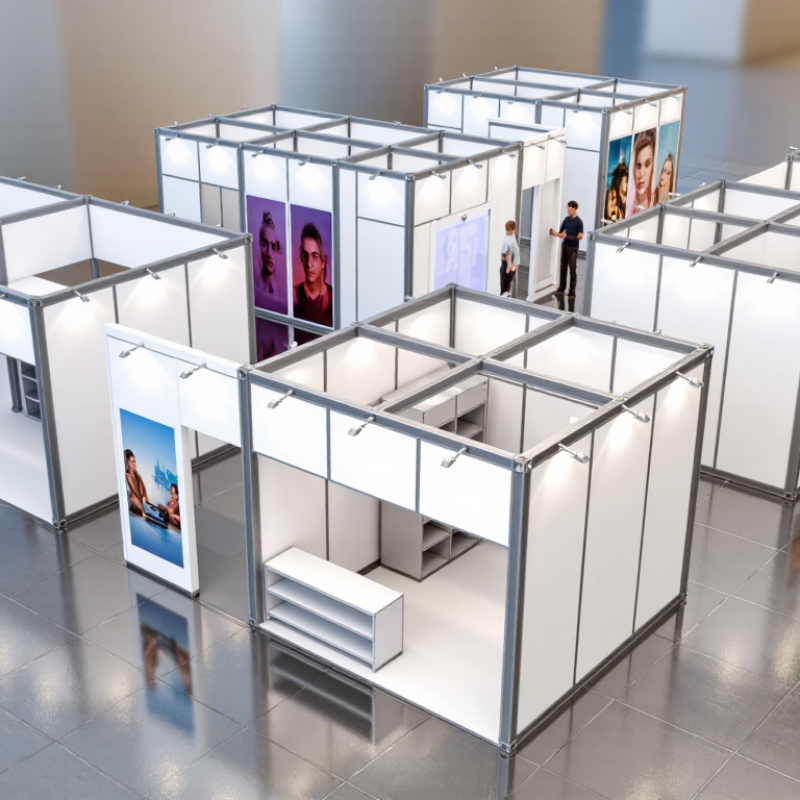
A modular exhibition stand is a reusable structure built from standard frames, connectors, and interchangeable panels. The frame sets the footprint; panels carry graphics, while shelves, counters, and lighting attach where needed. Some systems click together by hand. Others need tools, so check the assembly instructions before planning a quick setup. It sounds simple. It can still go wrong.
At a show, the team assembles the frame, checks that each joint is secure, then fits graphics and accessories. After the event, components pack into cases for storage and transport. For example, a 3-by-3-metre stand might use the same frame at several shows, with new graphics and a different counter position. UFI’s 2024 Global Exhibition Barometer projected industry revenue at 115% of its 2019 level for 2024, suggesting busy calendars make repeat-use systems worth considering. The report measures the exhibition sector, not modular stand performance, so it should not be read as proof of cost savings.
Modularity works best when the design matches real booth needs, venue limits, and the crew’s setup skills. Measure doorways and freight cases, and label every part. A loose connector can wobble. A small graphic mismatch may also show under bright hall lighting. Reuse reduces the need to rebuild everything, but damaged panels and frequent design changes can weaken the benefit. A test assembly before shipping is sensible, though teams sometimes skip it.
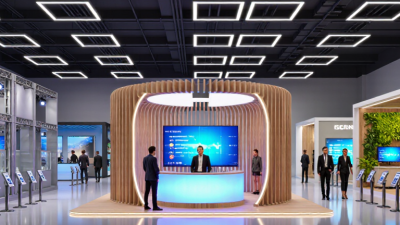
A modular stand is a kit of repeatable parts: frame sections, connector nodes, graphic panels, shelves, counters, and lighting rails. Choose components around the visitor’s path, not just the floor plan. A clear entrance and an open demo counter make it easier to approach, pause, and ask questions.
Small detail. Big difference.
Configurations range from a compact straight wall to an island layout with access on all sides. CEIR attendee research is commonly cited as finding that 81% of trade show attendees have buying authority. That makes readable product displays and usable conversation space practical priorities.
A lightweight aluminum frame suits frequent reconfiguration; fabric graphics reduce visual seams, while rigid panels can support shelves and screens. Check connection strength before adding heavy equipment.
For a 3-by-3-metre space, a back wall, one return panel, and a narrow counter can create a tidy meeting zone without blocking sightlines. Larger spaces can add a suspended sign, storage closet, or two-sided product tower.
Measure packed components and doorway widths before ordering; a clever design is less clever if it cannot fit in the lift.
Reusable parts can reduce replacement needs, but damaged connectors and outdated graphics still create waste. Modular is flexible, not magic.
Modular exhibition stands in 2026 range from lightweight fabric systems to rigid frame-and-panel builds. Pop-up frames suit compact booths: they unfold quickly and create a clean backdrop for graphics. Fabric systems are also easy to transport. Their stretch fabric can soften harsh lighting, though wrinkles may show if tension is uneven. Frame-and-panel stands offer shelves, lockable storage, and defined meeting areas. They work well when products need secure display space.
For larger footprints, modular aluminium frames can support counters, screens, and overhead signs. Truss systems add a more open, industrial look and can carry lighting, but they need careful planning and extra setup time. UFI’s January 2024 Global Exhibition Barometer estimated that 2023 exhibition-industry revenues had recovered to about 97% of 2019 levels. That activity makes reusable stand components practical, but reuse is not automatic; damaged panels and outdated graphics still create waste.
Tips: Match the system to your crew and freight limits. Check connector compatibility before ordering extra modules. Measure the booth height, including signs and lights. Keep one spare fitting. It helps. A small test build can reveal awkward cable routes or a counter that blocks the aisle. Modular does not mean effortless.
What Are the Best Modular Exhibition Stands in 2026?
How to Compare Modular Stands for Different Exhibition Needs
The best modular stand depends on the venue, team, and job it must do. For a compact booth, lightweight fabric panels can reduce packing volume and speed up setup. Larger spaces may need rigid frames, lockable storage, and clear product zones. Compare total ownership costs, not just the rental or purchase price. Include freight, labor, graphics, replacement parts, and storage. UFI’s 2024 Global Exhibition Barometer reported that exhibition revenues in 2023 were 20% above 2019 levels. That recovery makes flexible reuse worth considering, though a system that fits every show can still feel generic.
Check the footprint, ceiling height, access points, and setup window before choosing a configuration. Ask suppliers for floor plans, component weights, and realistic build times. A modular frame that looks simple on paper may need extra hands or tools onsite. For frequent shows, prioritize durable connectors and graphics that can be changed without replacing whole panels. For a one-off launch, a simpler rental may make more sense. There is no perfect system; the trade-off between portability and visual impact deserves a second look.
Tips: Test one layout at full scale before ordering. Mark aisle edges with tape, then check sightlines from the entrance. Keep a small repair kit, and photograph each packed case for easier setup next time.
| Stand format | Typical construction | Portability | Reconfiguration | Best suited to | Points to consider |
|---|---|---|---|---|---|
| Aluminium frame with fabric graphics | Lightweight frame sections support tensioned printed fabric panels. | Generally easy to transport when packed into cases; packed size depends on the layout. | Frame components and graphics can often be rearranged or replaced within the system. | Businesses needing a reusable backdrop for repeated events, product displays, or larger booth layouts. | Check graphic dimensions, fabric care instructions, lighting options, and whether the frame supports future layouts. |
| SEG fabric display | Printed fabric with a silicone edge fits into a compatible frame channel for a smooth, largely seamless face. | Fabric packs compactly; frame portability depends on its material and section design. | Graphics can be changed, but replacements must match the frame’s dimensions and edge specification. | Clean, continuous graphic walls and displays where a polished fabric finish is important. | Confirm the frame and graphic use the same SEG profile; large graphic walls may need careful packing and handling. |
| Modular panel system | Interlocking or connected panels form walls, partitions, and display surfaces. | Varies with panel material, quantity, and packing method; larger systems can require more storage and transport space. | Panel combinations can support different footprints, subject to compatible connectors and available components. | Booths requiring enclosed areas, meeting spaces, storage, or sturdy display surfaces. | Review total packed volume, connection hardware, surface finish, and any venue rules for wall height or stability. |
| Modular truss system | Connected structural sections create frames, overhead features, or open display structures. | Transport requirements depend on section size and the scale of the build. | Multiple layouts may be possible when compatible sections and connectors are available. | Open-plan exhibits, suspended-look frames, and displays that need prominent structural features. | Confirm load limits, engineering requirements, rigging permissions, and installation needs for the specific design. |
| Portable pop-up display | Collapsible or linked frame supports panels or graphic coverings and folds for transport. | Designed for portability; packed dimensions and weight vary by configuration. | Usually more limited than systems built from separate interchangeable structural components. | Small booths, quick backdrops, and teams prioritizing straightforward transport and setup. | Check replacement graphic availability, frame durability, case requirements, and whether the format suits the planned booth size. |
| Hybrid modular stand | Combines elements such as framed graphics, counters, shelving, panels, or lighting. | Depends on the mix of components; counters, shelves, and electrical equipment add packing needs. | Can offer broad layout options when components share compatible connections and dimensions. | Exhibitors with changing space requirements or a need to combine graphics, product display, and visitor interaction. | Check component compatibility, electrical planning, assembly instructions, and the transport plan for the complete kit. |
What Are the Best Modular Exhibition Stands in 2026?
Choosing the Best Modular Exhibition Stand for Your Brand
The best stand is not always the largest. It should fit your booth dimensions, team size, product displays, and storage needs. Start with a floor plan: mark entrances, visitor flow, power points, and sightlines. Then check whether the system can be reconfigured for different event spaces. A lightweight frame with tool-free connectors can save setup time, but only if its panels stay stable and graphics align cleanly. Test a sample before committing. Small gaps show.
UFI’s 2024 Global Exhibition Barometer reported that exhibition-industry revenues in 2023 averaged about 98% of 2019 levels. That recovery makes reuse and flexible layouts practical considerations, not just design preferences. Compare total costs across several shows, including transport, storage, replacement graphics, and installation labor. Ask suppliers for material specifications, load limits, and a clear parts list. A polished render is helpful, but it cannot reveal how awkward a crate is to move or how long assembly takes. That matters.
Tips: Sketch your visitor route before choosing a layout. Use one clear focal point, such as a lit product shelf, and leave space for conversations. Request an assembly trial with your actual graphics. If the stand only works in one configuration, reconsider it.