Inquiry
Form loading...

What Are the Top 10 Exhibition Stand Systems?

Choosing the right exhibition stand system can shape every visitor’s experience, from the entrance view to the final sales conversation. Exhibition Stand Systems influence transport, installation, branding, storage, lighting, and long-term budget control. They are not merely frames and graphic panels.

According to David DuBois, former president and CEO of the International Association of Exhibitions and Events, “Exhibitions are a powerful medium for face-to-face marketing.” His observation explains why a stand must support human interaction, not only visual impact. A beautiful structure can still fail when visitors cannot find the reception desk, product area, or meeting space.

This guide examines ten leading Exhibition Stand Systems used across trade shows and business events. The comparison considers portability, modularity, reusability, visual flexibility, installation time, and practical maintenance. Some systems suit frequent international exhibitors. Others work better for compact booths or carefully designed custom environments.

There is no perfect solution.

A lightweight pop-up system may save time, yet offer fewer architectural possibilities. A modular frame can provide stronger branding flexibility, but it may require more planning and trained installation. Even expert recommendations need context. Venue rules, floor space, shipping routes, local labor, and brand objectives can change the final decision.

The ranking is therefore a practical starting point, not an absolute verdict. Each system deserves evaluation against real operating conditions. The strongest choice is the one that combines reliable performance, clear communication, and a memorable visitor journey.
What Are the Top 10 Exhibition Stand Systems?

What Is an Exhibition Stand System?

What Are the Top 10 Exhibition Stand Systems?

An exhibition stand system is a planned framework for presenting products, services, and messages at an event. It usually combines reusable frames, graphic panels, counters, lighting, shelves, and flooring. The structure must look professional while supporting quick installation and safe visitor movement. In practice, the best system balances appearance, transport, storage, and future reuse.

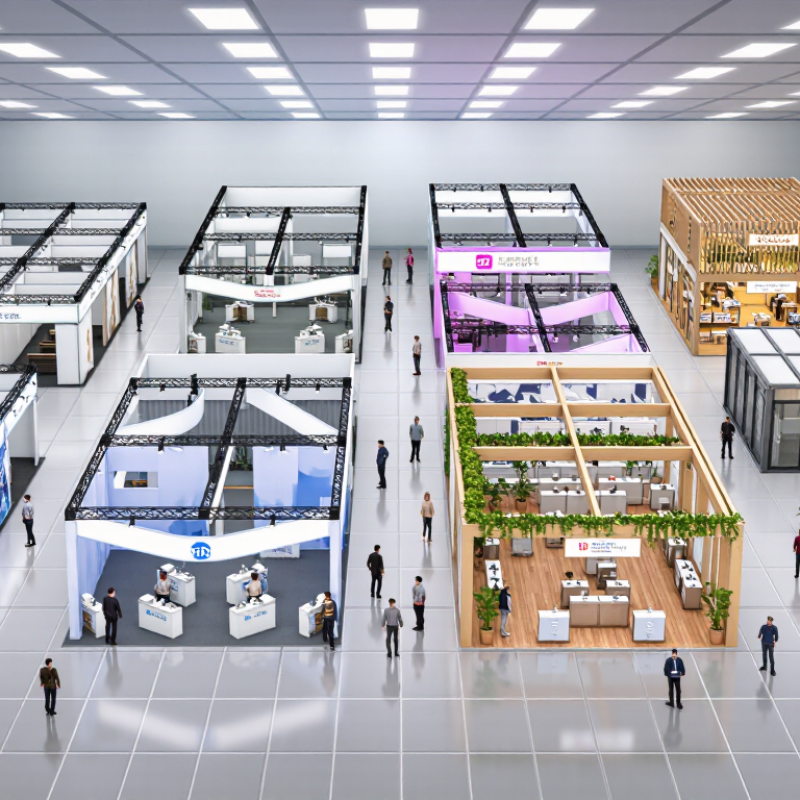
The top ten options often include modular frames, tension fabric systems, pop-up displays, panel systems, portable counters, truss structures, tube-and-fabric designs, hanging signs, outdoor structures, and custom hybrid stands. Modular frames suit changing layouts. Tension fabric creates smooth, large graphics. Pop-up displays work well in smaller spaces. Truss systems can carry lighting and screens. Outdoor structures need stronger anchoring and weather resistance. Each type has limits.

Choosing a system starts with the venue rules, stand size, visitor flow, and installation schedule. Experienced teams check ceiling heights, electrical access, fire safety requirements, and floor loading before design approval.

A beautiful layout can fail if storage blocks the aisle. Small details matter. I have seen teams overlook cable routes, causing delays during opening morning. That mistake is avoidable, but planning is rarely perfect.

A reliable supplier should provide clear drawings, material specifications, assembly instructions, and realistic delivery times. Review the system after each event. What looked efficient on paper may feel cramped in real use.
How Are Exhibition Stand Systems Classified?

What Are the Top 10 Exhibition Stand Systems? How Are Exhibition Stand Systems Classified?

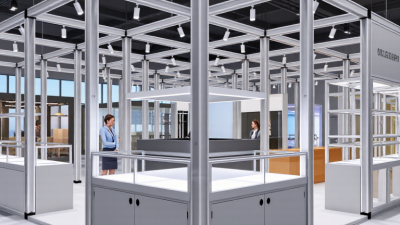
Exhibition stand systems are best classified by structure, portability, graphics, and intended venue. The ten common categories include pop-up, panel-and-post, modular aluminium, tension fabric, silicone-edge graphics, truss, tabletop, custom modular, outdoor, and double-deck systems. Pop-up stands suit quick installation. Modular aluminium frames offer stronger layouts and reusable parts. Tension fabric systems create smooth, lightweight walls. Truss systems support lighting and suspended signs. Double-deck structures need more engineering and venue approval.

Market data supports this practical classification. Grand View Research estimated the global exhibition market at about USD 36.5 billion in 2023, with projected growth of around 7.2% annually from 2024 to 2030. UFI’s Global Exhibition Barometer also tracks continuing recovery across international exhibition activity. These figures do not mean every stand needs advanced construction. A small tabletop system may outperform a large build when visitors need clear product access. That judgment is often missed.

Tips: Classify the stand before choosing its appearance. Check floor space, installation time, storage, lighting loads, and graphic replacement costs. Measure door widths and ceiling restrictions. Ask for fire-rating documents when required. Reusable frames can reduce waste, but only when future layouts match. In practice, some “flexible” systems are awkward to repair. I have seen attractive stands lose impact because one damaged graphic lacked a replacement. That is a useful flaw to plan for.

What Are the Top 10 Exhibition Stand Systems? - How Are Exhibition Stand Systems Classified?

Exhibition stand systems are commonly classified by structural framework, graphic method, portability, installation method, degree of customization, and intended exhibition environment. The following table summarizes ten widely used system categories without referring to specific companies or brands.

No. Exhibition Stand System Primary Classification Main Structure and Components Graphic and Display Method Best Suited For Typical Setup Reusability
1 Modular Aluminum Frame System Modular; lightweight framed construction Extruded aluminum profiles connected with joints, base plates, shelves, counters, and optional accessories. Fabric, rigid panels, printed boards, or integrated lightboxes. Medium and large stands requiring flexible layouts and repeated use. Usually 1–2 days, depending on size and accessories. High
2 Tension Fabric Frame System Fabric-covered; tool-assisted or tool-free frame Aluminum tube or profile frame covered by a stretch fabric skin. Dye-sublimated fabric graphics with silicone edging or pocket sleeves. Clean, seamless backwalls, branded environments, and lightweight displays. Several hours to one day for a standard configuration. High
3 Portable Pop-Up Display System Portable; collapsible frame system Folding scissor-style frame with magnetic bars, end panels, and a transport case. Magnetic PVC panels, fabric mural graphics, or laminated graphic sheets. Small booths, roadshows, seminars, and quick promotional setups. Approximately 15–60 minutes for a typical backwall. High
4 Shell Scheme System Standardized venue-provided panel system Octanorm-style or similar modular wall panels, aluminum uprights, beams, fascia, and a floor covering. Applied vinyl, hook-and-loop fabric panels, posters, and mounted signage. Standard booth spaces where economical and fast installation is important. Usually installed by the exhibition contractor within a short schedule. Medium to high
5 Panel-and-Post System Sectional; rigid panel construction Interlocking posts, beams, laminated panels, shelves, and optional display fittings. Direct-to-panel printing, mounted graphics, posters, and dimensional lettering. Organized product displays, educational exhibits, and medium-sized booths. Several hours to one day, depending on the configuration. High
6 Truss Display System Structural; load-bearing display framework Aluminum box truss or ladder truss with base plates, hanging points, lighting, and accessories. Fabric banners, rigid signs, hanging signs, LED screens, and mounted panels. Large visual structures, suspended signage, lighting rigs, and high-impact presentations. One to several days; professional assembly is normally required. High
7 Custom-Built Stand System Bespoke; semi-permanent or temporary construction Timber, metal, glass, laminates, raised floors, architectural elements, storage, and integrated furniture. Painted surfaces, printed panels, dimensional lettering, digital screens, and illuminated features. Flagship exhibits, complex visitor journeys, and highly customized brand environments. Several days to multiple weeks, including fabrication and installation. Low to medium
8 Banner Stand and Portable Counter System Compact portable display Retractable or telescopic banner mechanisms, lightweight poles, bases, and folding counters. Printed roll-up film, fabric banners, or replaceable graphic panels. Reception points, small exhibit areas, presentations, and mobile marketing events. Approximately 5–30 minutes per unit. High
9 Hanging Sign and Suspended Display System Overhead; suspended identification system Circular, triangular, rectangular, or custom overhead frames supported by approved rigging points. Printed fabric skins, rigid panels, illuminated lettering, or digital elements. Improving long-distance visibility and identifying booth locations in large halls. Installed by qualified rigging personnel according to venue regulations. High
10 Outdoor Canopy and Tent Display System Outdoor; weather-adapted temporary structure Folding or tensioned canopy frame, weighted bases, sidewalls, flooring, counters, and weather protection. Dye-sublimated canopy fabric, printed sidewalls, flags, banners, and rigid signs. Outdoor trade shows, festivals, sporting events, demonstrations, and product sampling. Approximately 30 minutes to several hours, depending on size and anchoring. High
Classification criteria include portability, structural design, graphic application, installation requirements, exhibition environment, customization level, and expected reuse.

What Are the Top 10 Exhibition Stand Systems?

Choosing among the top 10 exhibition stand systems depends on venue rules, budget, transport, and visitor flow.

Modular aluminum systems offer reusable frames and adjustable layouts. Pop-up displays install quickly, making them useful for short events.

Tension fabric systems create smooth graphics with limited visual clutter. Panel systems provide solid walls for shelves, screens, and product demonstrations.

Portable tabletop systems suit compact spaces and lighter equipment. Shell scheme systems work well when organizers provide standard walling and basic services. Custom-built systems deliver stronger visual impact, but they usually require more time and skilled labor.

Hybrid systems combine modular frames with timber, lighting, or digital screens. Hanging structures improve visibility in crowded halls, especially from distant aisles. Outdoor-rated systems use weighted bases, durable finishes, and weather-resistant graphics.

The best choice is not always the most expensive one. A practical evaluation should examine packed dimensions, setup time, storage needs, fire-safety documentation, and graphic replacement costs.

On site, a stand that looks impressive can still fail if cables cross walkways or storage blocks staff movement. No system is perfect.

Even experienced teams may underestimate lighting glare or assembly time. A small test build before shipping can reveal loose connectors, poor sightlines, and awkward counter heights.

Reliable suppliers should provide load information, installation instructions, and material specifications. These details support safer planning and more consistent results.

How Do Different Stand Systems Compare?

What Are the Top 10 Exhibition Stand Systems?

How Do Different Stand Systems Compare?

The ten common systems are pop-up, modular, custom-built, tension-fabric, shell scheme, panel-and-post, truss, outdoor tent, portable counter, and double-deck structures. Each solves a different problem. Pop-up and portable systems pack quickly, while custom and double-deck designs create stronger visual impact. Modular frames offer a useful middle ground. They can be reused and reconfigured for different floor plans. Tension fabric produces clean graphics, but damaged fabric can be awkward to replace onsite. Shell schemes are practical, although they may feel generic beside larger displays.

Cost, installation time, transport, and visitor flow reveal sharper differences. A lightweight pop-up may suit a two-person team with limited storage. A custom structure needs more planning, skilled labor, and venue approval. UFI’s Global Exhibition Barometer has repeatedly identified rising operating costs as a major concern for exhibition businesses. That makes reusable modular systems increasingly attractive. The Center for Exhibition Industry Research also links in-person exhibitions with measurable business engagement, but results depend heavily on audience quality and follow-up.

According to Freeman’s 2024 attendee research, 95% of respondents valued opportunities to connect at live events. A beautiful stand cannot replace human interaction. It can support it. In practice, counters should sit near natural walking routes, with lighting focused on product details and seating kept away from busy entrances. Some comparison charts ignore dismantling time and storage damage. That is a mistake. The cheapest system on paper may cost more after three shows. Real performance deserves a wider calculation.

How Can You Choose the Right Exhibition Stand System?

Choosing the right exhibition stand system starts with the event, not the catalogue. A compact pop-up frame may suit a 3 x 3 metre booth. A modular aluminium system works better when graphics, shelving, and meeting areas must change. Tension fabric creates a clean finish, while panel systems offer stronger product displays. Truss, hanging structures, portable counters, custom modular stands, double-deck layouts, and hybrid digital systems complete the main ten options.

Budget needs a wider lens. The Center for Exhibition Industry Research reports that 81% of trade show attendees hold buying authority. A weak stand can therefore waste valuable conversations. Compare transport weight, installation hours, storage, lighting, accessibility, and reuse before comparing prices. UFI’s Global Exhibition Barometer also tracks continued investment in exhibitions across major markets, showing why reusable systems deserve serious attention. Ask the contractor for drawings, material specifications, fire-safety documentation, and a written installation schedule.

Visitor behaviour matters too. The Freeman Trends Report found that 74% of attendees consider in-person events the best way to build relationships. Your system should create a clear reception point, visible product zones, and a quieter conversation area. Measure the visitor path with a simple floor plan. I have seen attractive stands fail because counters blocked the entrance. That mistake is easy to make. No selection model is perfect, especially when venue rules, power access, or last-minute freight changes intervene. Leave contingency space and test the graphics under the venue’s actual lighting.