
Inquiry
Form loading...

Top Shell Scheme Stand Manufacturers in China

China’s exhibition sector serves a market built around scale, speed, and repeated use. UFI’s World Map of Exhibition Venues documents more than 40 million square metres of indoor exhibition space worldwide. That figure helps explain why reliable, reusable booth systems matter. A Shell Scheme Stand may look simple, yet its aluminum profiles, wall panels, connectors, and printed graphics must fit together cleanly under tight installation schedules.

Choosing a manufacturer takes more than comparing catalogue photos. Buyers should examine profile dimensions, panel finishes, print quality, packing methods, production capacity, and experience with overseas projects. Ask for clear drawings and component specifications. Request recent project references, too. UFI’s Global Exhibition Barometer provides a useful view of exhibition-industry business conditions across markets, but it does not rate individual stand suppliers. Manufacturer claims therefore need independent checking.

This guide introduces notable Chinese manufacturers and the practical differences buyers should investigate. It considers product range, customization, communication, quality control, and support before and during installation. A low quoted price can hide costly gaps in service. That matters. Not every supplier will suit every venue, budget, or project schedule, and public information can be incomplete. The comparisons should be treated as a starting point, not a guarantee. Confirm current specifications and delivery arrangements directly with each company before placing an order.
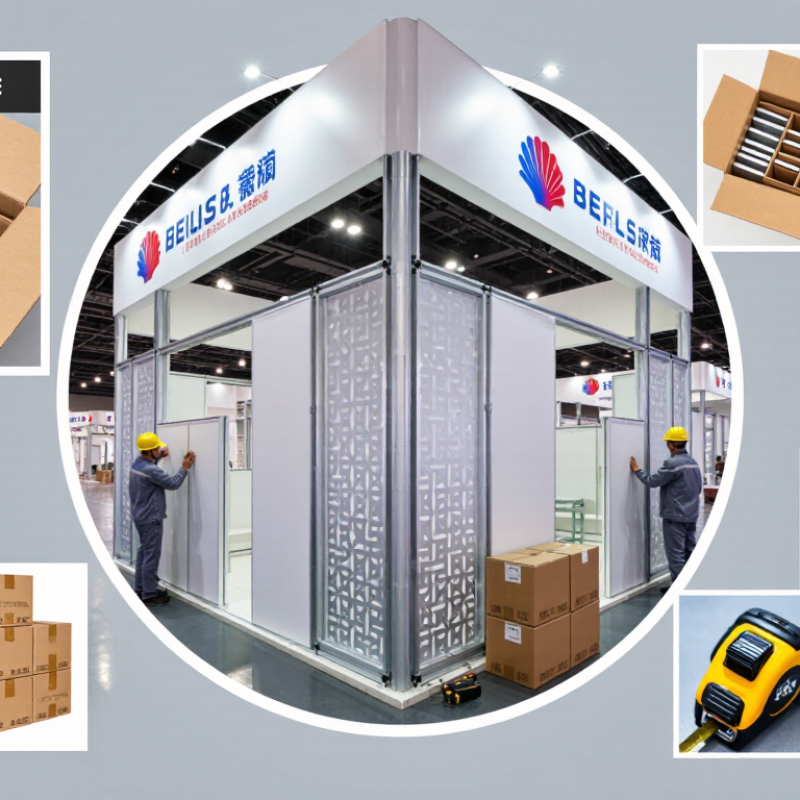
Top Shell Scheme Stand Manufacturers in China

Shell Scheme Stands: Definition and Common Applications

A shell scheme stand is a modular exhibition space built from framed wall panels, usually with a fascia, lighting, and basic electrical access. Exhibitors can add graphics, shelves, product samples, and small screens without constructing a bespoke structure. Setup is relatively straightforward. The system suits shell-shaped, enclosed spaces, but venue specifications vary, so exhibitors should confirm dimensions, load limits, and included services before planning.

UFI’s 2024 Global Exhibition Barometer reported that exhibition revenues in 2023 averaged 98% of 2019 levels across surveyed markets. This signals a strong return of exhibition activity, though it does not measure demand for shell schemes specifically.

Common applications include trade fairs, business conferences, public exhibitions, and regional product showcases. A small equipment supplier might display sample parts on shelves, while a service provider uses wall graphics and a counter for visitor conversations. Modular panels also help organizers divide large halls into consistent booth spaces.

Still, standard layouts can feel plain. That limitation matters. Clear graphics, tidy cable routing, and well-positioned lighting can improve readability without changing the structure. Heavy equipment or large screens may need approved supports, and extra fittings can affect cost and setup time. A shell scheme is practical, not automatically flexible.


China’s Shell Scheme Stand Manufacturing Industry

China’s shell scheme stand manufacturing industry supports exhibition projects with modular frames, infill panels, fascia boards, and reusable accessories. Many workshops coordinate cutting, drilling, surface finishing, and packing. A typical aluminum upright must align cleanly with its connector; even a small mismatch can slow installation. Small details matter. Floor plans, booth dimensions, graphic files, and shipping dates all shape production choices.

Reliable production depends on more than a clean-looking sample. Buyers can check panel edges, connector fit, frame stability, and protective packing before approving a larger order. Clear drawings and written measurements also reduce avoidable rework. Some manufacturers can adapt finishes or accessories, but customization may affect cost and lead time. Ask how tolerances are checked, and request photos or a physical sample when practical.

Modularity is useful, but it is not a cure-all. A reusable system can still feel plain if lighting, graphics, or layout are poorly planned. There is a trade-off between fast assembly and distinctive design. Not every workshop will achieve both equally well, and that deserves honest review. A supplier’s production notes, inspection process, and communication during revisions can reveal as much as the finished stand.

Top Shell Scheme Stand Manufacturers in China – China’s Shell Scheme Stand Manufacturing Industry

Industry overview of common products, materials, and production considerations. This table describes general industry practices; it is not a ranked supplier list, and specifications vary by project and manufacturer.

Industry Dimension Typical Information What Buyers Should Check
Core product Modular exhibition booth systems made from reusable components, commonly including posts, beams, infill panels, and connectors. Confirm system compatibility, component availability, and whether the quotation covers the complete required kit.
Structural materials Aluminum extrusions are commonly used for the frame; infill options can include laminated panels, fabric, or other project-specified materials. Request material specifications, surface-finish details, and panel thickness where relevant.
Common booth format A 3 m × 3 m footprint is a common exhibition-booth format. Other sizes and layouts depend on the venue and event plan. Verify the stand’s dimensions against the organizer’s floor plan, height limits, and build regulations.
Modularity and reuse Standardized frame components can be dismantled and reconfigured for different booth layouts, subject to the system design. Check connection methods, replacement-part availability, packing requirements, and instructions for assembly.
Graphics and branding surfaces Printed panels, applied graphics, and fabric graphics may be specified to suit the chosen frame and display design. Confirm artwork dimensions, file requirements, color expectations, and whether printing is included in the scope.
Lighting and electrical provisions Lighting and electrical accessories may be added, but venue rules and local electrical requirements apply. Clarify included fixtures, power requirements, cable routing, and who is responsible for venue electrical approval.
Customization Projects may combine standard modular parts with custom dimensions, finishes, graphics, counters, or display features. Ask for drawings and a bill of materials, and distinguish custom components from reusable standard parts.
Manufacturing and quality checks Production can involve profile cutting, drilling, finishing, panel preparation, fit checks, and packing inspections. Request quality-control records or inspection criteria for dimensions, finish, component quantities, and packaging.
Shipping and packing Systems are generally shipped as disassembled components; shipment size and handling needs depend on the design and packing method. Confirm packed dimensions and weight, shipping terms, delivery schedule, and whether spare parts are included.
Standards and documentation Requirements may differ by destination, venue, materials, and electrical equipment; no single compliance claim applies to every stand. Identify the applicable event and destination requirements, then request relevant test reports or certificates for the specified components.

How to Evaluate Leading Shell Scheme Stand Manufacturers

Evaluating a shell scheme stand manufacturer starts with evidence, not polished renderings. Ask for dated project photos, floor plans, and a client reference you can verify. Check whether the team has delivered stands of similar size and venue conditions. A neat image can hide weak joints. Request drawings that show panel dimensions, door swings, cable routes, and load limits. Compare each drawing with the written quotation. Small mismatches matter.

Inspect material samples and connection details. Ask how panels are packed, labeled, and protected during transport. On-site, unclear labels can slow installation. Request a production schedule with drawing approval, fabrication, delivery, and setup dates. Experienced teams should explain who checks dimensions and handles changes. Ask how revisions affect cost and timing, in writing. Visit the workshop if practical, or request a brief video showing current production. Not every answer will be perfect. That is useful. A supplier’s willingness to explain a limitation can be more credible than a promise of flawless delivery. Check that past clients can confirm the stated scope, deadlines, and installation support.

Profiles of Notable Shell Scheme Stand Manufacturers in China

Profiles of Notable Shell Scheme Stand Manufacturers in China

Chinese shell scheme manufacturers generally fall into three practical groups. Large workshop-led suppliers produce aluminium frames, wall panels, and counters at scale. Their strength is repeatable fabrication and coordinated shipping. Regional exhibition contractors often provide quicker site support and adapt layouts to local venues. Smaller custom-build teams can solve awkward floor plans, but their capacity may vary during peak seasons.

UFI’s 2024 Global Exhibition Barometer reported that global exhibition revenue in 2023 reached 98% of its 2019 level. This indicates a recovering market, not China-specific demand or a ranking of suppliers. Buyers should compare manufacturers using project photos, material specifications, sample joints, and clear production schedules. Ask who handles installation. Details matter.

A useful profile should also explain how a supplier manages revisions, packing, and replacement parts. Check whether panel edges align cleanly and whether graphics can be changed without rebuilding the frame. Request a small sample before approving a large order. Still, this assessment has limits: polished samples cannot prove consistent quality across every shipment. A factory visit or third-party inspection can reveal more.

Comparing Manufacturers by Design, Production, and Service Capabilities

Top Shell Scheme Stand Manufacturers in China

Comparing manufacturers requires more than reviewing attractive renderings. Design capability shows in practical details: clear sightlines, accessible storage, tidy cable routes, and graphics that fit standard panels. Ask for dimensioned drawings, material specifications, and photos of completed stands. A smooth 3D image is useful, but it cannot confirm how joints look under bright exhibition lighting.

Production capacity matters when schedules are tight. Check whether the manufacturer controls fabrication directly or relies on several subcontractors. Request a sample of the proposed wall finish, and confirm how packing protects corners and printed surfaces. Service quality is visible in response times, installation instructions, and the process for handling damaged parts. Small gaps matter. A capable team should explain limits, not promise that every change is effortless. Even experienced suppliers can overlook a detail; confirm revisions in writing before production starts.

Tips: Compare like with like. Send each manufacturer the same brief, floor plan, deadline, and budget range. Ask who supervises installation and what support is available after delivery. Then compare the clarity of each reply, not only the quoted price.