Top 10 Exhibition Booth Designs for Successful Trade Shows?
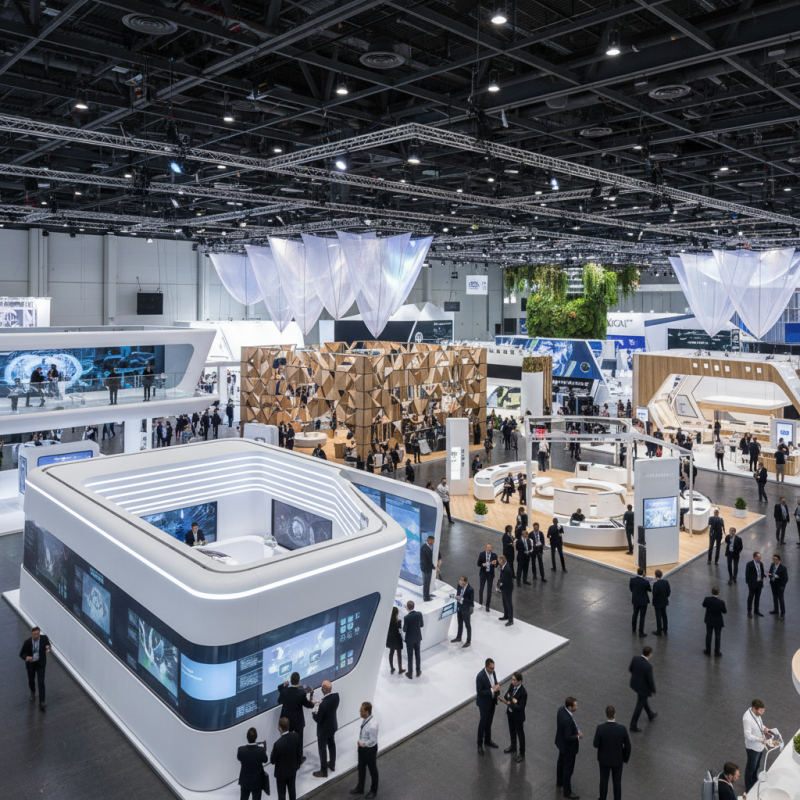
Trade shows are vital for businesses to connect with clients. An effective Exhibition Booth can significantly enhance visibility. With thousands of booths present, standing out requires creativity and strategy.
Great design attracts attention. It should reflect your brand and engage visitors. Interactive elements can create memorable experiences. However, not every idea succeeds. Some designs may overwhelm rather than inform. Balancing aesthetics with functionality is key.
Analyzing successful booth designs reveals valuable insights. They often prioritize visitor flow and comfort. Brands can learn from both triumphs and failures. Ultimately, the right Exhibition Booth design can lead to meaningful connections and increased sales.
Innovative Booth Design Concepts to Attract Trade Show Attendees
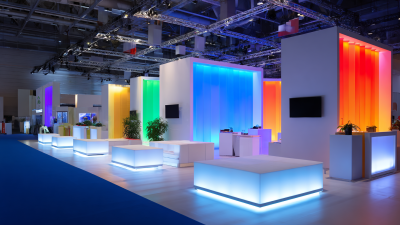
Trade shows offer a platform for businesses to connect and showcase their innovations. An effective booth design can significantly impact visitor engagement. According to recent studies, 83% of trade show attendees believe a booth's design influences their decision to enter. Using attention-grabbing visuals is essential. Bold colors and dynamic displays can create a welcoming atmosphere, encouraging exploration.
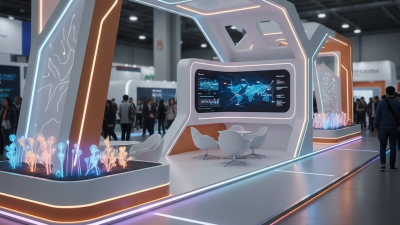
Interactive elements in booths are becoming increasingly popular. Incorporating technology, such as virtual reality experiences or touch-screen information panels, can heighten attendee interest. A survey conducted by the Trade Show News Network revealed that 77% of attendees prefer engaging with booths that offer interactivity. This interaction fosters deeper connections between brands and potential clients.
However, not all designs achieve their intended goals. Some booths might overwhelm visitors with too much information or poorly placed elements. A cluttered space may deter exploration rather than encourage it. Designers should focus on clarity and avoid complexity. Reflection on these aspects is vital for future improvements.
A booth should tell a story, guide attendees through it, and leave them curious for more.
The Role of Branding in Exhibition Booth Design Success
Branding plays a crucial role in the success of exhibition booth designs. Research shows that 77% of consumers make purchasing decisions based on a brand’s reputation. An effective booth represents the brand visually and emotionally, capturing attention within seconds. A well-designed space makes a memorable impression and conveys a message that resonates with the target audience.
Consider the colors, shapes, and materials used. These elements contribute to brand recognition. A study found that consistent branding across platforms can increase revenue by up to 23%. Create a cohesive experience that aligns with your brand identity. Ensure the booth reflects the values and mission of your company. Attention to detail in design choices can set the booth apart.
**Tips:** Use lighting to highlight key areas and draw visitors in. Incorporate interactive elements to engage attendees. Regularly assess the booth’s design for improvements. Reflection on past shows can guide future strategies. Adaptability and creativity are essential for standing out in crowded trade shows.
Top 10 Exhibition Booth Designs for Successful Trade Shows
This chart displays the effectiveness of different exhibition booth designs based on visitor engagement scores gathered from various trade shows.
Key Elements of Functional and Visually Appealing Booth Layouts
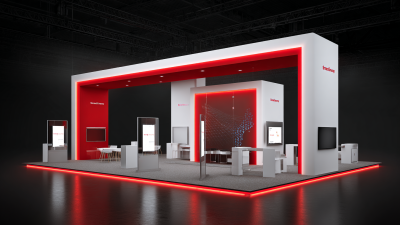
When designing an exhibition booth, functionality and visual appeal are crucial. A well-organized space attracts visitors and invites engagement. Clear signage should identify your brand clearly. Utilize an open layout to encourage foot traffic. This creates a welcoming atmosphere. Consider the flow of visitors as they move through the booth. Use design elements that guide their journey.
Lighting plays an essential role in creating the right mood. Bright, focused lights draw attention to key products or displays. Conversely, softer lighting can create comfortable conversation areas. Colors should reflect your brand while evoking positive emotions. Harmonious color schemes enhance the booth's overall aesthetic. Use high-quality materials to convey professionalism.
However, it is vital not to overcrowd the space. Too much information can overwhelm potential clients. Balance is key in displaying products and branding elements. Gathering feedback post-event can offer insights into what worked, and what did not. Regular refinement of booth design ensures continuous improvement and greater success in future trade shows.
Top 10 Exhibition Booth Designs for Successful Trade Shows
| Design Idea |
Key Element |
Visual Appeal |
Functionality |
| Modular Design |
Customizable Sections |
Modern Aesthetic |
Easy Setup |
| Interactive Displays |
Touch Screens |
Engaging Experience |
Informative Content Delivery |
| Open Concept |
Free Flow of Visitors |
Inviting Atmosphere |
Maximized Space Utilization |
| Lighting Design |
Highlight Products |
Dramatic Effects |
Creates Ambiance |
| Green Elements |
Sustainable Materials |
Eco-friendly Look |
Promotes Brand Values |
| Themed Decor |
Cohesive Branding |
Visually Striking |
Enhanced Storytelling |
| Product Showcase |
Display Portfolios |
Attractive Presentations |
Functional Demos |
| Comfort Zones |
Seating Areas |
Relaxing Spaces |
Encourages Interaction |
| Digital Integration |
QR Codes & Apps |
Tech-Savvy Appeal |
Streamlined Follow-Up |
Utilizing Technology to Enhance Audience Engagement at Trade Shows
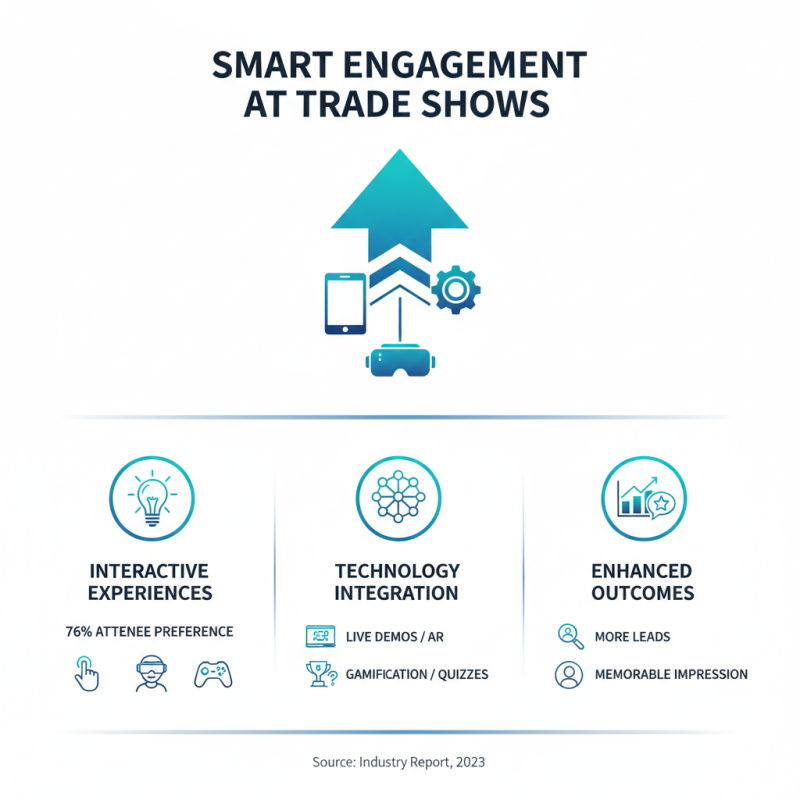
Trade shows offer a unique platform for businesses to showcase their products and engage with potential clients. Utilizing technology can significantly enhance audience engagement at such events. According to a recent industry report, 76% of trade show attendees prefer interactive experiences over traditional presentations. This statistic underscores the importance of integrating technology into booth designs.
Interactive displays, VR experiences, and gamification are effective tools to captivate visitors. For instance, incorporating touch-screen displays allows attendees to access information quickly, making their experience more memorable. Data reveals that booths with interactive elements see a 50% higher engagement rate.
**Tip:** Consider implementing a live demo area where visitors can interact directly with your product. This bridges the gap between audience curiosity and your offerings effectively.
Visual elements such as LED walls, augmented reality, and 3D models can also draw attention. However, it's crucial to ensure that these technologies serve a clear purpose. Misplaced tech can overwhelm or confuse. Balancing innovation with clarity is essential for a successful engagement strategy.
**Tip:** Test your technology before the event. Unforeseen issues can detract from the entire experience, so ensure everything functions seamlessly. Embrace creativity but remain focused on the audience's experience, which ultimately leads to the best outcomes at trade shows.
Case Studies of Award-Winning Exhibition Booth Designs
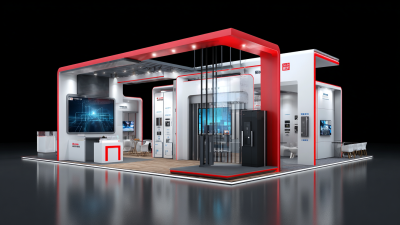
In recent trade shows, exceptional booth designs have drawn significant attention. One standout project featured immersive technology, creating an engaging environment. Visitors were guided through a virtual experience that highlighted product features. This design effectively merged aesthetics with functionality, encouraging interaction.
Another compelling case focused on sustainability. The booth utilized recycled materials and eco-friendly lighting. It showcased products with minimal environmental impact. While the concept was innovative, challenges arose in ensuring structural integrity. Such designs require careful planning, but they also highlight a growing trend in the industry.
A third example combined vibrant colors with unique shapes. This approach attracted passerby attention, fostering curiosity. However, some elements lacked clear messaging. It's essential to balance artistic flair with clear communication. These award-winning designs exemplify the evolving landscape of exhibition booths, often blending creativity with strategic messaging.

 Contact Us