2026 Best Standard Exhibition Booth Design Ideas for Buyers?
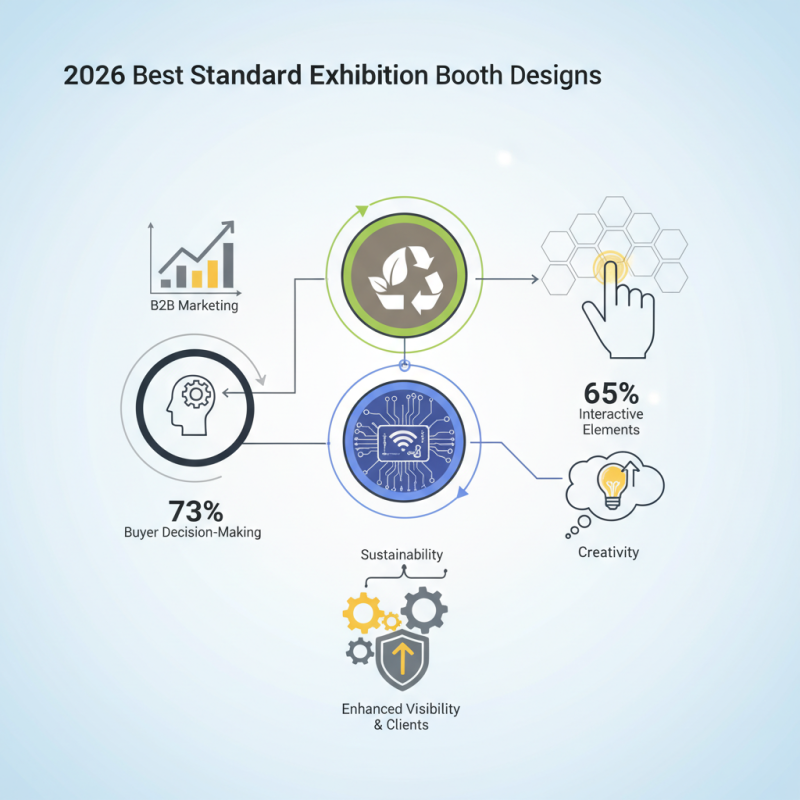
Exhibitions play a crucial role in B2B marketing, with approximately 73% of buyers considering them a valuable source for decision-making (Exhibition Industry Association, 2022). Creating a remarkable Standard Exhibition Booth can significantly influence visitor engagement and brand perception. However, many companies still struggle to design booths that stand out in a crowded marketplace.
In 2026, the trends in booth design are expected to evolve dramatically, focusing on sustainability and technology integration. Data from recent reports indicate that 65% of buyers prefer interactive elements in booth designs, underlining the importance of an engaging experience (Event Marketing Institute, 2023). Still, despite these insights, some brands fail to innovate, reflecting a need for deeper reflection on their exhibition strategies.
Investing in a well-thought-out Standard Exhibition Booth can enhance visibility and attract potential clients. Yet, it is essential to critique current practices and adapt to new demands. Brands must embrace creativity and seek inspiration from successful case studies while recognizing their weaknesses. This ongoing evolution will ultimately define the effectiveness of their exhibition presence.
Top Trends in Exhibition Booth Design for 2026
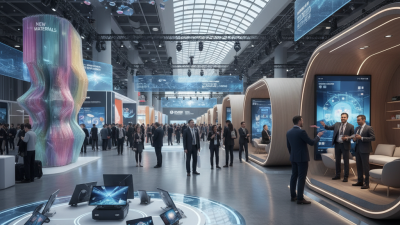
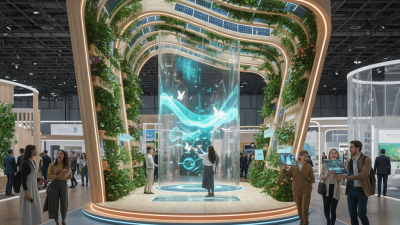
The exhibition booth design landscape for 2026 is evolving rapidly. New trends emphasize sustainability and interactivity. Designers are integrating natural materials with technology. This blend creates immersive experiences. Visitors are drawn to booths that tell a story. Vibrant colors and unique shapes also catch the eye. A modular approach allows for flexibility and adapts to different spaces.
Personalization will play a key role in booth design. Brands can connect with audiences through tailored experiences. Technology enables real-time customization. However, achieving the perfect balance can be challenging. Some booths may feel over-engineered. Simplicity often speaks volumes.
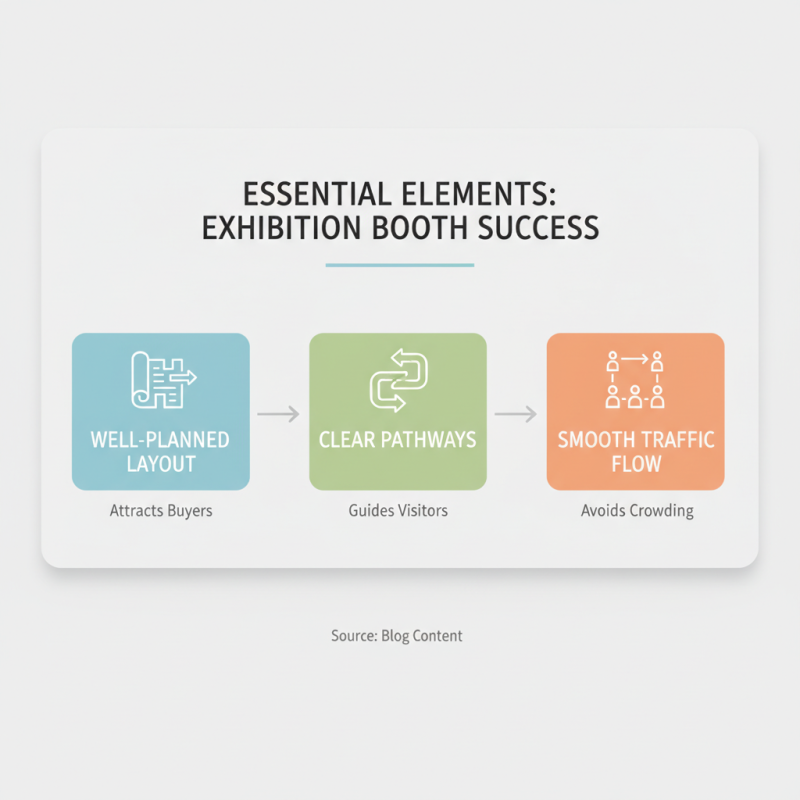
Another notable trend is the use of digital elements. Interactive screens can engage viewers effectively. However, they need to complement the physical space. Overloading a booth with tech can overwhelm visitors. Each element should enhance the overall atmosphere. Designing with intention is crucial in 2026. Intuitive layouts can guide traffic flow, improving interactions. Attention to detail matters, as small flaws can impact perceptions. Focusing on core themes can create a lasting impression.
Innovative Materials and Technologies for Booth Construction
In recent years, the exhibition industry has seen a significant shift toward
innovative materials and technologies for
booth construction. According to a recent report by the Exhibition Industry Association,
approximately 70% of exhibitors are now
prioritizing sustainable materials. This trend reflects growing environmental awareness
among both businesses and consumers. Many exhibitors are using recycled metals and eco-friendly fabrics that not only look
appealing but also minimize ecological impact.
Technology plays a crucial role in the modern booth design.
Interactive displays
and augmented reality experiences
are becoming standard. Reports indicate a 50%
increase in visitor engagement when technology is integrated into the booth.
However, many businesses struggle to effectively blend aesthetics with innovation. It
can be a challenge to strike the right balance between eye-catching design and
functionality, leading to booth setups that may not fully engage the audience.
Another important factor is lighting design,
which can transform a space. Many exhibitors overlook the impact of proper lighting. A
study revealed that effective lighting can increase booth traffic by up to 30%. Yet, some designs fail to
consider lighting depth. This oversight can diminish the overall impact of the
exhibition experience. The need for continuous iteration and feedback in booth design
is more critical than ever.
Designing for Engagement: Creating Interactive Booth Experiences
Engaging visitors at an exhibition booth is crucial. Interactive experiences can transform passive attendees into active participants. Incorporating touchscreens or augmented reality can create memorable interactions. For instance, providing virtual tours of your services can spark curiosity. Attendees are more likely to remember and return to unique experiences.
Another idea is to include live demonstrations. Showing products in action captures attention. Ensure your booth has visible areas for interaction. People enjoy watching others engage, which can draw them closer. This strategy has resulted in increased foot traffic in past exhibitions. Remember, though, not all demonstrations go smoothly. It’s essential to prepare for potential technical glitches.
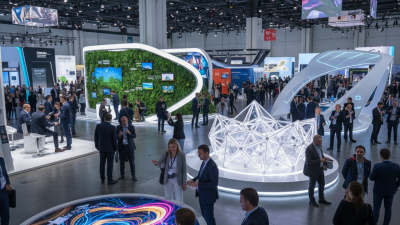
Consider the layout carefully. Open spaces encourage movement, while cozy corners can foster intimate discussions. However, overcrowding can be distracting. Monitor the flow of people. Too many elements can confuse visitors. Design should balance chaos and calm. Ultimately, every decision shapes the experience, making it memorable or forgettable. Reflect on each event to enhance future designs.
Sustainable Practices in Exhibition Booth Design for Buyers
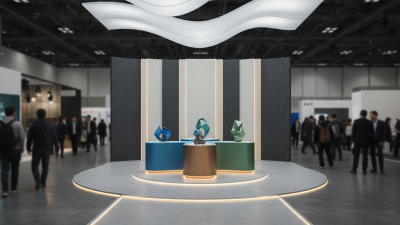
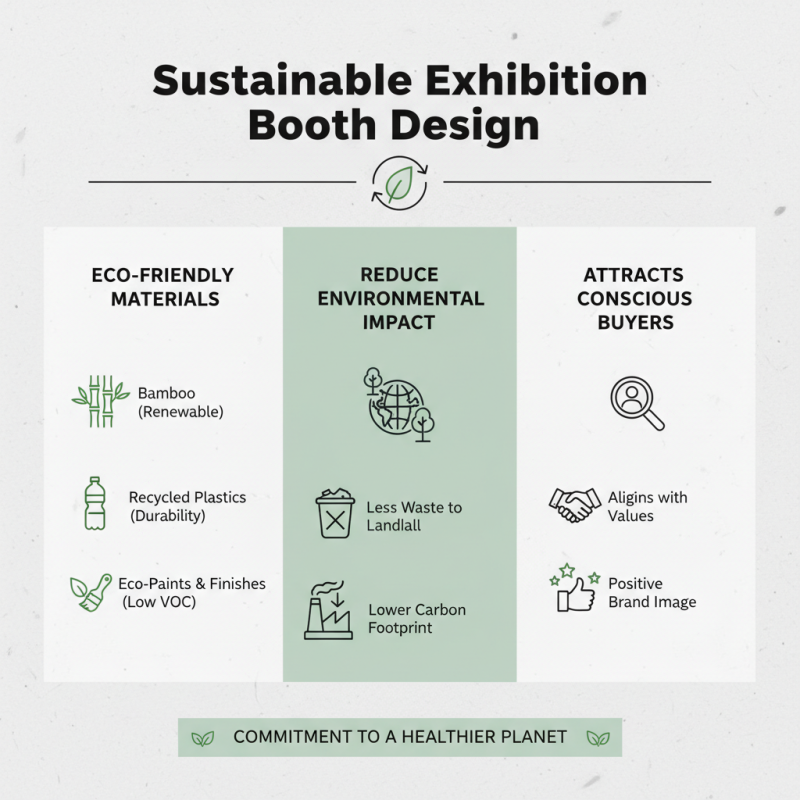
Sustainable practices in exhibition booth design are becoming essential for modern buyers. Sustainable materials like bamboo, recycled plastics, and eco-friendly paints can reduce environmental impact. These choices reflect a commitment to the planet, attracting environmentally conscious visitors.
Incorporating technology also enhances sustainability. LED lighting saves energy and creates eye-catching displays. However, over-reliance on digital solutions may detract from organic connection. Balancing technology with tactile elements is crucial. Buyers should reflect on how their booths balance innovation and eco-responsibility.
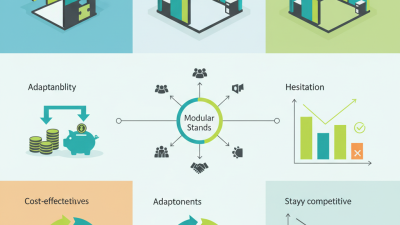
Moreover, modular designs promote reuse. Instead of single-use setups, buyers can invest in versatile elements. This strategy minimizes waste and saves costs in the long run. However, creating a memorable experience remains challenging. Striving for a unique identity while adhering to sustainable practices is an ongoing journey for many companies.

 Contact Us