How to Choose the Best Exhibition Design Stand
Choosing the right Exhibition Design Stand begins with business evidence, not attractive sketches. UFI’s Global Exhibition Barometer consistently shows a recovering exhibition sector, with organisers reporting stronger revenues and renewed exhibitor confidence. CEIR research also confirms that face-to-face exhibitions remain important for generating leads, building relationships, and supporting purchase decisions. These findings change the question. The best stand is not the largest one. It is the clearest commercial tool.
Kai Hattendorf, former UFI Managing Director and CEO, has described exhibitions as “marketplaces where business gets done.” That view keeps design practical. A visitor should understand your offer within seconds, even while walking past a noisy aisle. Strong sightlines, readable messaging, useful meeting space, and discreet storage matter more than decorative excess. Lighting should reveal products, not blind visitors. Staff should have room to welcome people without blocking the entrance.
Small details become measurable experiences. A product sample within reach can start a conversation. A quiet table can protect a serious sales discussion. An accessible route can show genuine professionalism. Yet design decisions are rarely perfect. A dramatic hanging sign may improve visibility but weaken intimacy. A large screen may attract crowds but create little engagement. We should question both choices. The strongest Exhibition Design Stand balances brand personality, visitor comfort, measurable objectives, and responsible resource use. UFI, CEIR, and Freeman reports offer useful benchmarks, but direct visitor feedback remains essential. Data guides the plan. Real people expose its weaknesses.
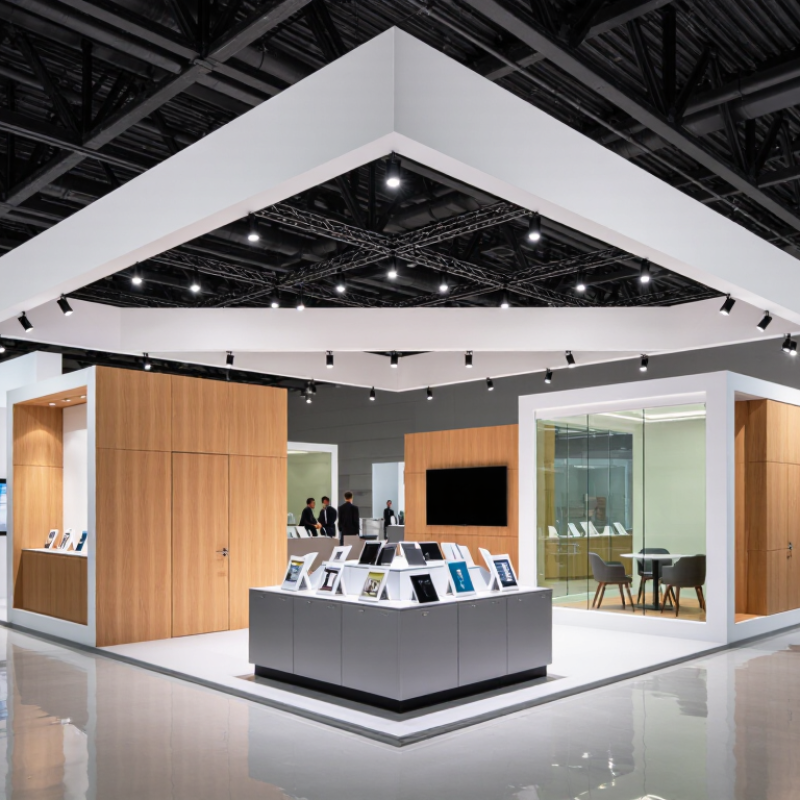
Define Exhibition Goals, Audience, and Success Measures
How to Choose the Best Exhibition Design Stand
Define Exhibition Goals, Audience, and Success Measures
A successful exhibition stand begins with a clear purpose, not an attractive layout. Decide whether you need qualified leads, product demonstrations, partnerships, or stronger brand awareness. Each goal demands different space, staffing, and visitor flow. A demonstration area needs clear sightlines and stable equipment. A lead-generation stand needs private conversation points and an easy data process.
Define your audience before choosing colors or furniture. Technical visitors may value detailed specifications, while senior buyers often prefer concise commercial benefits. Use visitor interviews, previous event data, and sales-team feedback to guide decisions. Set measurable targets, such as 80 qualified conversations or 20 scheduled follow-up meetings. Avoid vague goals. “More attention” is difficult to measure.
Tips: Map the visitor journey from aisle to exit. Place one strong message at eye level. Keep forms short. Train staff with realistic questions. Test the layout with a colleague before the event. Review what failed, too.
Reliable measurement should continue during the exhibition. Record conversations, demo attendance, scanned contacts, and recurring questions. Some visitors may avoid formal scans, so staff notes can add useful context. Protect personal information and follow applicable event requirements. A visually impressive stand can underperform if visitors feel crowded or confused. That happens more often than teams expect. Review the evidence, then adjust the design for the next event.
Compare Layouts, Materials, Branding, and Visitor Experience
How to Choose the Best Exhibition Design Stand
A strong exhibition stand begins with a layout that matches visitor movement. Open corners invite people inside, while clear pathways prevent crowding. Place demonstrations where they can be seen from the aisle. Keep private meeting areas slightly deeper inside. I have found that a beautiful plan can fail when staff block the entrance. Measure walking space with real furniture, not only software.
Materials should support the message and survive several busy days. Lightweight panels reduce transport effort, while textured surfaces add warmth under bright lighting. Choose durable flooring, especially near entrances where dirt gathers quickly. Materials also affect sound. Soft wall finishes can reduce the harsh noise of a crowded hall. Do not select finishes from a screen alone. Samples often look different under exhibition lighting.
Branding needs discipline. Use one strong message at eye level, supported by readable graphics and consistent colours. Visitors usually decide within seconds whether a stand feels relevant. Avoid covering every surface with text. A useful test is simple: can a visitor explain the offer after a short glance? Visitor experience includes seating, charging points, storage, and staff behaviour. I once focused too heavily on visual impact and overlooked queue comfort. That mistake changed my design checks. Walk the stand as a first-time visitor, then ask an independent colleague to challenge your assumptions.
Review Proposals, Confirm Details, and Measure Final Results
How to Choose the Best Exhibition Design Stand
Reviewing proposals should involve more than comparing attractive renderings. Ask each exhibition designer to show how the layout supports visitor movement, product demonstrations, storage, lighting, and staff conversations. In my project reviews, vague floor plans often hide expensive changes later. Request a scaled drawing, material specifications, installation schedule, and a clear cost breakdown. CEIR research reports that 81% of exhibition attendees influence buying decisions. Your stand must therefore help qualified visitors act, not only stop and look.
Confirm every operational detail before production begins. Check height limits, electrical loads, fire requirements, access times, flooring, furniture, graphics, and dismantling responsibilities. Ask who approves artwork and who handles on-site problems. Small omissions become visible quickly. UFI’s Global Exhibition Barometer has reported stronger exhibition activity returning across many markets, increasing pressure on exhibitors to deliver reliable experiences. A beautiful concept can still fail when a power socket is misplaced or storage is too small.
Measure results with agreed targets. Track qualified conversations, demonstrations, meeting attendance, leads, follow-up rates, and cost per contact. Use a simple visitor question at the exit: “What will you remember?” Compare results with previous events and record staff observations. Do not count every scan as success. That metric is convenient, but often weak. Review the proposal again after the event. The uncomfortable findings usually improve the next stand.
How to Choose the Best Exhibition Design Stand - Review Proposals, Confirm Details, and Measure Final Results
| Design Proposal |
Proposal Review |
Confirmed Details |
Final Results |
Review Score
(100) |
Stand Area
(m²) |
Estimated Budget
(USD) |
Accessibility Score
(100) |
Build Time
(Days) |
Reusable Elements
(%) |
Lead Capture
Coverage (%) |
Visitor Engagement
(%) |
Qualified Leads |
Client Meetings |
Cost per Qualified Lead
(USD) |
| Proposal A |
82 |
36 |
$24,800 |
88 |
2 |
65% |
94% |
31% |
64 |
18 |
$388 |
| Proposal B |
89 |
48 |
$31,600 |
93 |
3 |
78% |
97% |
38% |
91 |
27 |
$347 |
| Proposal C |
86 |
42 |
$28,900 |
91 |
2 |
72% |
95% |
35% |
78 |
23 |
$371 |
| Proposal D |
92 |
50 |
$35,400 |
96 |
4 |
84% |
98% |
43% |
109 |
34 |
$325 |
|
Evaluation basis: proposal review score combines visitor flow, visibility, functionality, accessibility, sustainability, storage, and budget control. Final performance is measured using captured engagement data, qualified leads, meetings, and cost per qualified lead after the exhibition.
|

 Contact Us