Choosing the right stand can shape how visitors experience your brand before anyone speaks.
In Top 10 Types of Exhibition Displays for Trade Shows, we examine practical formats used across modern events. These include pop-up banners, modular stands, tension-fabric displays, hanging signs, counters, island exhibits, and custom-built booths. Each option creates a different balance between visibility, transport, setup time, and visitor interaction. A lightweight fabric wall may suit a small team with limited storage. A large island stand may support demonstrations, meetings, and product testing.
Steve Miller, author of How to Get the Most Out of Trade Shows, states, “The goal of exhibiting is not to be seen, but to be remembered.” That principle still matters. Bright graphics alone rarely create meaningful engagement. Clear messaging, reachable staff, useful demonstrations, and an easy conversation path usually perform better.
This guide approaches Exhibition Displays from an experience-led and practical perspective. It considers real floor conditions, including crowded aisles, uneven lighting, restricted setup windows, and limited booth space. It also highlights measurable concerns, such as lead quality, visitor flow, durability, and reuse across multiple events.
Not every display earns its floor space.
A polished booth can still fail when the headline is vague or the counter blocks access. That uncomfortable detail deserves attention. Display selection is not only a design decision; it is an operational one. The strongest choice depends on your audience, objectives, budget, venue rules, and team capacity. There is no universal winner.
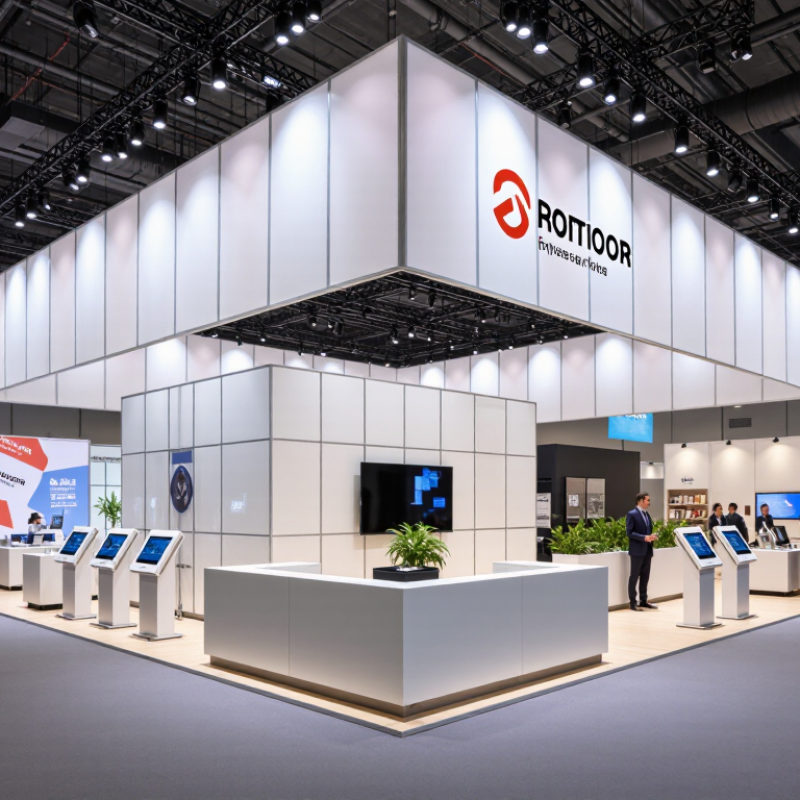
Portable display systems give trade show teams flexible ways to refresh their booth branding without rebuilding the entire space.
The ten most useful types include pop-up walls, fabric tension frames, modular panels, tabletop displays, banner stands, backlit walls, hanging signs, display counters, outdoor shelters, and literature racks. Each option serves a different purpose.
A fabric tension frame can create a clean 10-by-10-foot backdrop, while a tabletop display suits smaller spaces. Pop-up walls usually open quickly, often within ten minutes, and pack into a wheeled case.
Banner stands need little floor space. Backlit displays improve visibility in crowded halls, especially under uneven lighting. A counter adds storage and gives staff a natural place to speak with visitors.
Details matter.
Check the frame joints, graphic seams, case wheels, and electrical connections before leaving for the show. Always confirm venue height limits and fire-safety requirements. A lightweight system is easier to transport, but it may feel less stable in busy aisles. That trade-off deserves attention.
Compact is not always better.
Clear messaging also improves portable branding. Use one strong headline, readable text, and consistent colors across the wall, counter, and handouts.
Leave enough empty space around the main message. I have found that crowded graphics often look acceptable on a laptop but become difficult to read from three meters away.
A short test at full size can reveal that mistake.
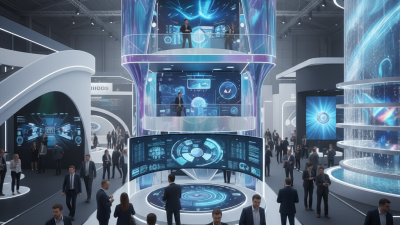
Modular exhibition structures are among the most adaptable choices for custom trade show booths. They can combine aluminum frames, fabric graphics, counters, shelving, lighting, and storage. This flexibility supports several display types within one footprint. Options include modular backwalls, meeting pods, hanging signs, product towers, and demonstration counters.
CEIR reports that 81% of business-to-business exhibition attendees influence purchasing decisions. That figure makes clear booth planning cannot rely on appearance alone. A modular layout can guide visitors from a bold entrance graphic toward a live product demonstration. It can also create a quieter conversation area behind a partial wall. Practical details matter. Cable management, stable flooring, and reachable storage prevent small problems during busy hours. Freeman’s research on in-person experiences also shows that attendees value meaningful human interaction, not passive visual displays.
Designers should measure traffic patterns before selecting each structure. A large hanging sign may improve visibility, but it can reduce openness. A reusable frame may lower future costs, yet its repeated graphics can feel predictable. That trade-off deserves honest review. UFI’s Global Exhibition Barometer continues to identify exhibitions as a major channel for business engagement and lead generation. Therefore, modular systems should support measurable actions, such as badge scans, scheduled meetings, or product trials. They are not automatically effective. Poor lighting, crowded furniture, or unclear messaging can weaken even a carefully engineered custom booth.
Large-format displays turn an ordinary booth into a visible landmark. At crowded trade shows, height and contrast help visitors find you before they read your message. In my experience, a well-planned back wall often works harder than several small signs. A wide graphic can show one strong image, a short promise, and clear directions. That restraint matters. Too much copy disappears under busy hall lighting.
Choose artwork according to viewing distance, not only screen size. Visitors standing across an aisle need larger lettering and stronger color separation. Matte surfaces can reduce reflections from overhead fixtures. High-resolution files also protect image quality when graphics are enlarged. Ask a production specialist to check scaling, color profiles, seams, and edge finishing before printing. Small technical errors become obvious on a twelve-foot wall.
Plan the structure carefully. A stable frame, weighted base, and safe cable routing support a professional presentation. Confirm venue height limits, access rules, and installation requirements early. I have seen impressive displays fail because delivery doors were too narrow. That mistake is avoidable. Still, visual impact should not become visual noise. Test the design from several distances, then remove anything that competes with the main message. Even experienced teams miss this step when deadlines become tight.
Large-format displays can create stronger visual presence by increasing the amount of branded or informational space visible from a distance. The chart compares representative display areas based on common trade-show configurations.
Display areas are calculated from representative standard dimensions. Actual sizes vary by venue rules, booth footprint, supplier specifications, and local trade-show regulations.
Interactive and Specialty Displays for Audience Engagement
At a busy trade show, a static wall often disappears behind louder exhibits. In my event planning experience, visitors stop when a display gives them a clear action. Touch tables can reveal product layers, while motion sensors trigger short demonstrations. Keep each interaction under two minutes. Long queues discourage curiosity. A prompt like “Compare the options” works better than vague instructions. It also helps staff begin useful conversations.
Specialty formats create different forms of attention. A transparent screen can show content without blocking the product. A small projection tunnel can turn technical data into a visual journey. Modular light boxes, tactile samples, and rotating displays support different learning preferences. I have seen teams overuse sound, though. Noise attracts people briefly, then exhausts them. Captions, adjustable brightness, and wheelchair-level controls make engagement more inclusive. Test every feature with real users, not only internal staff.
Reliable measurement should go beyond visitor counts. Track completed interactions, dwell time, questions asked, and qualified follow-ups. Store only necessary contact details, with clear permission. Check cables, touch surfaces, and backup content before doors open. Something will fail. During one setup, a sensor missed smaller movements and ignored several visitors. We changed the trigger area and added a manual button. The lesson was uncomfortable but useful: novelty cannot replace usability. A polished display still needs a human nearby, ready to listen.
Your display should serve a measurable trade show goal. Lead generation, product education, recruitment, and sales conversations require different spaces.
A pop-up display or fabric backwall suits a small footprint and quick setup. Tabletop displays work well for focused demonstrations. Modular systems offer reusable layouts, while custom booths create stronger product storytelling. Island exhibits support meetings on several sides. Hanging signs improve visibility across crowded halls. Counters, kiosks, lightboxes, and hybrid digital displays can guide visitors toward specific actions. Each format has a job.
Start with visitor behavior, not appearance.
A product demonstration needs open sightlines and stable lighting.
Private discussions need enclosed meeting areas and acoustic control.
A lead campaign needs visible calls to action and simple scanning points. Freeman’s 2024 Trends Report found that 74% of surveyed attendees value in-person experiences for building trust. Trust, however, is not created by technology alone.
I have seen attractive booths underperform because staff lacked a clear conversation plan. That weakness is easy to overlook.
Test the visitor journey before ordering. Count walking distance, queue time, and usable meeting seats. A smaller, better-planned display may outperform a larger one.
Mistakes happen, especially when teams judge success by appearance alone.