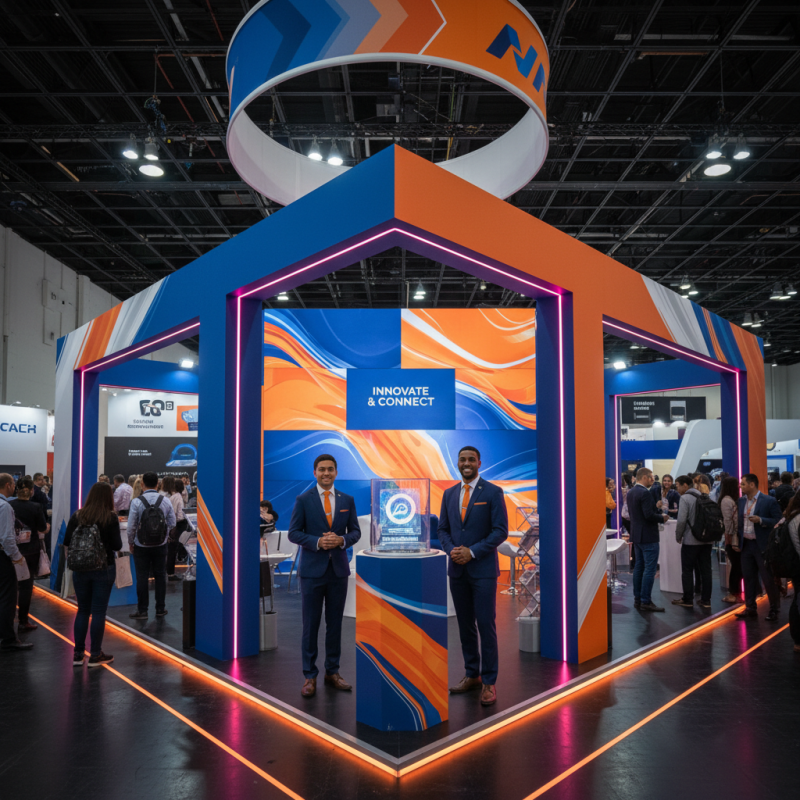
Essential Tips for Designing Effective Exhibition Booths?
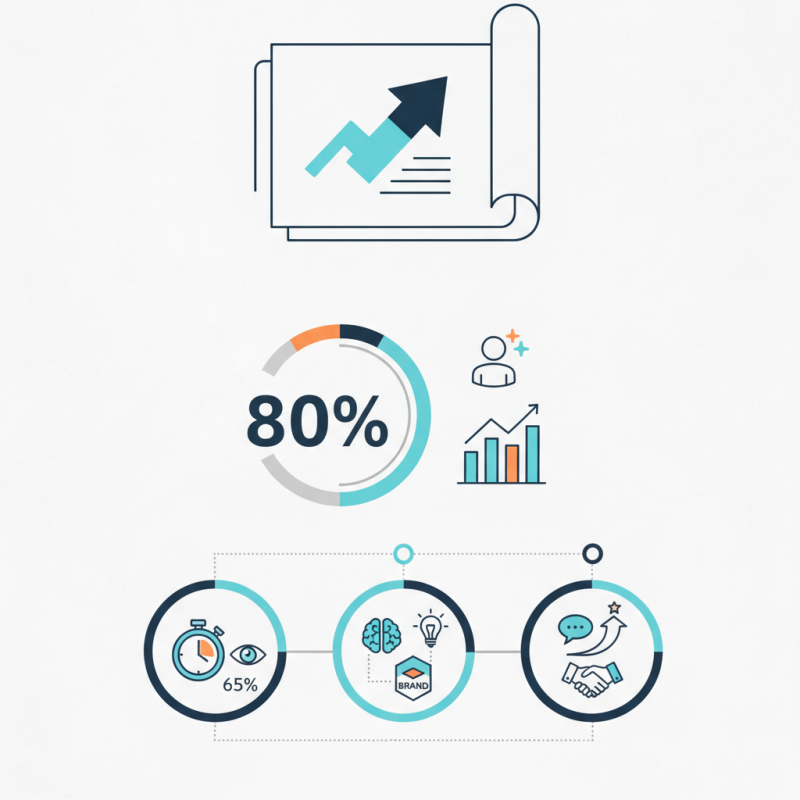
Exhibition Booths are crucial to the success of trade shows and events. According to a survey by Statista, around 80% of exhibitors believe that a well-designed booth attracts more visitors. The layout and aesthetics of these booths can significantly influence brand perception. Companies investing in impactful designs tend to report higher engagement rates.
However, not all Exhibition Booths hit the mark. Many designs fail to communicate the brand message effectively. A report from the Exhibitor Media Group found that 65% of attendees form their initial impression within just a few seconds. Therefore, the first impression is vital for success. Simplicity and clarity are the keys. Overly complex displays can confuse potential clients.
Creating memorable Exhibition Booths requires creativity and strategic planning. Balancing visual appeal with information can be a challenge. Companies must reflect on what works and what does not. Regularly reviewing past exhibitions can help identify areas for improvement. Ultimately, the goal is to create an environment that invites conversation and builds connections.
Tips for Understanding Your Target Audience in Booth Design
Understanding your target audience is crucial in booth design. Knowing their preferences helps create an engaging experience. Identify who they are. What do they like? What attracts their attention? This insight shapes your booth's look and feel.
Tips: Start with surveys or interviews. Ask potential visitors about their interests. Use social media to gauge trending topics. Adapt your design based on this information. Bright colors and interactive displays may appeal to younger audiences. A more subdued, professional look might attract corporate clients.
This approach can lead to mistakes too. Focusing too much on one demographic might alienate others. You might ignore parts of your audience. Balance is key. Look at the space and decide how to cater to diverse groups.
Consider functionality and comfort for all visitors. User experience should be top of mind.
Tips: Create a versatile booth layout. Offer different areas for various interests. Include seating for discussions or relaxation. Ensure all elements reflect the audience's values and needs. Avoid clutter. A clean design speaks volumes.
Key Elements of Visual Appeal: Colors, Graphics, and Layout
Designing an effective exhibition booth is crucial. Visual appeal can make or break your presence. Colors play a significant role in attracting attendees. According to a study by the Institute for Color Research, people make judgments about products within 90 seconds. A large part of this judgment is influenced by color. Bold and contrasting colors can grab attention. However, poor color choices might confuse or alienate potential visitors.
Graphics are equally important. High-quality visuals draw people in, while low-resolution images can deter them. A report from EventTrack revealed that 67% of attendees think graphics are critical for capturing their interest. Graphics should communicate your message quickly. They must be clear and relevant. Inadequate graphics can lead to missed opportunities.
Layout facilitates flow and engagement. An open booth allows for easy movement. It invites exploration and intimacy. Conversely, cluttered spaces may create barriers. A survey showed that 75% of exhibitors believe layout impacts attendee engagement. It’s vital to think about the layout carefully. Prioritize pathways and open spaces. Your design should encourage visitors to linger, yet too much information can overwhelm them. Balancing attractive design with functionality is a constant challenge.
Utilizing Technology: Interactive Displays and Digital Engagement
In today's exhibition landscape, utilizing technology is vital. Interactive displays capture attention effectively. Consider touch screens with engaging content. Visitors appreciate hands-on experiences. They tend to linger longer at booths offering this interactivity. Simple quizzes or games can also foster participation.
Digital engagement is not just about tech. It's about creating memorable moments. Virtual reality can transport visitors to another world. They may walk through immersive environments related to your brand theme. However, it can be overwhelming. Ensure tech enhances, not distracts, from key messages. Clear instructions are essential.
Reflect on implementation as well. Not all visitors may be tech-savvy. A complicated setup might deter some. Balance innovation with accessibility. Analyze feedback after the event. What worked? What didn’t? Continuous improvement is key for future exhibitions. Engaging displays should always evolve.
Essential Tips for Designing Effective Exhibition Booths - Utilizing Technology: Interactive Displays and Digital Engagement
| Tip |
Description |
Technology Used |
Benefits |
| Interactive Touch Screens |
Allow visitors to explore content and engage with your brand. |
Touch Screen Technology |
Increases visitor engagement and information retention. |
| Augmented Reality |
Enhances the experience by overlaying digital information on real-world objects. |
AR Applications |
Creates memorable and interactive experiences for attendees. |
| QR Codes |
Provide quick access to digital materials or special offers. |
Mobile Scanning Technology |
Facilitates easy information sharing and lead generation. |
| Live Polling |
Encourages audience participation through immediate feedback. |
Polling Software |
Increases interaction and gathers valuable insights. |
| Virtual Reality |
Immerses attendees in a virtual environment related to your product. |
VR Headsets |
Offers a unique experience that can enhance brand recall. |
Effective Space Utilization: Maximizing Booth Layout for Traffic Flow
Creating an engaging exhibition booth requires thoughtful layout. Effective space utilization plays a crucial role in enhancing traffic flow. When designing, consider how visitors will move through your space. Open pathways encourage exploration. Too many obstacles can deter traffic, leaving potential leads unengaged.
One tip is to place larger items towards the back of the booth. This draws visitors in while maintaining a clear line of sight. Use bold colors or lighting to guide attention. Avoid clutter; empty spaces can feel inviting. Sometimes, less is more.
Another aspect is defining areas within the booth. Create zones for interaction and relaxation. A seating area can spark conversations. Yet, if too crowded, it may feel uninviting. Always reflect on the booth’s experience. Does it encourage movement? Review layout options regularly and seek feedback. Effective designs evolve and improve over time.
Booth Traffic Flow Analysis
Measuring Success: Key Performance Indicators for Exhibition Booths
Measuring the success of exhibition booths is vital. Key performance indicators (KPIs) offer insights into booth effectiveness. A study found that 92% of exhibitors believe booth engagement drives results. However, many do not accurately measure this engagement. This is a missed opportunity.
Visitor interactions are crucial. Tracking foot traffic is one method. A report indicated that booths with interactive displays saw a 30% increase in visitor engagement. Yet, not all booths leverage technology effectively. Some rely on traditional displays, which might yield lower engagement rates. This is an area for improvement.
Another important KPI is lead generation. According to industry data, 46% of attendees are decision-makers. Exhibitors should focus on converting visitors to leads. But many booths lack effective follow-up systems. This disconnect can lead to lost opportunities. Exhibitors must refine their approach to ensure every interaction counts.

 Contact Us