Essential Tips for Designing a Modular Exhibition Stall
Designing a Modular Exhibition Stall can be a rewarding yet challenging endeavor. The flexibility of modular design offers numerous advantages. You can create unique displays tailored to different events. A well-planned stall catches the audience’s attention and communicates your brand effectively.
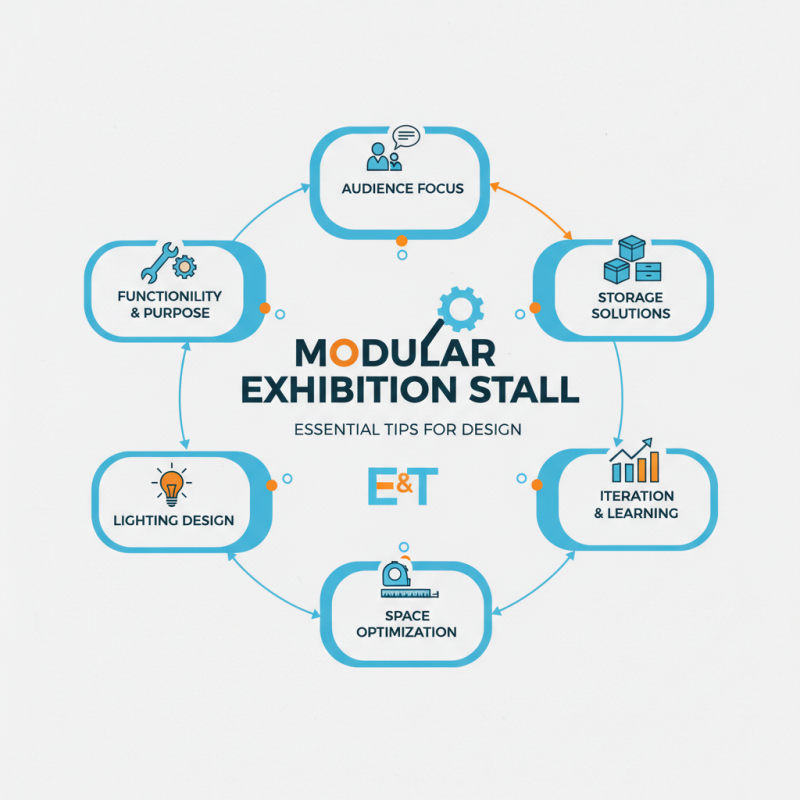
However, many designers overlook crucial details. They may focus on aesthetics while forgetting functionality. Each module should serve a purpose and enhance user experience. Storage solutions are often neglected but are essential for a practical design. Additionally, lighting can transform the stall’s atmosphere, making it inviting or overwhelming.
Mistakes can happen during the design process. Perhaps you misjudge the audience’s needs or the space's limitations. Reflecting on past projects can guide you to make better decisions next time. Ultimately, a thoughtful approach to your Modular Exhibition Stall will lead to a more successful presentation and engagement with potential customers.
Understanding the Concept of Modular Exhibition Stalls
Modular exhibition stalls offer flexibility and creativity in design. These stalls are composed of interchangeable components. This allows exhibitors to create unique layouts. The modular approach can adapt to different spaces and events easily. Each component can serve multiple purposes, making it cost-effective.
Understanding the concept is crucial. Designers must think about how elements fit together. They often struggle with balancing aesthetics and functionality. Lighting, display areas, and seating must complement each other. It's not always easy to achieve this balance. Experimentation might yield unexpected results, requiring time for adjustments.
Exhibitors need to consider how visitors interact with the space. What catches their attention? What draws them in? Using distinct colors or textures can enhance appeal. Yet, over-complicating a design can overwhelm guests. Simplicity often wins. Reflecting on past experiences helps improve future designs. Embrace feedback and learn from it.
Choosing the Right Materials for Durability and Aesthetics
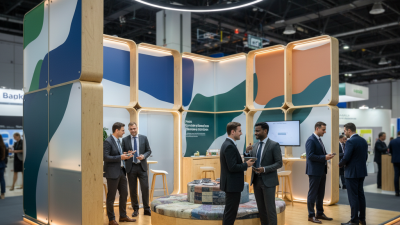
Choosing the right materials for a modular exhibition stall is crucial for both durability and aesthetics. A solid foundation starts with high-quality materials. Wood, metal, and fabric are common choices. Each brings a unique look and feel. Wood can add warmth, while metal offers a sleek, modern touch. Fabric is lightweight and can be easily printed with vibrant graphics.
When considering materials, reflect on the stall's purpose. Will it face heavy foot traffic? Choose sturdy materials that can withstand wear and tear. If the goal is to create an inviting space, go for softer, more appealing options. Remember, the right mix can create a striking visual impact.
Tips: Use composite materials. They combine strength with lightweight properties. Consider eco-friendly options. They appeal to sustainability-minded visitors. Lastly, don’t neglect the finish. A well-finished surface catches the eye. Watch for flaws, as they can detract from overall appeal. A small imperfection might cause a visitor to look elsewhere.
Material Durability and Aesthetics in Modular Exhibition Stall Design
Integrating Technology into Modular Exhibition Stalls
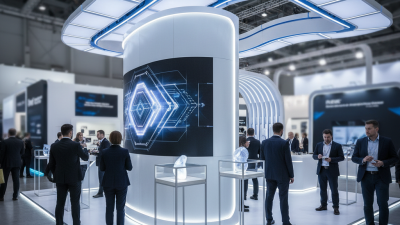
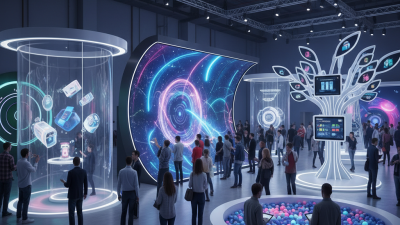
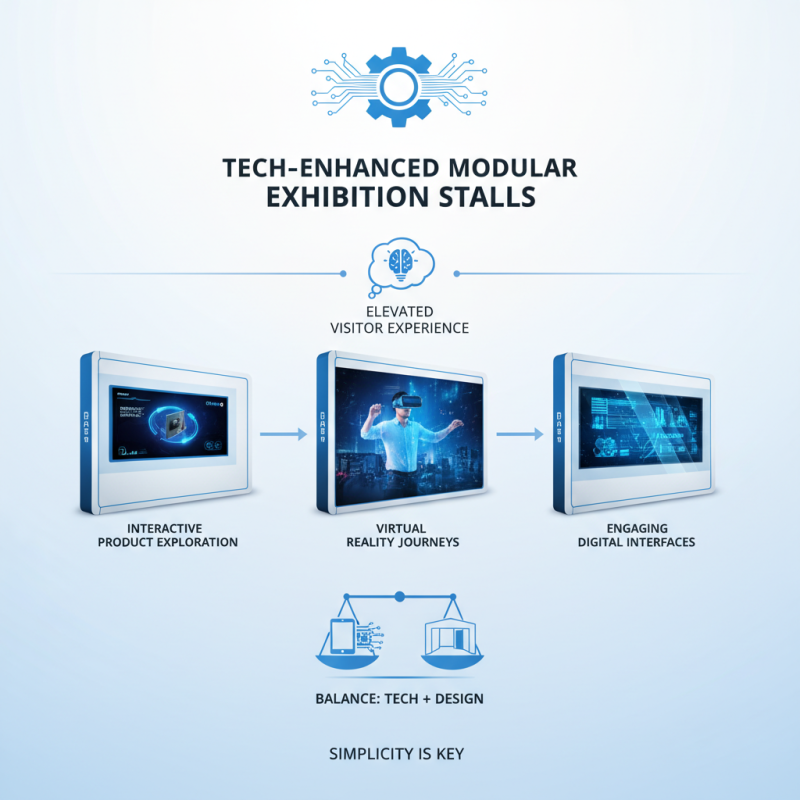
Integrating technology into modular exhibition stalls can significantly elevate the visitor experience. Consider interactive displays. Touchscreens or virtual reality elements can engage attendees. They allow users to explore products in depth, creating memorable interactions. Remember, simplicity is key. Technology should enhance, not overwhelm. The balance between tech and design is delicate.
Think about the lighting. Incorporating LED panels can transform the stall's ambiance. Dynamic lighting can draw attention to key areas. Use colors that represent your brand. However, coordinating the tech and design can be tricky. Ensure everything functions seamlessly. Test all tech elements before the event. Nothing disrupts engagement like malfunctioning equipment.
Don't overlook data collection methods. Digital sign-ups or QR codes can streamline visitor interactions. This can provide valuable insights for follow-up. It's essential to analyze data after the event. Reflect on what worked and what didn't. With each exhibit, there’s room for improvement. Constant evolution helps in staying relevant in the competitive landscape.
Best Practices for Maximizing Space and Visitor Engagement
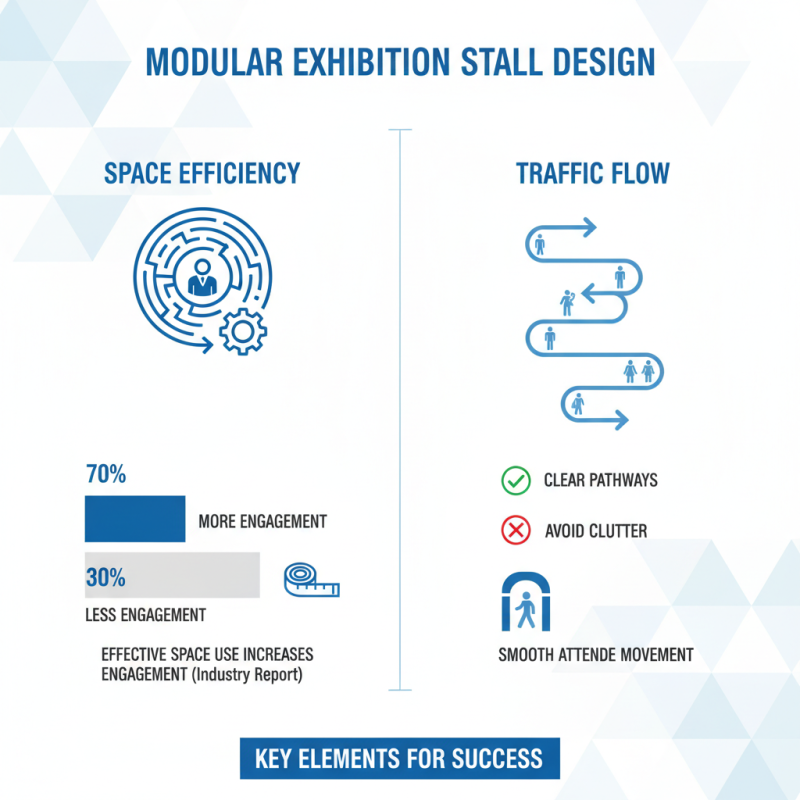
When designing a modular exhibition stall, maximizing space and enhancing visitor engagement are crucial. Studies show that effective space utilization can improve visitor interaction by up to 30%. A well-planned layout allows for smoother traffic flow, making visitors feel comfortable. Use modular furniture to create flexible zones for demos or discussions. Simple seating areas can transform into interactive spaces quickly.
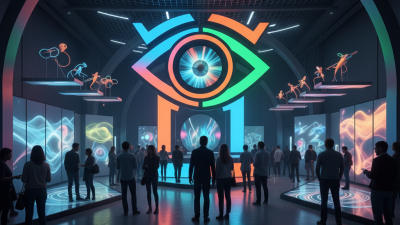
Interactive elements are invaluable for visitor engagement. According to industry reports, booths with interactive tech see up to 50% higher engagement rates. Consider incorporating touchscreens, VR experiences, or engaging displays. Visitors appreciate hands-on experiences, which often lead to longer dwell times. However, it’s essential to maintain a clear narrative. Clutter can confuse.
Remember that design is not just about aesthetics. It involves psychology too. A study found that color schemes can impact visitor mood and perception. Overly bright colors may induce anxiety. Striking the right balance is key. Reflecting on your choices can lead to improvements. Engage with your audience and adapt based on their feedback. Engaging visitors means adjusting to their preferences and behaviors—something many designers overlook.

 Contact Us