Top 10 Tips for Choosing the Best Exhibit Stands for Trade Shows?
Choosing the right exhibit stands for trade shows is crucial for success. According to the Event Marketing Institute, 85% of attendees remember exhibitors with compelling displays. This highlights the importance of making informed choices. Exhibit stands serve as the first impression for your brand. They should be visually appealing and convey your message effectively.
Research indicates that 70% of trade show attendees are looking to gain insights and more than 40% attend to discover new products. Therefore, an effective exhibit stand not only attracts visitors but also engages them. Assessing the size, design, and functionality of your stand is vital. For example, an effective layout enhances visibility and encourages interaction.
It's easy to overlook the importance of details, such as lighting and graphics, which can significantly impact the overall impression. Ensure that your exhibit stands align with your branding and resonate with your target audience. Adopting a strategic approach can turn your exhibit into a valuable asset that reflects your brand's commitment to quality and innovation. Realizing that not every choice will be perfect can lead to valuable insights for future events.
Factors to Consider When Selecting Exhibit Stands for Trade Shows
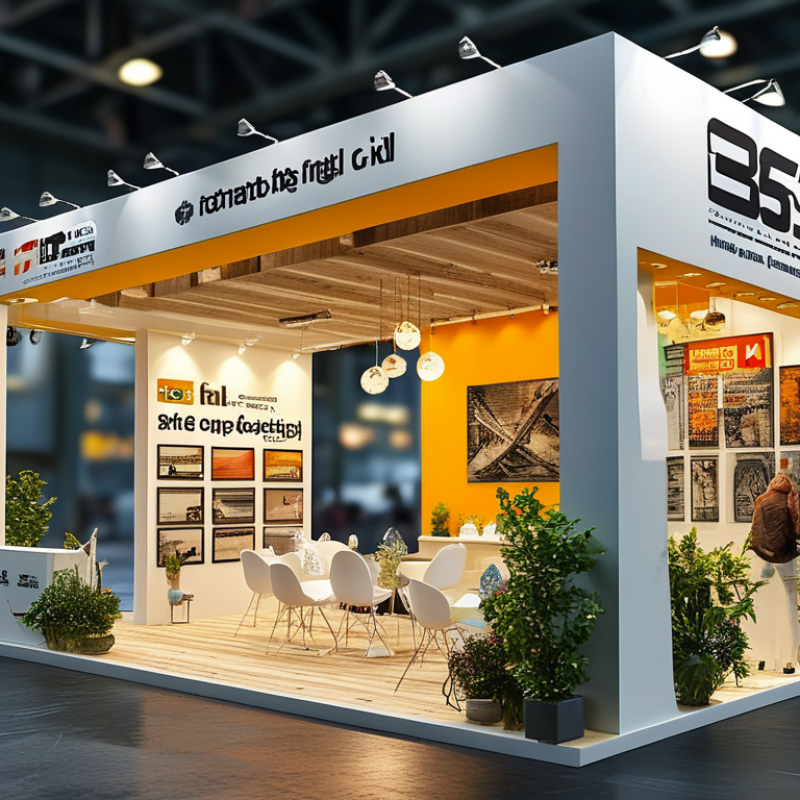
Choosing the right exhibit stand for trade shows can be challenging. Multiple factors come into play. First, consider the size of your display area. It must fit well within the designated space. Too large or too small can create issues. Next, think about the design. A visually appealing stand attracts more visitors. Make a bold statement but ensure it aligns with your brand.
Material is another crucial factor. High-quality materials might increase costs, but they ensure durability. A sturdy stand withstands the hustle and bustle of a trade show. Additionally, ease of setup matters. You may not have a lot of time during the event, so a simple assembly process is advantageous.
Lastly, consider your budget. Don’t overspend on features you won’t use. Find a balance between cost and quality. While you aim for the best stand, reflect on past experiences. Sometimes, what looked good on paper didn’t work out. Learn from those moments. Each trade show is a chance to improve and adjust your approach.
The Importance of Size and Space Utilization in Exhibit Design
When designing exhibit stands, size and space utilization often dictate success. Research shows 70% of attendees spend more time at larger exhibits. This highlights the need for maximizing every square foot. An effective layout balances open areas with product displays. Clutter can overwhelm visitors, leading to missed opportunities.
Moreover, strategic placement of elements can guide foot traffic. Studies indicate that 50% of attendees decide their stops within the first few seconds. Hence, your design should invite curiosity while maintaining clarity. Using modular components offers flexibility, allowing adjustments based on event size. Minimalist designs can often accomplish more than complex setups.
However, the challenge lies in ensuring visibility without sacrificing engagement. Poorly utilized space can create dead zones that repel visitors. Reflecting on past experiences can offer insights. Analyzing which layouts drew crowds, and which did not, can inform future designs. Colors, signage, and lighting are key to creating an inviting atmosphere. Professionals should continuously evaluate what works best to enhance the overall exhibit experience.
Material Choices and Durability of Trade Show Exhibit Stands
When selecting materials for trade show exhibit stands, durability is a critical factor. According to a report from the Exhibitor Media Group, over 71% of exhibitors prioritize sturdiness and quality in their booth designs. Materials like aluminum and high-density foam are known for their longevity and resilience, making them popular choices among professionals. Many find that a well-constructed stand can withstand multiple shows, reducing long-term costs.
However, some materials may not age gracefully. For instance, fabric graphics can fade or fray, diminishing visual appeal. A report by Event Marketer highlights that 65% of exhibition success depends on the initial impression. Thus, regular material evaluation is essential. Choosing the right material also impacts setup time. Lightweight materials are easier to transport but may compromise strength. This balance is often difficult to achieve.
Incorporating sustainable materials is becoming more prevalent. A study by The Sustainable Events Committee revealed that 52% of exhibitors consider sustainability in their material choices. However, sustainable options can sometimes lack the robustness of traditional materials. Reflecting on these choices can lead to more informed decisions. Understanding the trade-offs between durability, weight, and sustainability is crucial for effective exhibit planning.
Top 10 Tips for Choosing the Best Exhibit Stands for Trade Shows
| Material Type |
Durability |
Weight |
Cost |
Recommended Use |
| Aluminum |
Very Durable |
Lightweight |
Moderate |
Portable Stands |
| Wood |
Highly Durable |
Heavy |
High |
Luxury Exhibits |
| Fabric |
Moderately Durable |
Lightweight |
Low |
Custom Graphics |
| Plastic |
Moderately Durable |
Very Lightweight |
Low |
Budget Options |
| Steel |
Extremely Durable |
Heavy |
High |
Permanent Displays |
| Foam Board |
Low Durability |
Very Lightweight |
Very Low |
Short Term Use |
| Vinyl |
Moderately Durable |
Lightweight |
Low |
Outdoor Events |
| Glass |
Durable |
Heavy |
High |
High-End Displays |
| Cardboard |
Low Durability |
Very Lightweight |
Very Low |
Temporary Displays |
| Mesh |
Moderately Durable |
Lightweight |
Low |
Breathable Displays |
Design Aesthetics: How Visual Appeal Affects Attendee Engagement
Trade shows are prime opportunities for businesses to showcase their products and engage with potential clients. One key factor in capturing attention is design aesthetics. According to a report by Exhibitor Magazine, well-designed exhibit stands can increase booth traffic by up to 40%. This emphasizes the importance of visual appeal in driving attendee engagement.
Bold colors, unique structures, and inviting layouts can draw in visitors. A striking visual can lead to an emotional response, making attendees more likely to remember a brand. However, it's crucial to balance aesthetics with functionality. A stand that looks great but is difficult to navigate may frustrate potential customers. The ideal design should facilitate interaction while still standing out.
Consider incorporating technology into the design. Interactive displays or augmented reality can enhance engagement. Studies show that booths with interactive elements hold attendee attention up to 70% longer. While flashy designs can attract crowds, they should align with the brand's message. Reflecting on what works is vital. Experimenting with different designs can lead to valuable insights and improvements for future shows.
Budgeting for Exhibit Stands: Cost vs. Impact Analysis
When planning for trade shows, budgeting for exhibit stands is critical. According to a report by the Center for Exhibition Industry Research (CEIR), the average cost for a 10x10 ft booth ranges from $2,500 to $10,000. These figures may differ based on location, design complexity, and additional features. It’s essential to assess how much impact you want to achieve against these costs.
Investing wisely in design can yield significant returns. Studies reveal that effective displays can increase foot traffic by 30%. Simply put, a more engaging stand attracts more visitors. However, not every expensive option guarantees success. Consider the balance between a lavish design and functional layout.
While high costs might seem daunting, evaluating potential outcomes is vital. Exhibitors must focus on metrics like lead generation. A strong display could lead to a 20% increase in sales inquiries. Reflecting on past shows can reveal missed opportunities. Analyze what worked and what didn’t. This ongoing assessment allows for informed decisions in future budgeting.
Cost vs. Impact Analysis for Exhibit Stands

 Contact Us