Top 10 Modular Stand Design Ideas for Global Buyers?
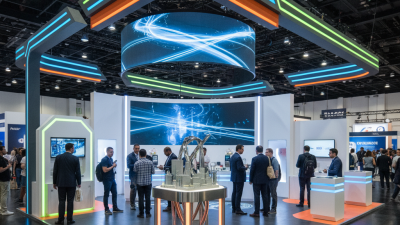
In the dynamic world of exhibitions, effective presentation is crucial. Modular Stand Design has emerged as a key solution for brands seeking versatility and aesthetic appeal. With innovative concepts, these stands adapt to diverse spaces, enhancing the overall visitor experience.
Global buyers face challenges when selecting stand designs that reflect their brand identity. A compelling exhibit draws attention and encourages engagement. It's essential to understand how various elements of design, such as color and structure, affect perceptions. Modular stands offer flexibility, allowing exhibitors to customize designs easily.
However, not all modular designs work seamlessly. Some may require significant adjustments to fit specific needs. Reflecting on past experiences can help avoid common pitfalls. Leveraging expert advice supports making informed decisions. Every brand has unique requirements that demand careful consideration. As the landscape of exhibitions continues to evolve, staying informed about the latest trends is vital.
Top Modular Stand Designs that Enhance Brand Visibility
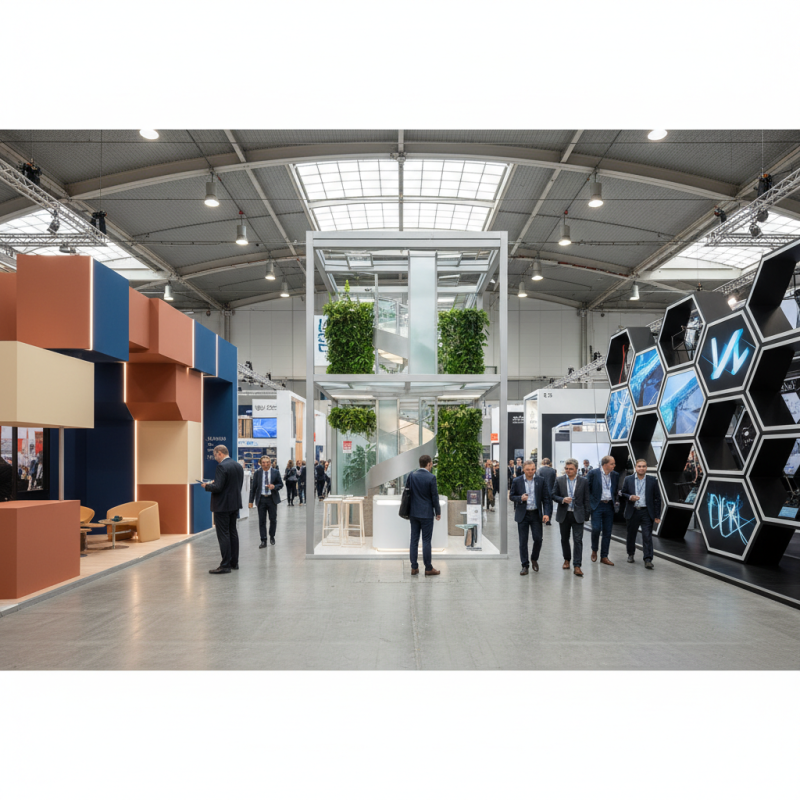
When it comes to modular stand designs, visibility is key. Effective designs can capture the attention of potential clients. Consider using vibrant colors and engaging graphics that align with your brand. This not only attracts visitors but also creates a memorable experience.
Different layouts can enhance interactions. Semi-open stands allow easy communication. Adding interactive screens can also draw crowds. These details transform a basic booth into a dynamic brand presence. Reflect on how these choices might impact audience engagement for your specific goals.
It's essential to think about the overall flow of your space. Clutters can overwhelm visitors. Balance is crucial. Aim for a clean design that invites exploration. Each element should serve a purpose, embodying brand values while maintaining design integrity. Engaging stands tell a story, leaving a lasting impression on attendees.
Top 10 Modular Stand Design Ideas for Global Buyers
This chart displays the popularity of various modular stand design ideas based on recent market research.
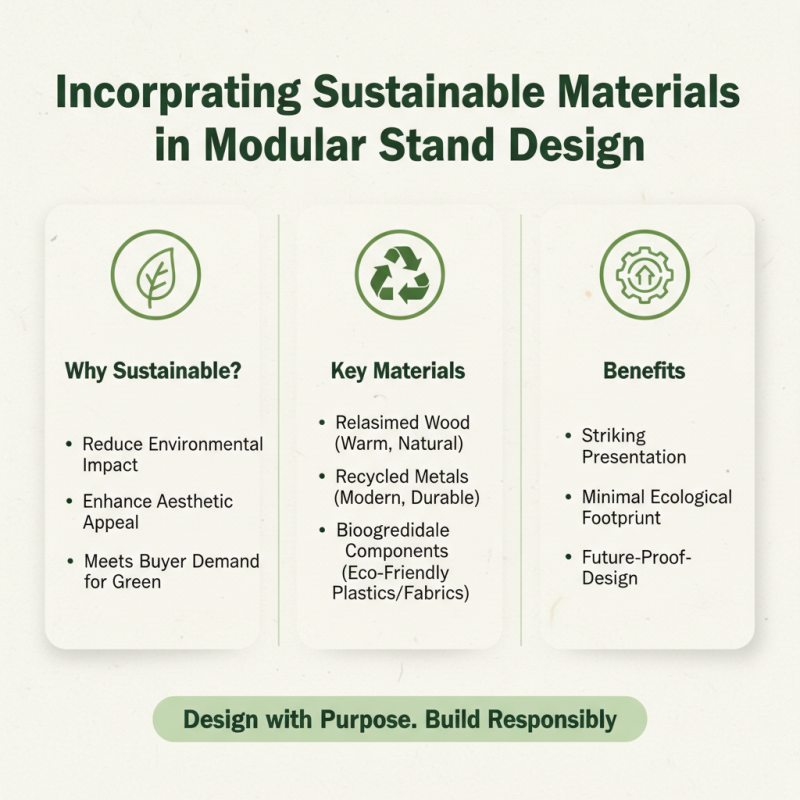
Incorporating Sustainable Materials in Modular Stand Design
Sustainable materials are becoming essential in modular stand design. These materials not only reduce environmental impact but also enhance aesthetic appeal. Buyers today favor designs that reflect their commitment to sustainability. Using reclaimed wood, recycled metals, or biodegradable components can create a striking presentation with minimal ecological footprint.
Innovative approaches to sustainability in modular stands include using modular elements that can be reused or repurposed. Flexibility in design allows for adaptation across different events. This adaptability leads to less waste, which is an important consideration. Reflection on previous designs can guide improvements in material selection and construction techniques. Exploring innovative designs can be challenging, but it's essential for aligning with current market trends.
Some designers may overlook the importance of sourcing local materials. This approach supports local economies and reduces transportation emissions. However, it may require more effort to identify quality suppliers. The balance between aesthetics, functionality, and sustainability is crucial. Buyers must carefully assess how materials fit within their brand messaging and the overall impact of their stand design.
Flexible Layouts: Adapting Modular Stands for Various Events
Modular stands offer flexibility for a variety of events. These adaptable designs cater to different spaces and audience needs. Exhibitors can easily reconfigure layouts to create unique experiences each time. This adaptability is key in a competitive market, where standing out is crucial.
One popular approach is combining elements like partitions and furniture. This creates designated areas for interaction or presentations. It can be challenging to find the right balance. Overcrowded spaces may confuse visitors, while sparse setups might feel uninviting.
Adjusting layouts based on visitor flow can enhance engagement, but it requires careful planning. Lighting also plays a significant role in these designs. Proper illumination can highlight specific products or areas. Dim lighting may create a cozy atmosphere, but could also limit visibility.
Finding an ideal light level is often a process of trial and error. Effective modular stand design is about ongoing refinement and learning from each event. Flexibility must be embraced in both design and execution for the best results.
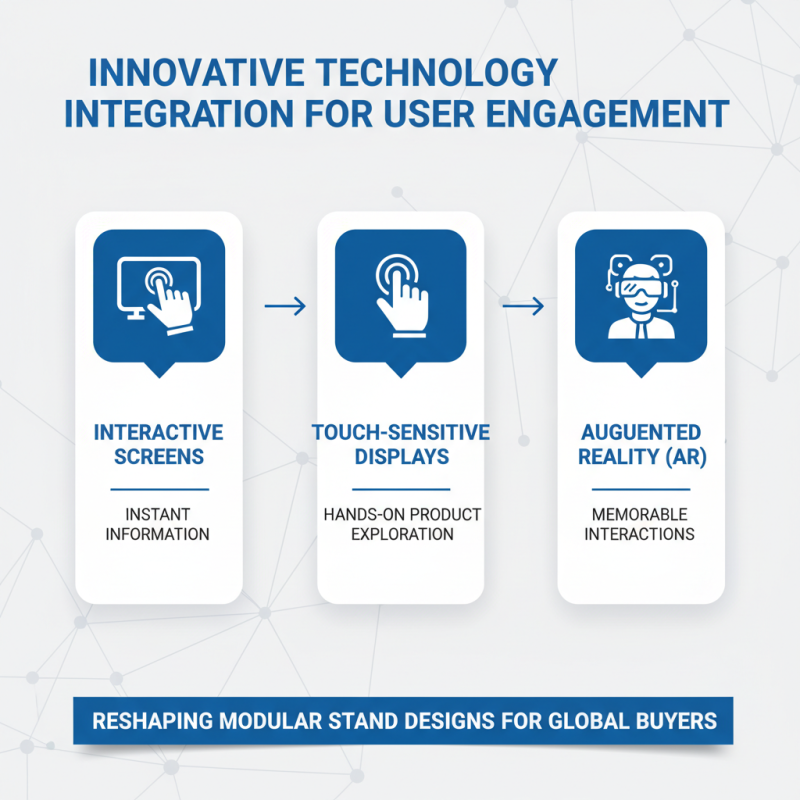
Innovative Technology Integration for User Engagement
Innovative technology is reshaping modular stand designs for global buyers. Engaging users requires strong integration of technology. Interactive screens attract attention, providing instant information. Touch-sensitive displays allow visitors to explore products hands-on. Augmented reality experiences can transform simple engagement into memorable interactions.
Lighting plays a crucial role too. Well-placed LED lights create ambiance, drawing in potential clients. But, balancing technology with practicality is key. Too much tech can overwhelm users. Designs should invite exploration, not confusion. Using simple interfaces helps maintain user engagement without making them feel lost.
Incorporating user feedback is essential. Great designs evolve over time based on real experiences. Assess how visitors interact with stands. Do they find the tech useful? Or is it more of a distraction? Understanding these nuances can lead to more effective designs. Every stand should tell a story, but it must resonate with the audience. Insights and reflections can guide future innovations. These details matter significantly in a competitive landscape.
Cost-Effective Solutions: Scaling Modular Stand Designs for Any Budget
Modular stand designs offer great flexibility, making them ideal for businesses of varying sizes. Their adaptability allows easy scaling to fit different budgets. Many options are available for those looking to create an
engaging exhibition space without overspending. Use lightweight materials to cut costs while maintaining a professional look.
Engaging visuals can swiftly capture attention, helping brands stand out.
Incorporate modular elements like interchangeable graphics and adjustable shelving. This approach not only saves expenses but also enhances functionality. Many exhibitors learn the hard way; they underestimate the importance of a well-planned design. An effective plan can lead to impressive engagement, drawing in potential customers.
One challenge with modular designs is ensuring durability. Some cheaper materials may not withstand heavy use, requiring replacements. Businesses need to evaluate their long-term goals. When planning a design,
attention to detail is crucial. Clever use of space can lead to a more impactful experience. Brands should always prioritize creativity over costs, while remaining mindful of their
budget constraints.

 Contact Us