How to Design a Modular Exhibition Stall for Maximum Impact in 2025
In the evolving landscape of trade shows and exhibitions, the design of a Modular Exhibition Stall plays a pivotal role in attracting attendees and creating memorable brand experiences. According to recent reports by the Center for Exhibition Industry Research (CEIR), over 80% of trade show attendees have purchasing authority, highlighting the tremendous potential for brands to connect with key decision-makers through effective stall design. As the exhibition industry continues to recover and adapt post-pandemic, the demand for flexible and scalable solutions has surged, with a projected growth rate of 5.5% for modular stands through 2025.
Now, more than ever, companies are recognizing the value of a well-designed Modular Exhibition Stall that not only showcases their products but also fosters interaction and engagement. Studies indicate that exhibitors who adopt modular designs report 30% higher visitor engagement compared to traditional setups. This shift towards modularity allows brands to customize their stalls for different exhibition formats, ensuring maximum impact while optimizing costs and logistics. As we look ahead to 2025, understanding the principles and innovative designs behind Modular Exhibition Stalls will be crucial for businesses aiming to stand out in a competitive environment.
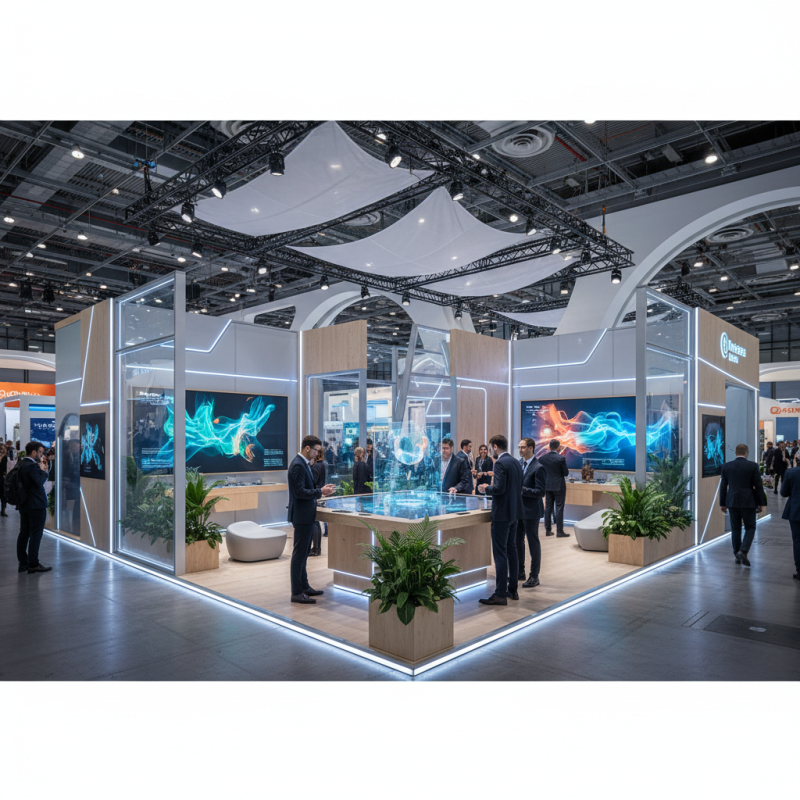
Modular Design Principles for Contemporary Exhibition Stalls in 2025
Designing a modular exhibition stall in 2025 requires an understanding of contemporary design principles that emphasize flexibility, sustainability, and audience engagement.
Modular design allows for customizable configurations, enabling exhibitors to create a unique space that can adapt to different events and themes.
By utilizing lightweight materials and reconfigurable layouts, exhibitors can easily adjust their stall to optimize space and improve the visitor experience.
Moreover, integrating technology with modular setups can enhance interactivity, allowing brands to connect with audiences more effectively.
Sustainability is another critical aspect of modular design principles in contemporary exhibition stalls.
Exhibitors are increasingly focusing on eco-friendly materials and energy-efficient solutions.
Using recyclable materials, LED lighting, and virtual elements not only reduces waste but also aligns with the values of modern consumers.
Additionally, exhibiting brands should consider creating reusable components that can be transported and assembled quickly for various exhibitions, further minimizing their environmental impact.
Emphasizing these principles not only attracts attention but also establishes a brand as a responsible and innovative player in today’s market.
Key Trends Impacting Exhibition Stall Design: Insights from the 2025 Industry Report
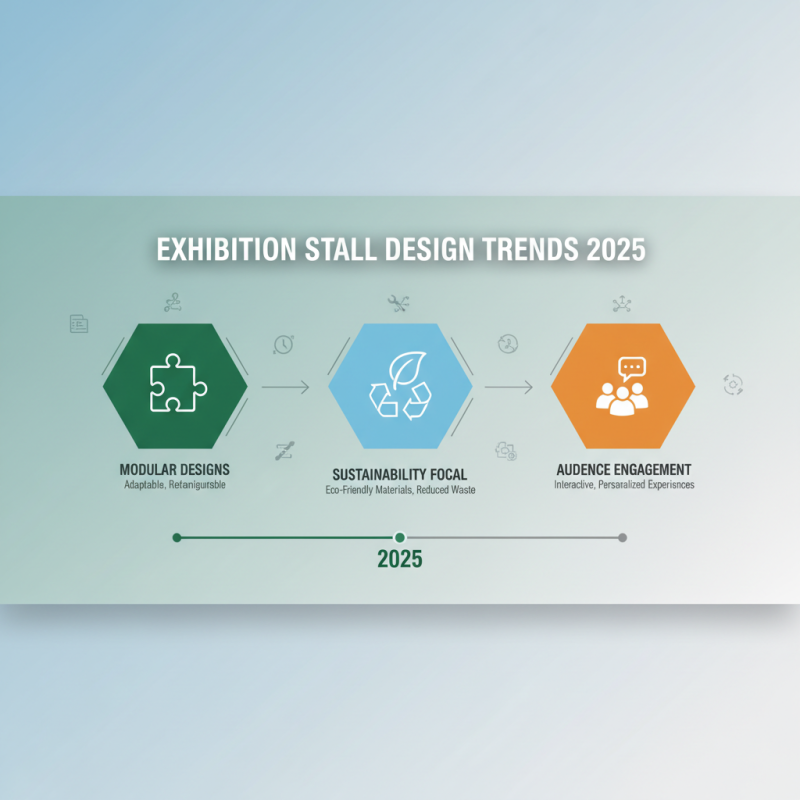
In 2025, the landscape of exhibition stall design is shaped by several key trends that prioritize functionality, sustainability, and audience engagement. One significant shift is the move towards modular designs, allowing exhibitors to easily reconfigure their stalls based on space availability and specific event goals. This adaptability not only enhances efficiency in setup and teardown but also provides exhibitors with the flexibility to create personalized experiences that resonate with diverse audiences.
Sustainability remains a critical focus in exhibition stall design, where eco-friendly materials and energy-efficient technologies are becoming standard practice. Incorporating recycled materials and green technologies not only reduces the environmental impact but also appeals to increasingly conscientious attendees. Additionally, advancements in digital technology are transforming how stalls interact with visitors. Augmented reality and interactive displays are increasingly common, enabling exhibitors to create immersive experiences that capture attention and foster deeper connections with prospective clients. These trends collectively signify a move towards a more dynamic and responsible approach to exhibition stall design in 2025.
Utilizing Interactive Technology to Enhance Engagement in Modular Stalls
In designing a modular exhibition stall for 2025, integrating interactive technology can significantly boost visitor engagement. By incorporating elements such as virtual reality (VR) experiences or interactive touch screens, exhibitors can create immersive environments that encourage visitors to participate actively. This not only captures their attention but also fosters a memorable experience that resonates long after they leave the booth. Leveraging technology to tell your brand story through interactive simulations or gamification can transform a standard stall into a compelling narrative journey.
Tips: Start with a clear objective for your interactive technology. Whether it’s to educate, entertain, or inform, aligning your tech with your overall goals will help create a seamless experience. Consider utilizing user-friendly interfaces that allow visitors to navigate easily without feeling overwhelmed. Additionally, data collection tools integrated within these technologies can help track visitor interaction, providing valuable insights for future exhibitions.
Another effective strategy is to incorporate social media elements, allowing visitors to share their experiences in real time. Set up social media walls that display attendee posts or photos, encouraging them to engage not only with your stall but also with each other. This fosters a sense of community and can amplify your stall's visibility beyond the event itself. By marrying modular design with innovative technology, you can maximize the impact of your exhibition space in 2025.
Sustainable Materials and Practices: A Must for Modular Exhibit Design 2025
In designing a modular exhibition stall for 2025, integrating sustainable materials and practices is paramount. As the push for environmental responsibility intensifies, exhibition designers are called to rethink their approaches, selecting materials that minimize ecological impact. For instance, utilizing recycled or upcycled materials not only reduces waste but also adds a unique aesthetic to stalls.
Biodegradable options, like bamboo or cork, provide sturdy solutions that align with eco-friendly initiatives, showcasing a commitment to sustainability while still achieving visual appeal.
Moreover, implementing modular designs allows for versatility and adaptability, essential traits for modern exhibitions. Such designs enable exhibitors to easily reconfigure their setups for various events, thus maximizing the lifecycle of their materials. By incorporating energy-efficient lighting and renewable energy sources, such as solar panels, designers can further enhance sustainability. This not only lowers the environmental footprint but can also lead to long-term cost savings. Thus, the focus on sustainable materials and practices is not just an ethical choice but a strategic one that enhances the overall impact of the exhibition stall in 2025.
Maximizing Space Efficiency: Data-Driven Strategies for Modular Stalls
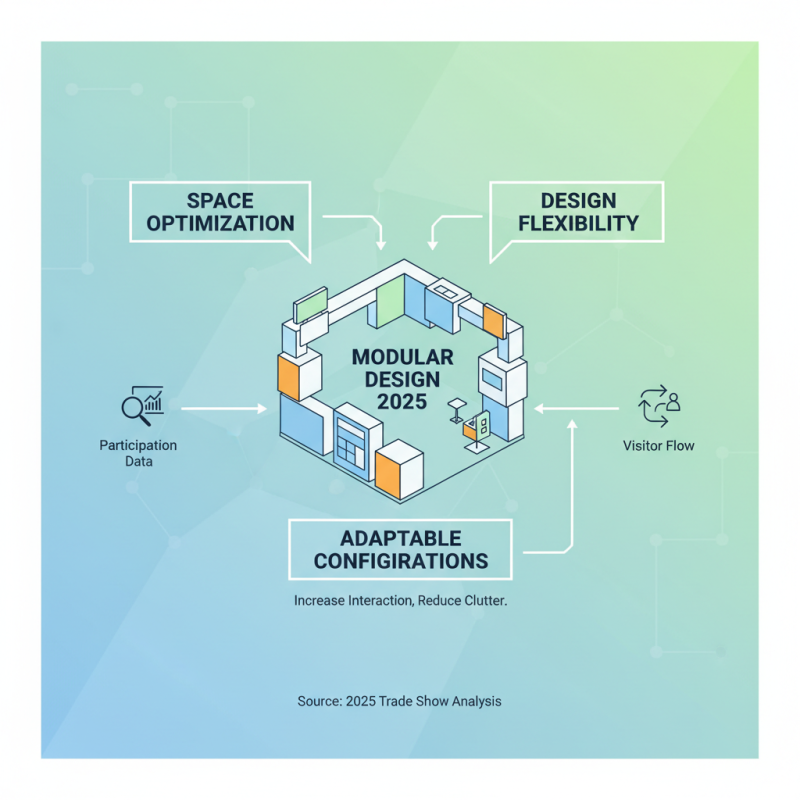
Designing a modular exhibition stall requires a keen focus on space efficiency, especially when considering the diverse needs of 2025’s trade shows. By analyzing participation data and visitor flow patterns, designers can create layouts that not only attract attention but also optimize the available space. Utilizing modular components allows for flexibility in design, enabling exhibitors to adapt the stall configuration based on specific exhibition dimensions and audience engagement strategies. This adaptability means that exhibitors can scale their displays easily and assemble them in a manner that encourages interactions without feeling cramped.
Data-driven strategies come into play by employing analytics tools to evaluate past exhibition performances. Analyzing metrics such as visitor dwell time, peak traffic hours, and engagement rates leads to informed decisions about stall design. For example, placing interactive displays or product demonstrations at strategic points can draw visitors and enhance their experience, thereby increasing the chances of conversion. Additionally, utilizing wall space for graphics and multimedia presentations can maximize visibility and communication impact while minimizing the stall’s footprint. By focusing on these data-driven insights, exhibitors can ensure that their modular stalls are not only visually striking but also functionally efficient, catering to the dynamic environment of trade shows in 2025.

 Contact Us