What is a Modular Exhibition Stall and Why Choose One?
In the dynamic world of exhibitions, a "Modular Exhibition Stall" stands out as a versatile solution. Industry expert John Smith, head of Innovative Displays, recently noted, "Modular stalls offer unlimited potential for creativity and adaptability." This highlights the growing need for such structures in the evolving market landscape.
Modular Exhibition Stalls are designed to be reconfigured easily. This means businesses can create unique layouts for different events. Customization is key. Each stall can reflect the brand's identity while meeting specific space requirements. Flexibility is often an underestimated aspect of these solutions.
However, choosing the right modular design can be challenging. Not all options provide the same quality or functionality. Companies must think critically about their needs and objectives. A thorough evaluation ensures a successful exhibition presence. Reflecting on this, selecting a well-designed modular stall can make a significant difference in attracting potential clients.
What Defines a Modular Exhibition Stall: Key Characteristics and Elements
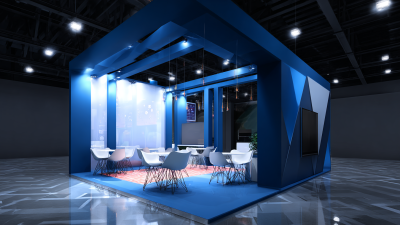
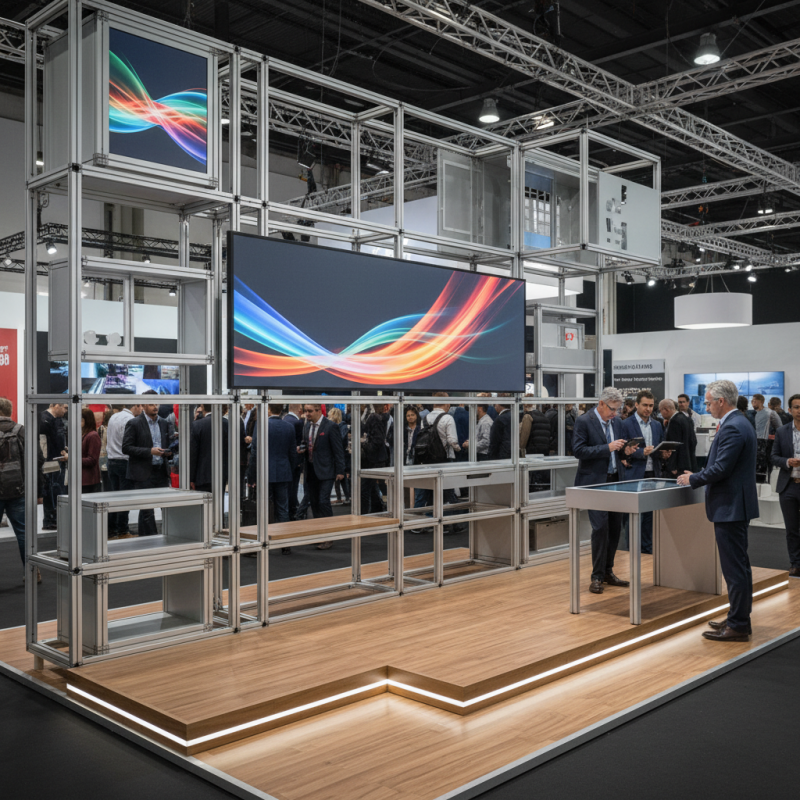
A modular exhibition stall is a flexible solution for trade shows. It is designed to adapt to different spaces and layouts. This adaptability is one of its most significant features. Instead of a fixed structure, these stalls can be rearranged or resized according to needs. This flexibility allows exhibitors to create unique presentations. They can cater to different audiences and vary their setups for each event.
Key characteristics of modular stalls include lightweight materials and reusable components. Many designs feature portable parts that are easy to transport. This makes them cost-effective in the long run. While they offer numerous benefits, they require careful planning. Exhibitors must think about the layout and design to make the best use of the space. Some may find the initial setup complex, leading to potential miscommunication in the team.
Incorporating technology and visuals can enhance the effectiveness of these stalls. Interactive displays and digital signage are popular options. However, relying solely on technology may overlook the human element in engagement. Balancing visual appeal with personal interaction is crucial. Each stall must tell a story that resonates with the audience and leaves an impact. As such, reflecting on these aspects can significantly improve the overall strategy.
What is a Modular Exhibition Stall and Why Choose One?
| Characteristic |
Description |
Advantages |
| Customizable Design |
Can be tailored to specific branding needs and dimensions. |
Maximizes brand visibility and audience engagement. |
| Modular Components |
Consists of various parts that can be assembled in different configurations. |
Flexible usage across multiple events with different space requirements. |
| Easy Assembly |
Designed for quick setup and breakdown without specialized tools. |
Saves time and labor costs during events. |
| Sustainability |
Often made from eco-friendly materials and can be reused. |
Reduces environmental impact and costs over time. |
| Versatile Functionality |
Can serve various purposes like display, meeting space, or storage. |
Increases the stall's utility without additional investment. |
The Benefits of Modular Exhibition Stalls: Cost Efficiency and Flexibility
Modular exhibition stalls offer a unique approach to event marketing. These stalls are designed to be adaptable and reusable. According to a report by Exhibitor Media Group, 61% of exhibitors prefer modular displays for their flexibility in design. This trend highlights the growing need for customizable solutions in the exhibition industry.
Cost efficiency is a significant advantage of modular stalls. Traditional booth designs can be expensive and often lead to wasted materials. Statista reported that companies can save up to 30% by opting for modular stalls. This is particularly beneficial for businesses with limited budgets or those participating in numerous events.
However, there are challenges to consider. Modular stalls require careful planning and maintenance. Regular checks ensure that components are in good condition. Some businesses may struggle with assembly if they are new to this approach. Despite these hurdles, the versatility and economic benefits make modular exhibition stalls an appealing option for many organizations.
Benefits of Modular Exhibition Stalls
Industry Trends: Growth of Modular Stalls in Global Trade Shows and Exhibitions
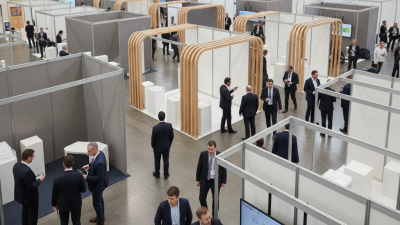
The rise of modular stalls in global trade shows reflects a significant shift in exhibition design. These structures are flexible and can be customized to fit various spaces. Their adaptability caters to different branding needs. Many businesses now favor modular options due to their cost-effectiveness. With rising costs of traditional booths, companies are looking for alternatives that do not sacrifice style or function.
Recent industry trends reveal that modular stalls are becoming increasingly popular. They allow for quick assembly and disassembly, which is particularly advantageous for frequent exhibitors. This efficiency can reduce logistical complexities. It's easier to update or reconfigure a modular stall compared to a bespoke structure. However, some exhibit planners find it challenging to create a cohesive brand experience within these adaptable designs.
While modular options offer various benefits, there are potential downsides. Not every modular stall can convey a unique brand identity effectively. Some may appear too generic or lack innovative features. It's crucial for exhibitors to carefully consider their objectives. Investing time upfront in design can lead to a more memorable presence. Balancing modular design flexibility with distinctiveness remains a learning curve for many in the industry.
Comparative Analysis: Modular vs. Traditional Exhibition Stalls Performance
When considering exhibition stalls, the debate between modular and traditional stalls is essential. Modular stalls provide flexibility and adaptability. They can be designed to fit various spaces and themes. Traditional stalls often have fixed designs, which may limit creativity. Performance-wise, modular stalls tend to attract more visitors due to their innovative setups. The unique structure creates an engaging atmosphere, while traditional designs might blend into the background.
However, modular stalls can entail a steeper initial cost. It’s crucial to weigh this against the potential return on investment. Exhibitors have found that the customizable nature of modular stalls can lead to better audience interaction. This engagement often translates into stronger leads and sales.
Tips for boosting your stall’s performance: Focus on layout and flow. Ensure visitors can navigate easily. Incorporate elements that showcase your brand’s story. Finally, don't overlook the importance of clear signage. A compelling message can make all the difference in attracting attention. Remember, reflect on what works for your audience and refine your approach accordingly.
Maximizing Impact: Design Strategies for Effective Modular Exhibition Stalls
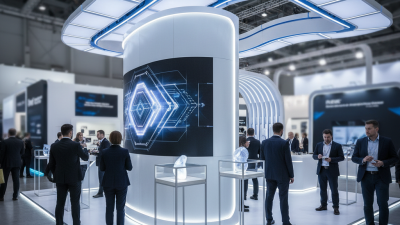
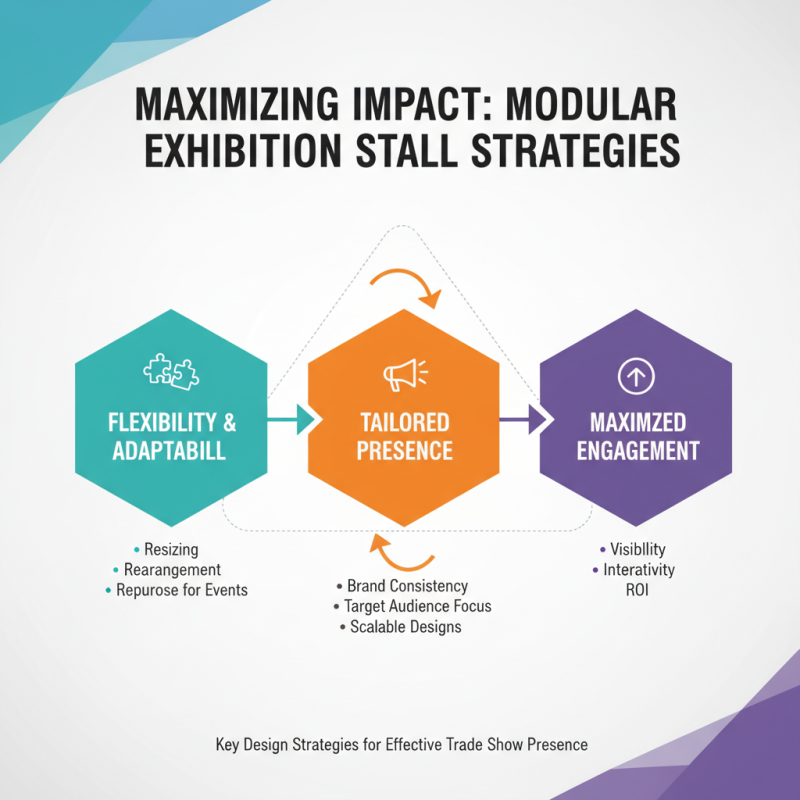
Modular exhibition stalls are designed for flexibility and impact. They can be resized, rearranged, or repurposed for different events. This adaptability allows businesses to tailor their presence effectively. With the right design strategies, companies can maximize their visibility and engagement at trade shows.
Using bold colors and interactive displays can attract attention. Thoughtful layout encourages visitors to explore the stall. For instance, placing a product demo area in a prominent location can draw curious attendees. Clear signage helps communicate the brand message quickly. Ensuring that booth staff are approachable enhances visitor interaction.
However, creating an impactful stall can be challenging. Balancing aesthetics with functionality requires careful planning. It's easy to overcomplicate a design, which may overwhelm visitors. Reflecting on past events can provide valuable insights. Evaluating which elements drew interest will guide future designs.

 Contact Us