Inquiry
Form loading...

Top China Exhibition Standard Booth Suppliers

Choosing among Top China Exhibition Standard Booth Suppliers requires more than comparing prices or catalog photographs. An Exhibition Standard Booth must perform under pressure, from the first installation to the final visitor conversation. It should arrive on time, stand securely, and communicate a brand within seconds. Small details matter. Even cable routes matter.

Barry Siskind, a veteran trade show consultant and author, explains, “A booth is not a decoration; it is a business tool.” This principle helps buyers evaluate Chinese suppliers more carefully. Experienced manufacturers should provide clear drawings, material specifications, structural guidance, and realistic production schedules. They should also explain how their teams manage shipping, venue rules, lighting, graphics, and on-site assembly. A low quotation may look attractive until missing hardware or delayed printing disrupts the exhibition.

Strong suppliers combine modular design with practical customization. Aluminum frames, recyclable panels, fabric graphics, counters, shelves, and LED lighting can create a clean visitor path. The booth should support product demonstrations without blocking conversation. It should also remain easy to dismantle and reuse at another event.

Still, no supplier is perfect. Some portfolios look impressive but reveal little about quality control. Some buyers also focus too heavily on appearance. That is a mistake. Ask for factory photographs, sample materials, installation records, and client references. Request a written checklist. Then review it honestly.

China has many capable booth producers, but capability varies. The best choice balances design skill, manufacturing experience, communication, compliance awareness, and dependable after-sales support. A beautiful booth is useful. A reliable one builds confidence.
Top China Exhibition Standard Booth Suppliers

What Is a Standard Exhibition Booth in China?

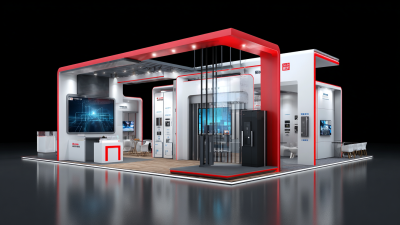
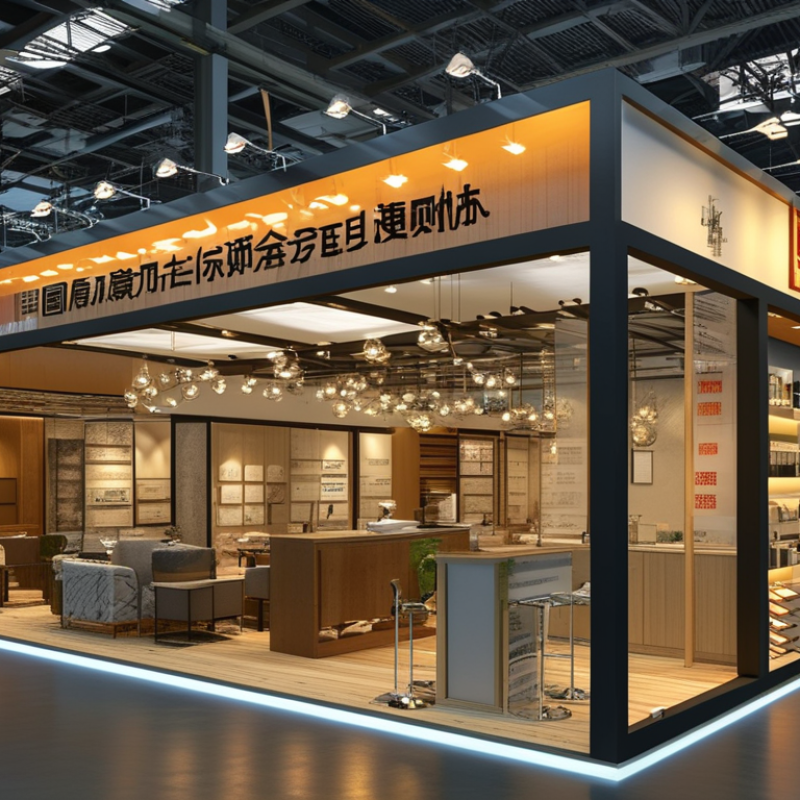
A standard exhibition booth in China is usually a modular 3 × 3 meter space, covering nine square meters. It commonly includes aluminum frames, printed wall panels, carpet, lighting, a reception counter, and one or two display tables. The shell scheme is practical, not luxurious. Some venues offer a 3 × 6 meter option for larger product ranges.

According to UFI’s Global Exhibition Barometer, published in 2024, more than half of surveyed exhibition companies reported stable or growing business conditions. China’s exhibition industry reports also recorded thousands of professional events annually, creating strong demand for repeatable booth systems. These figures explain why standard booths remain popular among small and medium-sized exhibitors. They reduce installation time, simplify transport, and make budgeting easier. A typical installation can be completed within one day, depending on venue rules and graphic preparation.

From project experience, the real quality often hides in small details. Check whether the floor is level, whether lights reach the product, and whether graphics fit the frame without visible gaps. A low-cost package may include weak hinges or thin printed fabric. That can look acceptable in drawings but disappointing under exhibition lighting. Standard booths are not automatically effective. They can feel empty when product placement lacks planning. Reviewing the visitor path, electrical load, fire regulations, and storage needs before ordering prevents costly changes. Mistakes still happen. That is worth admitting. A reliable supplier should provide measured drawings, material specifications, and a clear installation schedule before production.

Key Services Offered by Top Chinese Booth Suppliers

Top China Exhibition Standard Booth Suppliers

Key Services Offered by Top Chinese Booth Suppliers

Experienced Chinese booth suppliers provide more than prefabricated walls and printed panels. They manage layout planning, graphic production, lighting, furniture, storage, and installation. A reliable team studies your product range before drawing the booth. A 3-by-6-meter space needs different planning from a large island stand. Small details matter. Clear sightlines help visitors enter without confusion. Hidden cabinets keep brochures, samples, and staff items organized.

Professional suppliers usually create 3D renderings, technical drawings, and material lists. These documents reduce misunderstandings between designers, factories, and on-site crews. They can also coordinate production, packing, shipping, venue delivery, installation, and dismantling. Some teams provide fire-retardant materials and electrical plans for venue approval. Project managers often send progress photos during fabrication. That practical evidence builds trust better than attractive promises.

The strongest suppliers offer flexible adjustments when the exhibition schedule changes. They may replace damaged graphics, revise lighting positions, or repair loose fittings onsite. I have found that response speed often matters more than a perfect first proposal. No supplier gets every detail right. A late artwork change can still expose weak communication. Buyers should ask about backup plans, inspection procedures, and after-sales support. A careful supplier records booth dimensions, cable routes, delivery times, and responsible contacts. Better results come from checking these details early, not assuming they are understood.

How China Exhibition Booth Suppliers Manage Design and Production

Top China Exhibition Standard Booth Suppliers

China exhibition booth suppliers manage design and production through a tightly connected workflow. UFI’s 2024 Global Exhibition Barometer collected responses from 423 companies across 61 countries and regions. That scale shows why suppliers must standardize communication, not only construction. A professional team converts the brief into floor plans, 3D views, material boards, and lighting schedules. Every cabinet, graphic panel, and cable route receives a production code. Small details matter.

Designers usually confirm booth size, visitor flow, fire-safety requirements, and venue rules before cutting materials. Engineers then check structural stability, electrical loads, and transport limits. Production teams often build key sections in the factory first. They test LED visibility, door alignment, counters, and storage access. Photos and inspection records help overseas clients approve changes without standing beside the workshop. Still, digital approval is imperfect. A screen cannot reveal every surface texture.

Experienced suppliers use staged quality checks rather than one final inspection. They compare color samples under different lighting, measure graphic edges, and verify packing lists. The Global Association of the Exhibition Industry also reports that economic uncertainty remains a major concern for exhibition businesses. This pressure encourages reusable frames, modular counters, and lighter packaging. Yet lower cost can weaken appearance or durability. That trade-off deserves honest discussion, not optimistic promises. A careful supplier explains what can fail, then designs around it.

Top China Exhibition Standard Booth Suppliers - How China Exhibition Booth Suppliers Manage Design and Production

Typical design, production, quality-control, and delivery practices for standard exhibition booth projects

Management Area Common Industry Practice Typical Timing or Specification Key Control Point
Requirement Review The supplier confirms booth dimensions, open sides, venue rules, branding needs, product-display requirements, and electrical loads before design begins. Usually completed within 1–3 working days after receiving the project brief. Approved floor plan, exhibitor manual, venue regulations, and service-order deadlines.
Space Planning Designers allocate areas for reception, meeting space, storage, product display, graphics, and visitor circulation. A standard booth layout is commonly developed before detailed 3D visualization. Clear visitor access, visibility from aisles, practical storage, and compliance with height limits.
3D Design and Presentation Suppliers prepare rendered views, material suggestions, lighting concepts, furniture placement, and graphic locations. The first concept is often issued within 3–7 working days, depending on complexity. Design approval should cover dimensions, colors, materials, signage, furniture, and lighting.
Standard Booth System Modular aluminum profiles, reusable panels, printed graphics, counters, shelves, spotlights, and rental furniture are frequently used. Suitable for compact and medium-sized booths where fast installation and repeat use are priorities. Check profile compatibility, panel dimensions, load capacity, connection stability, and reusability.
Custom Fabrication Wood, painted surfaces, acrylic, fabric tension graphics, metal parts, glass, and illuminated elements may be combined with modular components. Custom elements generally require more production time than standard rental components. Material samples, color references, structural drawings, edge finishing, and fire-safety requirements.
Graphic Production Artwork is checked for dimensions, resolution, color mode, bleed, safe areas, and installation orientation before printing. Artwork approval should normally be completed before printing and packing. Use production-size artwork, verify text and logos, and approve a color proof when color accuracy is important.
Lighting and Electrical Planning LED spotlights, light boxes, illuminated lettering, monitors, and charging points are planned according to the venue’s electrical rules. Power requirements are finalized before the venue service-order deadline. Confirm voltage, total wattage, cable routing, equipment placement, and certified electrical components.
Prototype and Pre-Assembly For complex or reusable booths, key components may be test-fitted or partially assembled before shipment. Recommended when the project includes custom structures, multiple modules, or tight installation windows. Verify fit, hardware quantities, graphic placement, stability, packing sequence, and installation instructions.
Quality Inspection Finished parts are checked for dimensions, surface quality, color consistency, hardware completeness, and operational performance. Inspection is normally performed before packing and dispatch. Use a checklist covering structure, graphics, lighting, furniture, accessories, and photographic records.
Packing and Shipping Components are labeled by booth zone or assembly sequence and protected with cartons, foam, pallets, or reusable cases. Packing plans are prepared according to the shipping method and venue move-in schedule. Check package dimensions, gross weight, packing lists, customs documents, and delivery instructions.
On-Site Installation An installation team or local contractor assembles the booth, installs graphics and lighting, and completes final adjustments. Installation time commonly ranges from several hours to multiple days, depending on booth size and complexity. Coordinate labor access, material delivery, venue inspection, waste removal, and handover timing.
Project Documentation Professional suppliers maintain approved drawings, specifications, artwork files, packing lists, installation guides, and change records. Documentation should be updated after every approved design or production change. Use version control so the factory, installer, and client work from the same approved information.
Sustainability and Reuse Modular structures, reusable hardware, recyclable aluminum, fabric graphics, low-energy LED lighting, and rental furniture can reduce material waste. Reuse potential is evaluated during the initial design stage rather than after production. Prioritize demountable connections, replaceable graphics, durable components, and efficient transport packaging.
Schedule Risk Management The supplier tracks design approval, artwork release, production, inspection, shipping, customs, and venue move-in milestones. Earlier approval provides more time for corrections, replacement parts, and logistics adjustments. Maintain a written milestone plan with responsible persons, approval dates, and contingency actions.
Note: The timings and specifications shown are typical industry ranges and practices. Actual requirements vary according to booth size, venue regulations, design complexity, materials, shipping method, and event schedule.

Criteria for Comparing Quality, Cost, and Reliability

Top China Exhibition Standard Booth Suppliers

When comparing China exhibition standard booth suppliers, inspect quality beyond polished photographs. Ask for material samples, assembly drawings, and recent project references. Check aluminum profiles for straight edges, stable joints, and clean surface treatment. Panels should resist light scratches and remain level after repeated installation. Measure twice. A practical test is valuable. Request a trial assembly video or visit a production site when possible.

Cost requires more than comparing the lowest quotation. Review what the price includes: graphics, lighting, furniture, packing, transport, installation, storage, and taxes. A cheap package may use thinner panels or exclude site labor. Request an itemized quotation with quantities and specifications. Ask how revisions affect the final cost. I have seen attractive proposals change after electrical requirements were clarified. That risk deserves attention.

Reliability appears in communication and documentation. A dependable supplier confirms deadlines, assigns one project manager, and provides quality checks before shipping. Ask for loading photos, carton labels, spare-part policies, and written responses to damaged components. Contact previous clients, preferably those with similar booth sizes and schedules. Do not rely only on testimonials. Ask about delays, corrections, and after-sales support. Details matter. One weakness remains common: some suppliers promise fast delivery before checking production capacity. Treat that promise carefully, and compare evidence rather than confidence.

Project Workflow, Installation, and On-Site Support

Top China Exhibition Standard Booth Suppliers

Project Workflow, Installation, and On-Site Support

Reliable exhibition booth suppliers manage more than attractive drawings. They begin with a measured brief, venue rules, brand assets, and a realistic budget. A clear workflow usually includes concept approval, technical drawings, material samples, production, packing, and delivery. Each stage needs written confirmation. Small changes can cause large delays.

Details matter on the exhibition floor. Suppliers should check wall dimensions, lighting positions, electrical points, flooring, and hanging restrictions before production. A site team then assembles the structure, tests illuminated graphics, levels counters, and removes visible packaging waste. Keep tools nearby. Delays happen.

Experienced teams assign one project manager and one installation supervisor. They record progress with photographs and maintain an issue list during setup. If a panel arrives scratched or a socket is misplaced, the team should offer a practical replacement plan, not vague promises. On-site support should continue through opening checks and dismantling instructions.

A reliable supplier also protects the schedule with spare graphics, backup hardware, and extra installation time. Yet no workflow is perfect. Measurements may change, venues may restrict access, or freight may arrive late. Suppliers should explain these risks early and document every adjustment. That honesty helps exhibitors make better decisions under pressure.