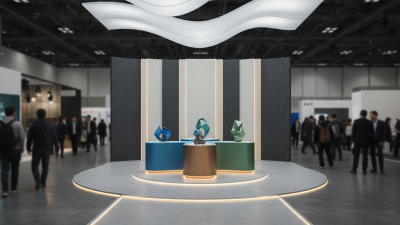
In the competitive world of trade shows and exhibitions, choosing the right Exhibition Stand is crucial. As industry expert John Smith notes, “An effective stand can make or break your presence at an event.” An ideal Exhibition Stand should not only capture attention but also convey a brand's message effectively.
The design and functionality of an Exhibition Stand play a vital role in attracting visitors. Elements such as size, layout, and branding need careful consideration. Some might focus solely on aesthetics, overlooking practical aspects. Balancing form and function is essential. An impressive stand does little if it doesn’t facilitate meaningful interactions.
Selecting the right Exhibition Stand can feel overwhelming. It requires understanding your target audience and your objectives. Often, exhibitors invest heavily but still feel unsatisfied with the outcome. A successful Exhibition Stand is more than just visuals; it's about the connections you foster. Reflecting on these aspects can enhance your event experience and yield better results.
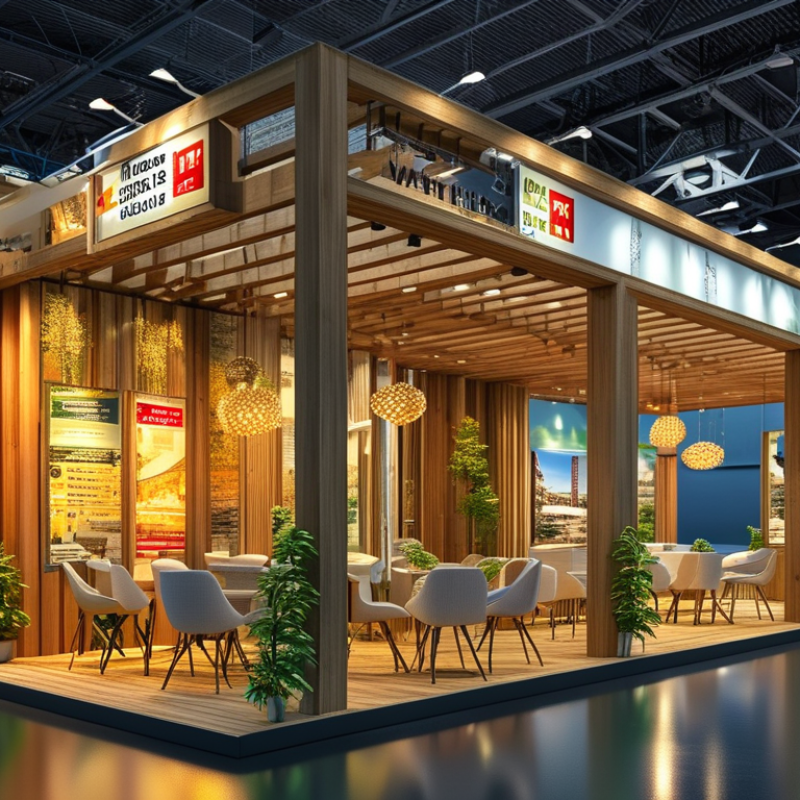
An exhibition stand is a crucial element in trade shows. Its primary purpose is to showcase products and services while attracting potential clients. According to a report by the Exhibition Industry Association, 81% of attendees have purchasing authority. This highlights the importance of a compelling stand design to captivate decision-makers.
Crafting a stand that reflects brand values is vital. A well-designed space draws visitors in and encourages interaction. Research by Statista indicates that 73% of marketers believe trade shows are critical for achieving business goals. This suggests that not only aesthetics matter; functionality plays a significant role as well. An effective exhibit should have clear layouts that guide visitors and create immersive experiences.
However, not all stands succeed. Some may lack engagement or fail to convey the brand message effectively. Reflecting on past exhibitions, it’s clear that poor planning can result in missed opportunities. Each detail matters, from lighting to layout. A thoughtful approach can transform an average stand into a memorable experience, increasing ROI and brand recall.
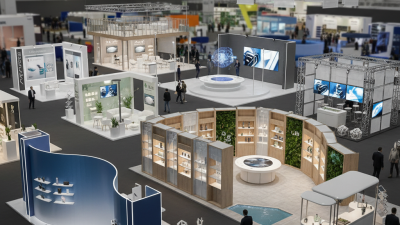
Exhibition stands come in various forms, each catering to specific needs and objectives. Understanding these options helps in making informed choices. Custom-built stands offer flexibility and branding opportunities. They allow businesses to showcase unique designs and items. Pre-formed stands provide convenience and quick setup. These options are ideal when time and affordability are important.
Pop-up stands are a popular choice due to their portability. They are lightweight and easy to transport, making them suitable for smaller events. Banner stands, on the other hand, are effective for conveying straightforward messages with minimal space. Despite their simplicity, they can attract significant attention.
Finding the right exhibition stand is about assessing your goals and budget. Some may find that a high-end custom solution exceeds expectations. Others might realize that simpler options meet their needs just as well. It's crucial to consider the audience, branding, and message. Each stand type presents unique advantages and potential challenges. Careful reflection on these factors can lead to an effective exhibition strategy.
| Type of Stand | Description | Advantages | Disadvantages |
|---|---|---|---|
| Pop-Up Stand | A portable stand that uses lightweight materials and is easy to set up. | Easy to transport, quick setup, affordable. | Limited size and impact compared to larger stands. |
| Modular Stand | Flexible combines various modules for custom shapes and sizes. | Customizable, reusable, adaptable to different spaces. | Can be more expensive and requires more assembly time. |
| Shell Scheme Stand | Basic structure provided by the venue with walls, a table, and lighting. | Cost-effective, no construction needed, straightforward setup. | Limited branding opportunities and customization. |
| Custom Stand | Designed specifically for the client's needs, fully branded and unique. | Highly personalized, maximum impact, tailored to audience. | Most expensive option with longer lead times for construction. |
| Tabletop Display | Small display that sits on a tabletop, suitable for smaller spaces. | Easy to transport, less expensive, ideal for small events. | Limited space for branding and materials, less impact. |
Choosing the right exhibition stand requires careful consideration of several key factors.
Space is the first aspect to evaluate. Understand the dimensions of your exhibition area.
Larger stands can showcase more products but may overwhelm visitors. A compact design encourages interaction.
Think about your brand’s message as well. It should resonate clearly with your audience.
Next, consider the type of materials. Options range from lightweight structures to robust designs.
Each material influences the stand's durability and visual appeal. Aesthetics matter, but so does practicality.
Reflect on how easy it is to set up and dismantle. Complex stands may lead to frustration.
Budget is another critical element. A high price tag doesn't always guarantee a better stand.
Reflect on past experiences to determine what worked and what didn’t. Make a list of must-have features.
This approach allows for better decision-making. Balancing cost with quality can be challenging, but it’s essential for successful exhibitions.
Designing an effective exhibition stand requires careful consideration of layout and flow. Statistics show that 70% of visitors spend less than a minute at each exhibition booth. Therefore, it’s crucial to grab attention immediately. This begins with a well-thought-out layout that invites visitors in.
One important aspect is the use of space. A cluttered design can overwhelm attendees. Keeping pathways clear and maintaining a welcoming setup will enhance engagement. According to a recent report, booths with open layouts see 40% more foot traffic. Think about using color psychology to influence emotions, as colors can evoke distinct feelings.
**Tips:** Use bold colors for visibility. Aim for balance and harmony in your design choices.
Additionally, create distinct zones within your stand. Having areas for interaction, demonstrations, and relaxation can improve the visitor experience. However, it’s imperative to reflect on usability. Oversized displays might look appealing but can hinder movement. Regularly test your layout with mockups to identify bottlenecks.
**Tips:** Involve your team in layout discussions. Their insights are invaluable for practical adjustments.
Budgeting for your exhibition stand requires careful planning and a clear understanding of costs. A well-designed stand can attract visitors and boost your brand’s visibility. However, costs can vary widely. Factors influencing the budget include size, materials, and design complexity. A small, simple stand can be affordable, while large, intricate designs may stretch your budget.
Assessing value is just as critical as evaluating costs. Consider what you want to achieve at the exhibition. Goals can range from lead generation to brand awareness. A high-cost stand could provide more engagement but may not guarantee returns. Reflect on past exhibitions. Did a simpler stand serve your purpose better? Understanding your objectives helps in making informed decisions.
Allocate funds for unexpected expenses. Often, the smallest features can lead to higher costs. For instance, additional lighting or technology integration can enhance engagement but may strain your budget. Evaluate how each expense aligns with your overall goals. Remember, the right exhibition stand is not about the highest cost but achieving the best value for your investment.