10 Essential Tips for Choosing the Best Display Stand?
In the ever-evolving landscape of retail, selection of a suitable display stand is crucial. Research by the International Retail Association showed that effective merchandising can boost sales by up to 30%. Display stands play a vital role in capturing consumer attention and enhancing brand visibility. The design and functionality of these stands can directly influence customer buying behavior.
However, choosing the right display stand can be challenging. Factors like material, design, and size must align with your product and target audience. A poorly chosen display stand may hinder sales rather than promote them. Reports indicate that 45% of consumers decide the effectiveness of a display stand in mere seconds. This underscores the need for a thoughtful approach when making your choice.
There is often pressure to conform to trends without aligning them with brand identity. Too many options can lead to decision fatigue. It’s important to reflect on the purpose of the display stand and its role in your overall marketing strategy. Ultimately, making informed choices will enhance customer engagement and drive sales.

Understanding the Different Types of Display Stands Available
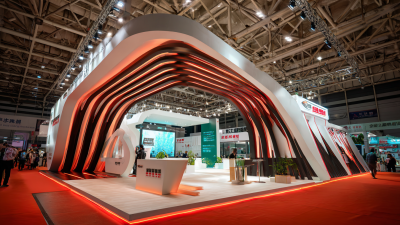
When selecting a display stand, understanding the various types available is crucial. There are multiple kinds of stands on the market, including pop-up displays, banner stands, and modular displays. Each type serves different needs and environments. For instance, pop-up displays often work well for large events, offering visual impact. According to a recent industry report, pop-up displays can increase visibility by up to 80% at trade shows.
Banner stands, on the other hand, are portable and easy to set up. Ideal for smaller events, they can provide a quick branding solution. It's essential to consider their material and finish, as these factors affect durability. Reports suggest that high-quality materials can enhance lifespan and maintain professionalism, reducing replacement costs over time. Modular displays offer customization, appealing to brands looking for flexibility in presentation.
Choosing the best display stand involves evaluating your audience and space. A stand that works in one environment might not be suitable in another. Prospective buyers must not overlook how different stands can represent their brand. Clarity in messaging and quality presentation matter significantly. It's a balancing act between cost and functionality.
10 Essential Tips for Choosing the Best Display Stand
| Tip Number |
Tip |
Type of Display Stand |
Best Use Case |
| 1 |
Consider the Material |
Wood, Metal, Acrylic |
Durability and aesthetic appeal |
| 2 |
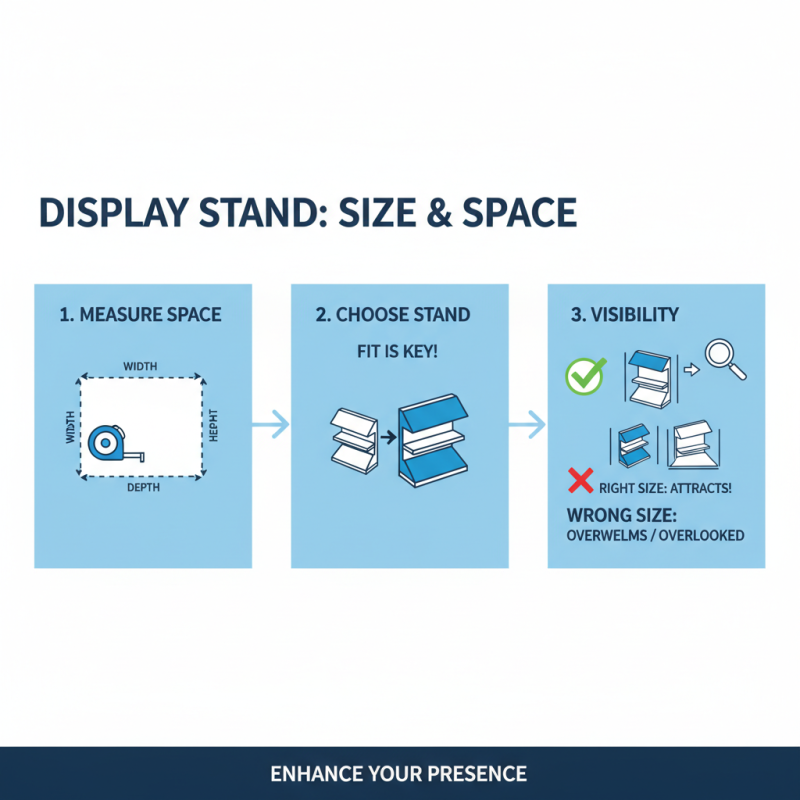
Assess Size Requirements |
Freestanding, Countertop |
Available space at venue |
| 3 |
Evaluate Mobility Options |
Foldable, Wheeled |
Events or temporary setups |
| 4 |
Focus on Branding |
Custom Printed Stands |
Promotions and marketing |
| 5 |
Check Weight Capacity |
Heavy-Duty Stands |
Showcasing large products |
| 6 |
Look for Adjustable Features |
Height Adjustable |
Versatility in display |
| 7 |
Prioritize Ease of Assembly |
Tool-Free Setup |
Quick setups for events |
| 8 |
Consider Environmental Conditions |
Outdoor vs Indoor Stands |
Sturdiness against weather |
| 9 |
Incorporate Lighting |
Illuminated Stands |
Highlighting products |
| 10 |
Budget Considerations |
Cost-Effective Options |
Value for cost |
Evaluating Material Options for Durability and Aesthetic Appeal
When selecting a display stand, the choice of materials significantly impacts both durability and aesthetic appeal. Different materials offer various benefits and drawbacks. For example, metal stands are known for their strength and longevity but can come off as cold or industrial. Wood, on the other hand, provides warmth and visual appeal but may require more maintenance to withstand wear and tear.
A recent industry report noted that nearly 70% of consumers are influenced by a display’s material quality in purchasing decisions. Acrylic stands have surged in popularity due to their versatility. They are lightweight and can be molded into creative shapes, making them ideal for eye-catching displays. However, they can scratch easily, which may affect their long-term aesthetic value. Consider the environment in which the stand will be used. Factors like humidity, exposure to sunlight, and even foot traffic play a crucial role in the material's longevity.
Sustainability is also a growing concern. Consumers are increasingly favoring eco-friendly materials. Bamboo is an excellent option, offering durability with a lower environmental impact. Yet, it can be challenging to find high-quality bamboo products that do not compromise stability. Balancing these elements can be complex but essential for making an informed choice about your display stand.
Material Options for Display Stands: Durability vs Aesthetic Appeal
This chart compares different material options for display stands based on their durability and aesthetic appeal ratings. Wood and metal rank high in durability, while acrylic stands out for aesthetic appeal.
Considering the Target Audience and Product Type in Your Choice
Choosing a display stand involves understanding your target audience and the type of product you are promoting. Consider who will interact with your display. Are they children, adults, or seniors? Each group has unique needs and preferences. For example, bright colors and playful designs attract children, while sleek and minimalistic styles may appeal to adults. Think about how these choices reflect your product’s identity as well.
The product type also heavily influences your display decision. Fragile items require sturdy stands with protective features. For clothing, look for adjustable racks that can showcase various sizes. Electronics benefit from stands that allow for easy accessibility, inviting customers to interact with the product. Reflect on whether these choices highlight your product’s strengths or if they miss the mark. Misalignment can lead to a poor customer experience. Aim for a design that feels intuitive and inviting, ensuring it draws attention and communicates value effectively.
Budgeting: Balancing Quality and Cost When Selecting a Display Stand
When selecting a display stand, budgeting is crucial. Balancing quality and cost ensures you make a wise investment. A display stand should not only fit your budget but also meet your functional requirements.
Look for materials that offer durability without breaking the bank. Cheap options may save money, but they might compromise presentation quality.
Consider the purpose of your display stand. If it’s for a trade show, durability is key. For temporary events, lower-cost stands may suffice. Assess the overall design. An attractive stand can draw attention and enhance your brand image.
Aim for a blend of aesthetic appeal and practical functionality.
Evaluating hidden costs is important. Do not overlook shipping fees or assembly costs.
Quality often comes with a higher price tag, but sometimes it’s worth it. Investing in a reliable display can lead to better brand exposure over time.
Be wary of flashy designs that may not deliver on practicality. Seek feedback from users who have experience with different stands. Making informed choices leads to satisfaction in the long run.

 Contact Us