Top 10 Essential Features of a Standard Exhibition Booth You Need to Know
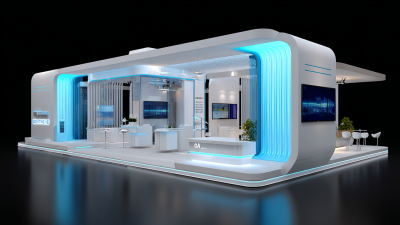
In the dynamic landscape of trade shows and exhibitions, the design and functionality of a Standard Exhibition Booth play a crucial role in attracting potential clients and partnerships. Research indicates that 83% of exhibitors believe that booth design significantly impacts attendee engagement, and a well-crafted booth can increase lead generation by up to 30% (Exhibitor Media Group, 2021). As industries evolve, so do the expectations of attendees, making it essential for businesses to stay abreast of the must-have features that facilitate meaningful interactions and enhance visibility.
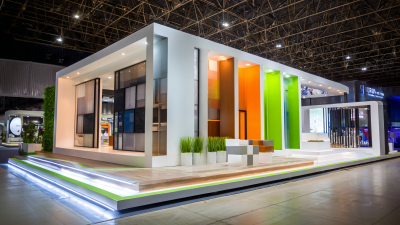
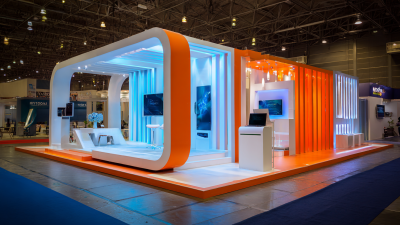
A Standard Exhibition Booth typically serves as a company's first impression in a competitive environment, emphasizing the need for strategic planning and execution in its design. Some industry studies reveal that exhibitors who invest in high-quality booth features often report higher satisfaction rates among attendees, leading to a compelling return on investment. Key elements, such as effective branding, interactive displays, and practical layouts, contribute to an engaging experience that resonates with the audience. Understanding these essential features is not just beneficial but imperative for businesses aiming to maximize their impact at industry events.
Essential Considerations for Space Optimization in Exhibition Booth Design
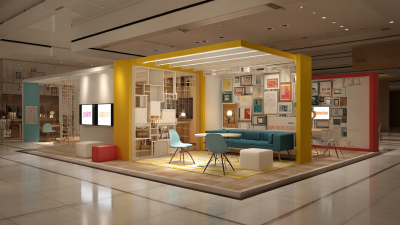
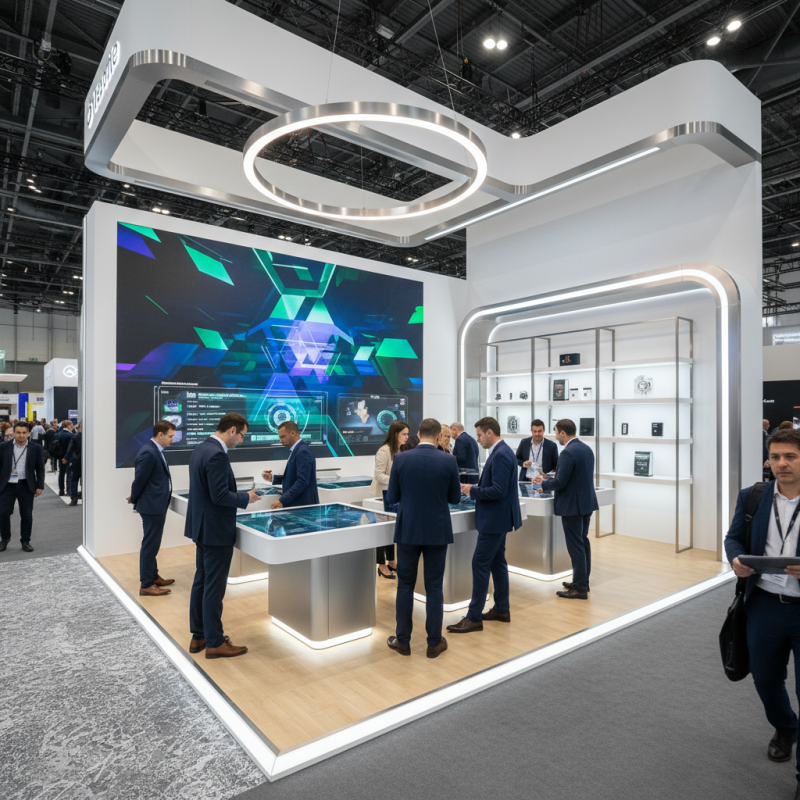
When designing an exhibition booth, one of the primary considerations is space optimization. A well-optimized space not only attracts visitors but also ensures that every square foot is utilized effectively. The layout should facilitate easy movement for attendees while allowing for prominent product displays and interaction zones. Incorporating various levels or zones can create a dynamic environment that encourages exploration and engagement. Modular design elements, such as movable partitions, can help in reconfiguring the space to suit different needs throughout the event.
Moreover, effective use of vertical space is crucial in making a booth feel more expansive. Hanging signage or displays can draw the eye upward, making the booth more visible and inviting from a distance. Integrating storage solutions that do not disrupt the flow of the booth is essential; hidden compartments ensure that promotional materials and personal items are accessible without cluttering the display area. By focusing on these elements, exhibitors can create a welcoming environment that maximizes their impact and enhances visitor interaction.
Effective Branding Strategies for Maximizing Impact at Trade Shows
Effective branding strategies play a crucial role in maximizing the impact of your exhibition booth at trade shows. First and foremost, it is essential to create a coherent visual identity that resonates with your target audience. This includes using consistent colors, fonts, and imagery that align with your brand message. A well-designed booth should reflect your brand’s personality and ethos, capturing the attention of attendees as they walk by. Utilizing high-quality graphics and signage can help communicate your unique selling propositions quickly and effectively.
In addition to visual elements, engaging storytelling can further enhance your brand’s presence at trade shows. Craft narratives that highlight your brand’s journey, mission, and the benefits of your products or services. Incorporating multimedia elements, such as videos or interactive displays, can draw in visitors and keep them engaged. Furthermore, having knowledgeable staff on hand to share your brand’s story can create a personal connection with attendees, making your booth more memorable. By integrating these effective branding strategies, you can create a lasting impression that translates into valuable leads and partnerships.
Key Technological Integrations That Enhance Visitor Engagement
When designing a standard exhibition booth, integrating advanced technology can significantly enhance visitor engagement. A recent report indicates that 70% of participants at trade shows value innovative experiences and technology demonstrations. Utilizing interactive elements such as augmented reality (AR) and virtual reality (VR) can captivate attendees and create memorable interactions that extend beyond the event. By allowing visitors to visualize products in a dynamic environment, AR and VR not only attract crowds but also help in better conveying the value proposition of showcased offerings.
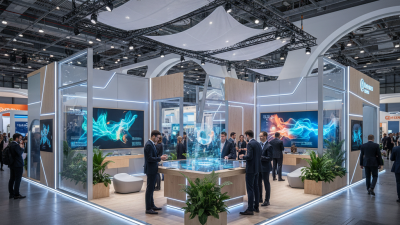
In addition to immersive technologies, incorporating digital displays and touchscreens can provide instant access to information, allowing visitors to learn more about products at their own pace. Data from industry surveys reveal that booths featuring digital interactions see up to a 50% increase in visitor retention. Engaging content on these screens can range from product tutorials to live demonstrations, helping to create a connection with potential clients.
Tip: To maximize engagement, ensure that your technology is user-friendly and intuitive. Prioritize seamless navigation and provide staff who are knowledgeable about the tech to assist visitors. Another key tactic is to encourage social media sharing by integrating shareable experiences, which can amplify your booth's visibility beyond the event.
The Importance of Lighting in Creating an Inviting Exhibition Atmosphere
Lighting plays a crucial role in creating an inviting atmosphere at exhibition booths, significantly impacting visitor engagement and overall experience. According to a study published by Event Marketer, nearly 50% of attendees are drawn to a booth due to its lighting. This statistic emphasizes the importance of strategic illumination in enhancing both visibility and aesthetic appeal. Proper lighting can highlight key products, create focal points, and draw attendees into the booth, ultimately boosting foot traffic and interaction.
Furthermore, a report from the International Association of Exhibitions and Events (IAEE) indicates that booths designed with effective lighting solutions see a 30% increase in attendee interaction when compared to those with standard lighting. This improvement stems from the psychological effects of lighting on mood and perception. Warm, inviting lights tend to foster a sense of comfort, encouraging potential clients to spend more time engaging with the exhibition materials. Conversely, overly harsh or dim lighting can create an unwelcoming environment, leading attendees to bypass exhibits altogether. Thus, investing in quality lighting not only accentuates a booth's visual appeal but also enhances the overall attendee experience, making it a fundamental feature of successful exhibition design.
Budgeting Wisely: Cost-Benefit Analysis for Booth Features and Amenities
When planning your exhibition booth, it's essential to focus on a cost-benefit analysis for each feature and amenity. By budgeting wisely, you can maximize your investment while ensuring your booth stands out. Consider the primary objectives of your event participation—whether it's brand awareness, lead generation, or networking—and allocate funds based on what will yield the best results.
Essential features such as eye-catching graphics, interactive elements, and comfortable meeting spaces can draw in attendees, but they also come with varying costs. Understanding the potential return on investment for each feature will help you make informed decisions.
Tips: Prioritize features that align with your goals. For instance, if your aim is to generate leads, interactive kiosks or digital displays may justify their price by encouraging attendee engagement. Also, consider the longevity of booth components. Investing in high-quality materials may be more expensive upfront, but they can pay off in the long run through multiple uses across events.
In addition to booth design, think about the amenities you want to include. Elements such as seating, refreshments, and tech support not only enhance the visitor experience but can also create a welcoming environment that encourages longer stays and deeper conversations.
Allocate a portion of your budget to these amenities, weighing their cost against the increased likelihood of building connections and fostering relationships.

 Contact Us