Top Tips for Effective Exhibition Display Design?
Creating an impactful Exhibition Display can make or break your presence at an event. A well-designed display attracts visitors and leaves a lasting impression. The right approach involves more than just beautiful graphics; it requires strategy and thoughtfulness.
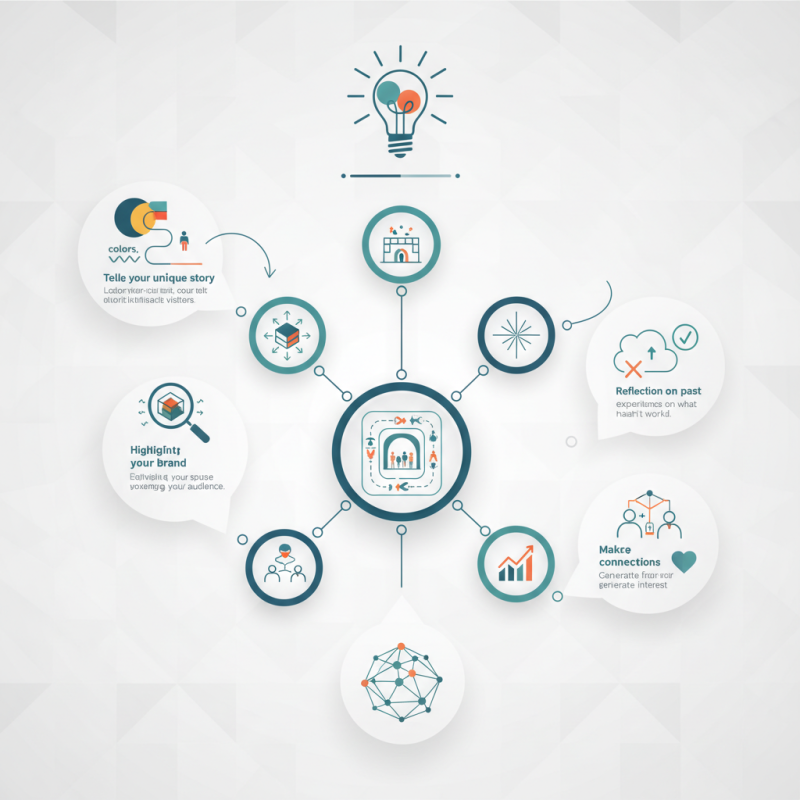
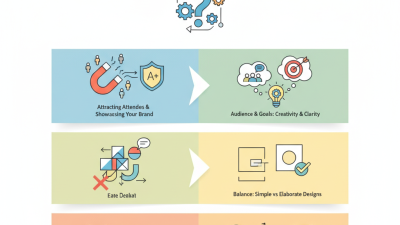
Colors, layout, and lighting all play significant roles. Your display should tell your unique story, drawing attendees in. Think about how to highlight your brand effectively and engage your audience from afar. This can be tricky. What works on paper might not resonate in person.
Consider your space and the flow of traffic. Are visitors easily navigating your area? Reflection on past experiences is valuable. Analyze what hasn’t worked before and learn from that. A successful Exhibition Display is not just about aesthetics; it's about making connections and generating interest.
Understanding the Importance of Exhibition Displays in Brand Visibility
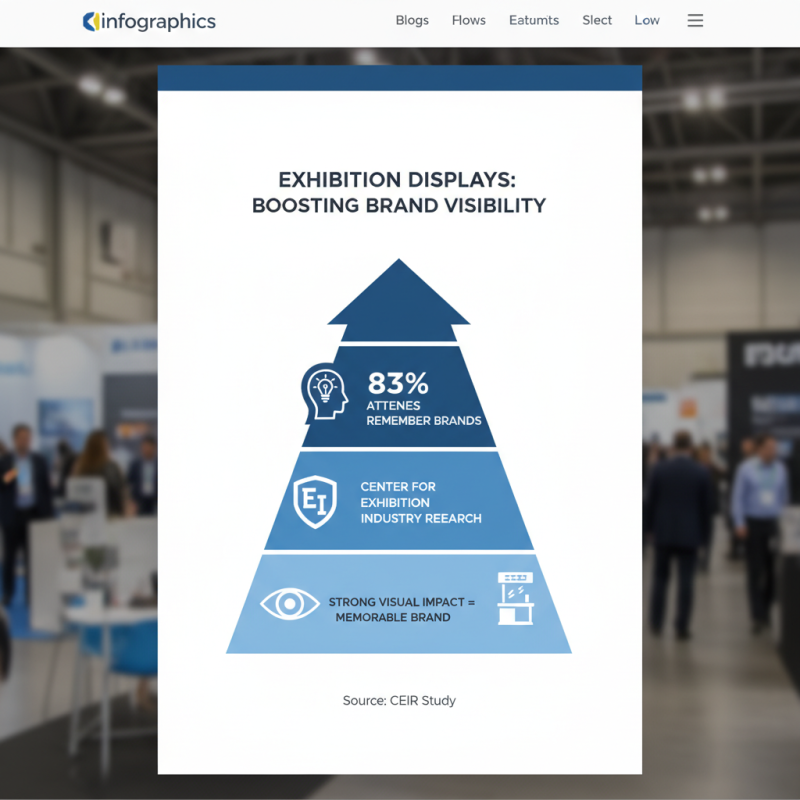
Exhibition displays play a crucial role in enhancing brand visibility. A study by the Center for Exhibition Industry Research found that 83% of attendees remember the brands they see at exhibitions. This statistic underscores the significance of making a strong visual impact. Effective design not only captures attention but also communicates the essence of a brand quickly and clearly.
However, many exhibitors overlook key elements. Simple, clutter-free designs often perform better than complex setups. Clear messaging is essential. According to a report by Exhibitor Media Group, 88% of attendees are influenced by visual elements. Yet, many displays fail to convey their message promptly. It's a reminder that less can often be more.
Innovative features, like interactive displays, can also enhance engagement. Yet, implementing these can come with challenges. Balancing creativity with clarity is vital. It's easy to get lost in intricate designs and forget the message. Refining your display requires continuous reflection and adjustment to ensure it aligns with your brand values and goals.
Key Elements of Design: Color, Layout, and Graphics in Exhibitions
Color plays a vital role in exhibition display design. It can attract attention and convey emotions. Bright colors often draw in visitors, while muted tones create a calm atmosphere. Choosing the right color palette requires thoughtful consideration. Colors should align with the brand’s message and the target audience’s preferences. This harmony enhances visual appeal.
Layout is equally crucial. A well-organized space allows for easy navigation. Visitors should flow through the exhibition intuitively. Avoid clutter. Open spaces invite exploration, while cramped areas may deter engagement. Think about the placement of key elements. Positioning important displays at eye level can maximize visibility.
Graphics enhance the overall message. High-quality images and clear text are essential. Avoid overcrowding with too much information. Clear, concise messaging works best. Use impactful visuals that tell a story. However, always reflect on what works and what doesn’t. Sometimes, less is more. Regular assessments can lead to continuous improvement in design strategies.
Top Tips for Effective Exhibition Display Design
Utilizing Technology: Interactive Displays for Enhanced Engagement
Interactive displays can significantly boost engagement at exhibitions. They invite visitors to participate and create memorable experiences. Incorporating touch screens or virtual reality elements can draw people in. These modern approaches can transform a static booth into a dynamic environment.
Tip 1: Keep content concise. People often have limited attention spans. Use short, bold statements or questions to spark curiosity. Visual elements should complement the text, not overwhelm it.
Tip 2: Use real-time data to create a sense of urgency. Show live statistics, feedback, or polls that visitors can interact with. It can foster discussions and keep people returning to your booth.
Tip 3: Encourage social sharing. Design displays that prompt visitors to take photos or share their experiences online. This not only increases your reach but makes visitors part of your brand story.
Remember, simplicity is key. Strive for clarity in your displays. Reflect on what elements work best and how you can adjust for future exhibitions.
Measuring Success: Metrics to Evaluate Display Effectiveness
Measuring the effectiveness of your exhibition display can be challenging. Start with foot traffic. Count the number of visitors daily. This metric shows how well your display attracts attention. But a high count doesn’t always mean success. Not every person who walks by engages with your message. It’s crucial to track interactions too. Monitor how many people stop to inquire or discuss your offerings.
Surveys are another useful tool. Ask attendees about their experiences. Simple questions yield valuable insights. For instance, did they find the display appealing? Were they able to understand your message? Gathering such feedback helps improve future designs. Analyzing social media interactions adds another layer of understanding. Likes, shares, and comments reveal audience perceptions. However, be cautious; online buzz doesn’t always reflect true engagement at the booth.
Keep in mind that metrics can be misleading. A high engagement score might stem from merely eye-catching visuals. Depth of conversation matters more than surface-level interest. At times, you may find that despite numerous visitors, there’s little interest in your product. Reflect on these outcomes and adjust your approach. Each exhibition offers an opportunity to learn and evolve.
Budgeting for Impact: Cost-Effective Strategies for Exhibition Design
Budgeting for an exhibition can be a daunting task. It’s essential to balance impact with costs. Start by assessing your overall budget clearly. Estimate expenses for design, materials, and transportation. A detailed plan can help you identify areas to cut costs without sacrificing quality.
Choose materials wisely. Lightweight options not only save on shipping but also can be more affordable. Consider renting display elements. This approach can significantly reduce costs. Reusable components are another smart move. They are often cheaper long-term and can be customized for different events. Think about DIY solutions for smaller displays.
Lastly, don’t forget to leverage digital platforms. Virtual displays can enhance your reach at a lower price. A well-designed website or social media presence can draw attention without the need for expensive physical elements. Reflect on your target audience when designing. Sometimes, simplicity speaks louder than elaborate setups. Reevaluate and adjust as needed to achieve the best possible outcome.
Top Tips for Effective Exhibition Display Design
| Design Element |
Description |
Cost-Effectiveness |
Impact Level |
| Lighting |
Utilize LED lights to enhance visibility and draw attention. |
Low Cost |
High |
| Interactive Displays |
Engage visitors with touch screens or VR experiences. |
Medium Cost |
Very High |
| Modular Design |
Use reconfigurable displays for different layouts. |
Cost-Effective |
Medium |
| Branding Elements |
Incorporate logos and color schemes to reinforce brand identity. |
Low Cost |
High |
| Sustainable Materials |
Opt for eco-friendly materials for displays. |
Variable Cost |
Medium |

 Contact Us