How to Design an Effective Exhibition Stall for Maximum Impact?
Creating an impactful exhibition stall is crucial for any brand. Expert designer Sarah Johnson emphasizes, “A stall must tell a story.” This highlights the importance of narrative in engaging visitors. An effective exhibition stall does more than display products. It creates an experience that resonates with the audience.
Design choices in an exhibition stall significantly affect brand perception. Color, layout, and lighting can draw in or deter potential clients. For instance, bright colors can attract attention, but they may also overwhelm. It’s essential to balance appeal with clarity. An effective stall invites visitors to explore, yet maintains a clear message.
Moreover, interaction is key. Attendees seek connection, not just information. Incorporating interactive elements can enhance engagement. However, one must avoid cluttering the space. Each element in the exhibition stall should have a purpose. The challenges in design often lead to valuable insights. Learning what works and what doesn’t is part of the creative process. A well-thought-out stall can leave a lasting impression, making every inch count.
Identifying the Objectives of Your Exhibition Stall Design
Designing an effective exhibition stall starts with clear objectives. These objectives define your vision and set the foundation for all design elements. Research shows that 80% of successful exhibitors have well-defined goals. These can range from lead generation to brand awareness.
Identifying your main goals is essential. For instance, if your aim is lead generation, your design should facilitate easy interactions. Consider integrating technologies like QR codes or touch screens. According to industry reports, booths with interactive elements can increase visitor engagement by up to 50%. However, not all designs hit the mark. Many exhibitors fail to communicate their brand effectively, resulting in lost opportunities.
Moreover, aesthetics should align with your objectives. A visually pleasing design attracts attention, but it must also convey your message clearly. If your stall looks cluttered, visitors may feel overwhelmed. Studies indicate that 70% of attendees form opinions about your brand based on booth design alone. Reflecting on these aspects helps you optimize your exhibition stall for impactful results.
Understanding Your Target Audience and Their Preferences
Designing an effective exhibition stall centers on understanding your target audience and their preferences. Identify who they are. What interests them? Tailoring your stall to their expectations can enhance engagement.
To draw in your audience, focus on visual appeal. Use vibrant colors and clear signage. This helps create first impressions. Ensure the layout is open and inviting. People need to feel welcome to stop by. Avoid clutter. Simplicity can often lead to better communication.
Here are some tips: Engage actively with attendees. Offer interactive experiences. This keeps them interested and enhances recall. Gather feedback through quick surveys. Understand what worked or failed. Analyze this data for future exhibitions. Remember, the goal is not just to attract visitors but also to build lasting connections.
Integrating Branding Elements for Visual Cohesion
Creating a visually cohesive exhibition stall begins with integrating branding elements effectively. Research shows that consistent branding can increase revenue by 23%. Your design should reflect your brand's identity, using colors and logos that resonate with your target audience. Consider the psychological effects of color. For example, blue evokes trust, while red can create excitement. Aligning these choices with your brand message is crucial.
Space plays a vital role in exhibiting. Data indicates that 90% of organizations prioritize layout in their designs. A cluttered stall can detract from your message. Instead, aim for a clean, open space where your branding is prominent. Use signage that reinforces your brand, ensuring it's visible from various angles. Interactive elements can also engage visitors. Evolving your booth based on user interaction data can help refine future designs.
Reflect on your past exhibitions. Did your branding resonate? What elements drew in crowds? Gathering feedback is essential. Regular assessment allows for improvements and adaptations. Strive for a balance between creativity and clarity. Design should invite engagement, not confuse. Consider these aspects carefully to maximize your stall's impact.
Impact of Branding Elements on Exhibition Stall Engagement
Utilizing Space Effectively for Visitor Engagement
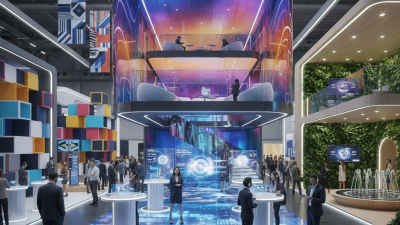
Designing an effective exhibition stall requires a keen understanding of space utilization. A well-organized booth draws in visitors and enhances engagement. Begin by considering the flow of foot traffic. Open layouts that allow easy movement encourage more people to stop by. Strategically placed displays can highlight your key messages while inviting curiosity.
Incorporate interactive elements. Visitors are more likely to engage with your stall if they can touch, see, or participate in something. Simple activities or digital screens can boost interaction. Ensure your design adds visual appeal. Bright colors and clear signage can make your stall inviting. However, avoid overcrowding. Too many elements can overwhelm and detract from your core message.
Reflect on your layout choices. Are you using every inch wisely? Is the design intuitive? It’s crucial to balance aesthetics with functionality. Make adjustments based on how visitors interact with your space. This feedback can provide insights for future exhibitions. Remember, what works this time may need refining next time.
Incorporating Technology to Enhance Interaction and Experience
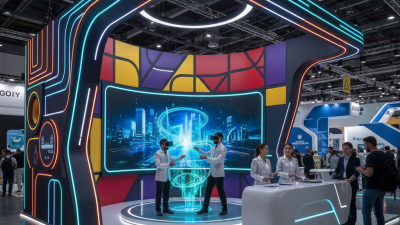
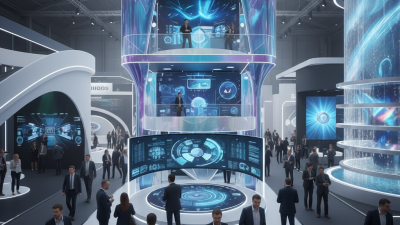
Incorporating technology into exhibition stalls can significantly enhance visitor interaction and overall experience.
For instance, touchscreens can provide dynamic content engagement.
Attendees may explore product details at their own pace.
Virtual reality (VR) can transport visitors to different environments.
This immersive experience draws in potential clients more effectively than traditional displays.
Additionally, consider integrating QR codes.
They can lead to further information or promotional materials on mobile devices.
This ease of access makes it convenient for visitors to connect with your brand later.
Live social media feeds can also create a buzz around your stall.
Visitors may feel more inclined to share their experiences online, expanding your reach.
While technology enhances interaction, it requires careful implementation.
Overwhelming visitors with too much technology can distract them.
Balance is crucial.
Analyze visitor behavior during the event to identify what works and what doesn't.
Reflecting on attendee engagement will guide improvements for future exhibitions.
This iterative process can elevate your stall design over time.

 Contact Us