How to Design an Effective Exhibition Stall that Attracts Buyers?
Designing an effective exhibition stall is crucial for attracting buyers. In 2023, 77% of attendees at trade shows reported that visually appealing stalls caught their attention, according to a study by the Event Marketing Institute. This highlights the importance of a well-designed space that stands out among competitors.
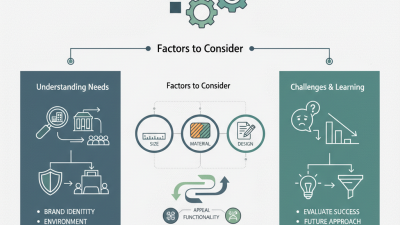
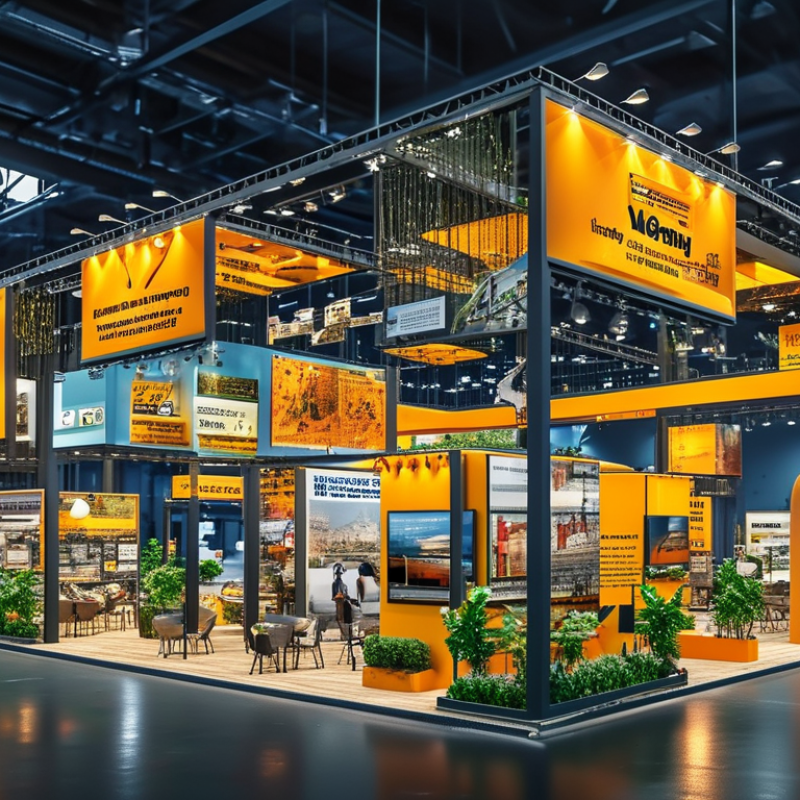
A successful exhibition stall combines creativity with strategic planning. Factors such as lighting, layout, and interactive elements play a significant role. For example, incorporating technology, like augmented reality, can enhance engagement. Nevertheless, some exhibitors overlook the basics of effective communication and branding. Clear messaging is essential to convey a company's value proposition swiftly.
Moreover, feedback from past exhibitions reveals common mistakes. Many stall designs lack a cohesive theme, leading to confusion. An effective stall should tell a story that resonates with potential buyers. Therefore, understanding your audience is critical. Balancing aesthetic appeal with informative content can significantly impact how buyers perceive your brand.
Understanding Your Target Audience for Exhibition Stall Design
Understanding your target audience is crucial for effective exhibition stall design. Research indicates that 81% of trade show attendees have purchasing authority. Knowing this, it’s essential to create an inviting atmosphere that caters to their needs. Focus on comfort, accessibility, and engagement to enhance their experience.
Tips: Use clear signage to guide visitors. This can help communicate your message quickly. Engage visually with bold graphics that reflect your brand's essence. Studies show that stalls with striking visuals can increase foot traffic by up to 35%. Ensure your stall layout encourages conversation and interaction. A welcoming design fosters connections and increases the likelihood of generating leads.
Recognizing the motivations of your audience can inform your design choices. A survey revealed that 73% of attendees seek new products. Therefore, showcase your offerings prominently. However, be mindful that overcrowded displays can deter potential buyers. Aim for a balance between information and aesthetics. Reflect on previous exhibitions; what worked well? What didn’t resonate? Continuously refine your approach based on feedback and results.
Key Elements of an Effective Exhibition Stall Layout
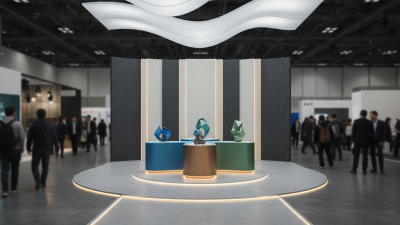
An effective exhibition stall layout plays a crucial role in attracting buyers. The design must facilitate easy navigation. Keep the pathway clear and open. Use engaging visuals at eye level. Bold colors and attention-grabbing graphics can captivate visitors instantly.
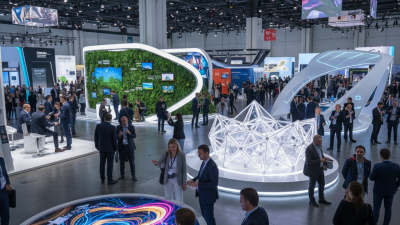
Incorporate focal points within your stall. These can be product displays or demo stations. Make sure these areas encourage interaction. People are drawn to stalls where they can touch, feel, or try out products. That sense of engagement is vital. Additionally, consider the placement of seating areas. Providing a space for casual conversations can lead to meaningful connections with potential buyers.
While aesthetics matter, functionality is key. Poor layout can confuse visitors. A cluttered stall can repel rather than attract. Regularly reassess your layout based on buyer feedback. Learning from past exhibitions is essential for improvement. Small changes can yield significant results. Use this feedback to refine your approach in future events.
Utilizing Visuals and Branding for Maximum Impact
In the realm of exhibitions, visuals and branding hold immense power. A striking stall design can capture attention within seconds. Research from the Event Marketing Institute shows that 83% of attendees remember brands that offer engaging visuals. This emphasizes the importance of using high-quality images, bold graphics, and entertaining displays.
Integrating effective branding elements is crucial. Consistent colors and logos should reflect your brand identity. A well-branded exhibit can boost recognition by up to 75%. Utilize lighting strategically to highlight key products. Dynamic elements like videos can add life and attract more foot traffic. However, overcomplicated designs can create confusion. Simplicity often wins. Too much information can overwhelm attendees, which may lead to disengagement.
Finding the right balance is a challenge. Regular feedback is vital to improve your exhibition strategy. Test different visual elements to see what resonates. Analyzing attendee behavior can also provide insights. Recognize that not every approach will work perfectly. Reflect on your results and adjust accordingly to enhance future exhibitions.
Incorporating Interactive Features to Engage Visitors
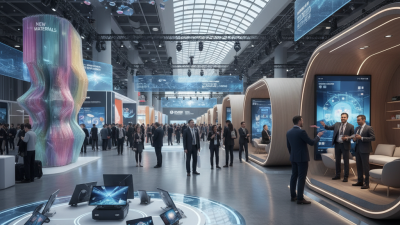
Creating an engaging exhibition stall requires attention to interactive features. These elements can greatly enhance visitor experience and foster connections. Consider incorporating technology, such as virtual reality or interactive displays. These tools captivate attention and encourage participation.
Tips:
- Use touch screens. They allow visitors to explore your offerings actively.
- Offer live demonstrations. This fosters a real-time connection with products.
- Include gamification elements. Simple games can engage visitors and make learning enjoyable.
Engagement goes beyond just technology. Visitors often appreciate personal interaction. Thus, train your staff to be approachable and knowledgeable. They should be ready to answer questions and share insights about your brand.
Remember, not every feature will work flawlessly. You may need to adjust based on visitor feedback. If a particular interactive display isn't attracting attention, rethink its placement or content. Adapting is key to a successful exhibition experience.
Effective Follow-Up Strategies Post-Exhibition to Convert Leads
Effective follow-up strategies post-exhibition are crucial for converting leads into buyers. According to a report by Statista, approximately 79% of marketing leads never convert into sales, primarily due to lack of effective follow-up. This highlights the importance of having a solid plan in place after the event.
One effective strategy is to segment your leads based on their interaction level during the exhibition. This allows you to tailor your communication. Personalized emails can improve engagement rates by 26%, as indicated by a study from Campaign Monitor. Ensure your messages reference specific conversations or interests expressed during the event.
Another crucial aspect is timing. Research shows that following up within 24 hours significantly increases the likelihood of lead conversion. Utilizing tools for reminders can help ensure timely contact.
Tip: Use automated tools to manage and categorize leads effectively. A straightforward tracking system can help prioritize follow-ups. Reflect on what worked and adjust your approach accordingly. Remember, not every lead will convert, but each interaction provides valuable insights for future exhibitions.
How to Design an Effective Exhibition Stall that Attracts Buyers? - Effective Follow-Up Strategies Post-Exhibition to Convert Leads
| Dimension |
Details |
| Stall Design |
Use vibrant colors and engaging visuals to attract visitors. |
| Interactive Elements |
Incorporate digital displays or live demonstrations to engage the audience. |
| Informational Materials |
Provide brochures, business cards, and other takeaways for visitors. |
| Lead Collection |
Use digital forms or business card drops to gather visitor information. |
| Post-Exhibition Follow-Up |
Send personalized emails to all collected leads within a week. |
| Engagement Techniques |
Offer exclusive discounts or invitations to webinars in follow-up communications. |
| Tracking Metrics |
Monitor engagement and conversion rates through follow-up actions. |

 Contact Us