How to Create an Effective Exhibition Display for Your Brand?
Creating an effective exhibition display for your brand is a vital task. According to John Smith, a renowned expert in the exhibition display industry, "Your display is the face of your brand." This insight highlights how crucial it is to make a lasting impression.
Designing a successful exhibition display involves more than just aesthetics. It needs to convey your brand message clearly. Visual elements should be engaging but not overwhelming. The layout should guide visitors naturally through your space. Remember, first impressions matter. Many brands overlook the importance of clear signage or overwhelming their space with clutter.
A well-planned exhibition display can draw in potential customers. However, it often requires reflection and adjustments after each event. Some displays may fail to attract attention or communicate effectively. Understanding these shortcomings offers growth opportunities. With thoughtful design and regular feedback, your exhibition display can become a powerful tool for brand recognition and engagement.
Understanding Your Target Audience for Effective Exhibition Displays
Understanding your target audience is crucial for creating an effective exhibition display. Start by defining who your audiences are. Are they young professionals, families, or tech enthusiasts? Each group has different needs and preferences. Tailor your display to resonate with them.
**Tip:** Use visuals that reflect your audience’s lifestyle. Bright colors may attract younger visitors, while cleaner designs appeal to older demographics.
Engage with potential attendees before the event. Use surveys or social media polls to gather insights. Knowing their interests allows you to customize your messaging effectively. Remember, it's not just about selling; it's about connecting.
**Tip:** Place interactive elements in your display. These can attract visitors’ attention and encourage them to spend more time at your booth.
Additionally, be open to feedback. Not every exhibit will resonate as expected. Be prepared to adapt aspects of your display based on real-time interactions. This flexibility could turn a missed opportunity into a valuable connection.
How to Create an Effective Exhibition Display for Your Brand? - Understanding Your Target Audience for Effective Exhibition Displays
| Audience Segment |
Age Group |
Interests |
Preferred Engagement |
Key Message |
| Young Professionals |
25-35 |
Networking, Career Development |
Interactive Workshops |
Empower Your Future |
| Small Business Owners |
30-50 |
Business Growth, Innovation |
Case Studies and Demos |
Maximize Your Potential |
| Students |
18-24 |
Education, Technology |
Engaging Presentations |
Your Future Starts Here |
| Corporate Clients |
35-60 |
Efficiency, ROI |
In-depth Consultations |
Driving Sustainable Profit |
Defining Your Brand Message and Objectives for the Exhibition
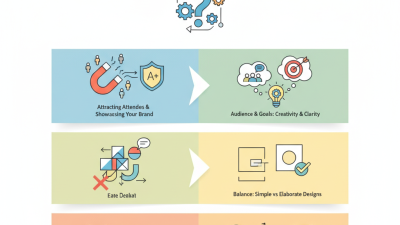
Defining your brand message is crucial before an exhibition. This message sets the tone of your display. It should resonate with your target audience. Think about what you want people to feel. Is it excitement, trust, or inspiration? Clarity here is key.
Tips: Create a brief statement. This will guide your design and communication. Keep it simple, an empowering phrase works best. Use visuals that complement your message. Colors, images, and fonts should align with your brand identity.
Your objectives for the exhibition should also be clear. Are you looking to generate leads or enhance brand awareness? Consider your goals and be realistic. Sometimes, objectives can seem too ambitious. Reflect on what truly matters for your brand's growth.
Tips: Begin with measurable goals. This way, you can evaluate your success post-exhibition. Knowing what you want helps streamline your display. You can avoid clutter and focus on impactful elements instead. Evaluate after the event to recognize what worked and what didn't.
Brand Awareness Before and After the Exhibition
Designing Visually Appealing and Functional Display Elements
Creating an effective exhibition display requires a balance of visual appeal and functionality. According to a recent industry report, nearly 70% of attendees remember the brands that left a strong visual impression. This highlights the need for well-designed display elements. Utilizing vibrant colors, clear graphics, and thoughtful layouts can engage visitors and draw them closer.
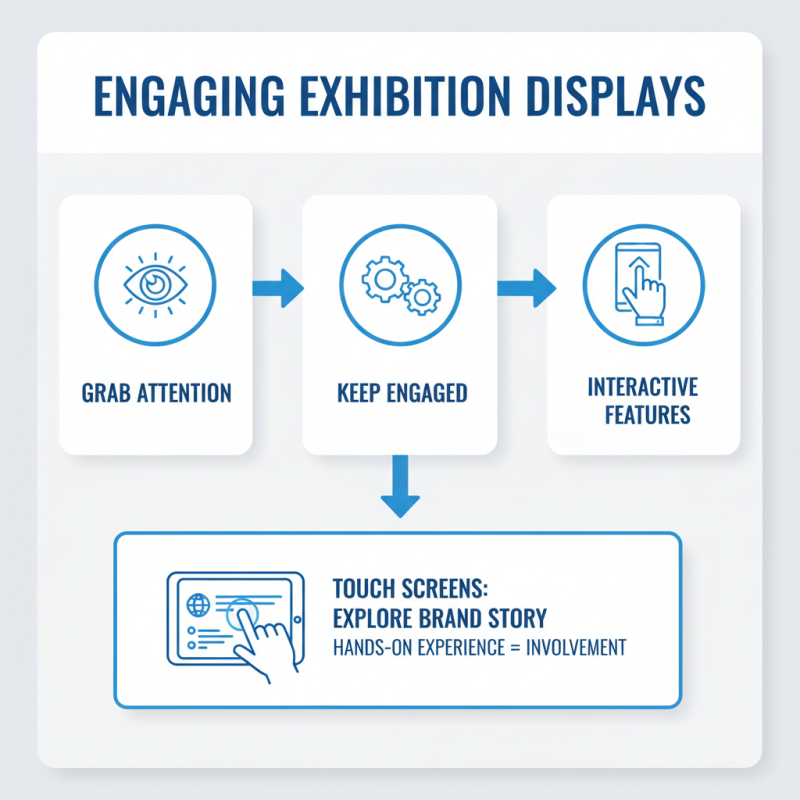
Incorporating interactive elements can significantly enhance user experience. For instance, touchscreens or QR codes can provide additional information. Reports indicate that interactive displays can increase engagement by up to 40%. However, some brands overlook the importance of clear navigation. A cluttered display can lead to confusion and disengagement, negating the benefits of interactivity.
Tip: Keep your message concise. Use bulleted points for clarity.
Moreover, functionality must not be sacrificed for aesthetics. Displays should be easy to set up and dismantle. A difficult setup can frustrate staff and lead to delays. According to survey data, simplicity in design is a common preference among exhibitors. Visitors favor displays that are easy to approach and understand, ensuring that they can connect with your brand quickly and effectively.
Tip: Test your display elements before the event. Gather feedback from colleagues.
Evaluating Success and Gathering Feedback Post-Exhibition
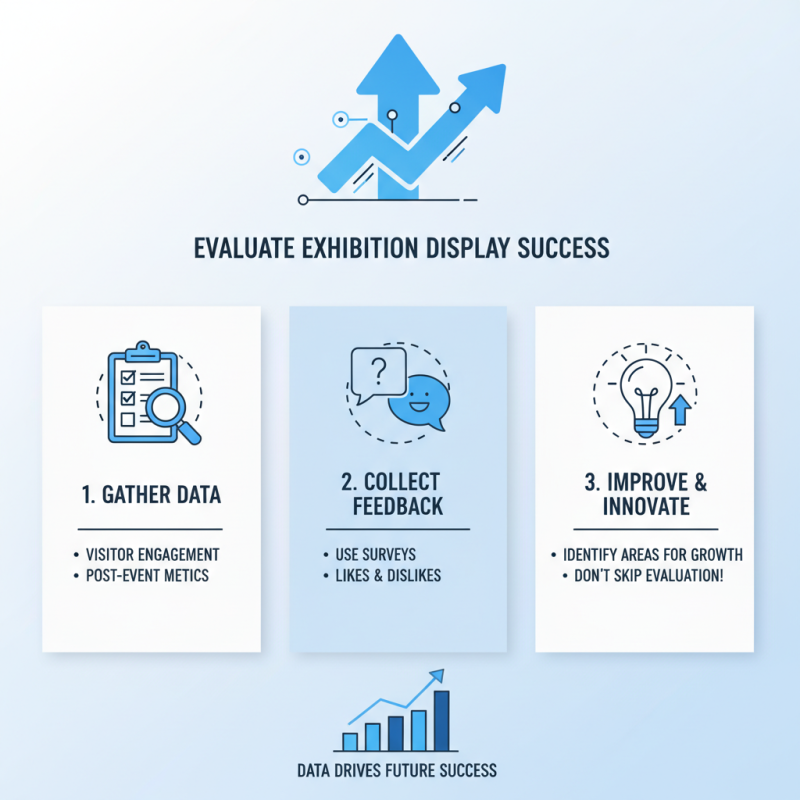
Evaluating the success of your exhibition display is crucial. After the event, gather data on visitor engagement. Use surveys to collect feedback. Ask attendees what they liked and disliked. This will help identify areas for improvement. Many brands overlook this step. They think a successful display needs no evaluation.
Metrics like foot traffic, interaction levels, and lead generation help gauge effectiveness. Track these numbers over time. Don’t just rely on superficial impressions. Numbers tell a more complete story. Sometimes, feedback may be harsh. That's okay. It indicates room for growth.
Consider hosting a debrief with your team. Discuss what worked and what didn’t. Reflect on the display's design and messaging. Were they clear to the audience? Explore how you can enhance the next event. Learning from imperfections enriches future exhibitions. Adjust accordingly, and watch your brand shine.

 Contact Us