How to Choose the Best Trade Show Exhibition Stands for Success?
Choosing the right Trade Show Exhibition Stands is crucial for success. These stands are often a company's first impression. They can attract or repel potential clients.
When designing your exhibition space, consider your audience. What do they expect? A well-designed stand reflects your brand's identity. It should entice visitors to engage with your products or services.
However, not all stands work for every business. Some may seem visually appealing but fail to deliver results. Think critically about your choices. A good stand should balance aesthetics and functionality. Reflect on what has worked before and what hasn’t. This careful evaluation can lead to better decisions for your next event.
Understanding the Importance of Trade Show Exhibition Stands
Trade show exhibition stands play a crucial role in attracting visitors and generating leads. They serve as the face of your brand at industry events. According to a report by the Center for Exhibition Industry Research, 83% of attendees find it easier to make decisions after visiting exhibits. This highlights the significance of a well-designed stand. It can influence purchasing decisions and enhance brand visibility in a competitive environment.
When selecting an exhibition stand, consider your brand’s goals. The design should resonate with your target audience. Colors and layout must reflect your message effectively. An impactful stand not only showcases your products but also creates an immersive experience for visitors. Research indicates that 86% of attendees come to trade shows to see new products. Your exhibition stand must grab their attention instantly.
**Tips:** Focus on simplicity. Cluttered designs can dilute your message. Use clear signage and engaging visuals. Additionally, ensure the stand is interactive. Activities can draw attendees in, making them more likely to engage with your brand. Highlight unique selling propositions to capture interest quickly. Don't underestimate the power of a welcoming space. A friendly environment encourages visitors to linger longer.
Trade Show Exhibition Stands Effectiveness by Type
Identifying Your Target Audience for Trade Show Success
Understanding your target audience is critical for trade show success. Knowing who you aim to attract can significantly shape your exhibition strategy. A recent report from the Exhibition Industry Association indicates that 84% of trade show attendees come with a specific goal in mind. If you don’t know your audience, you risk missing out on potential leads.
Once you identify your audience, tailor your exhibition stand to their preferences. For instance, research shows that 60% of attendees prefer interactive displays over passive presentations. Incorporating technology, such as virtual reality or engaging touchpoints, can enhance visitor experience. Yet, striking the right balance is vital; overcomplicating your booth may confuse attendees rather than engage them.
Consider demographics and industry trends when designing your exhibition space. Information from the Content Marketing Institute reveals that 70% of marketers emphasize content relevant to their target audience. Simply placing a banner with your logo is not enough. Reflect on how your display aligns with your audience's expectations and interests. Constantly adapt your strategy; what works today may not work tomorrow.
Selecting the Right Size and Layout for Your Exhibition Stand
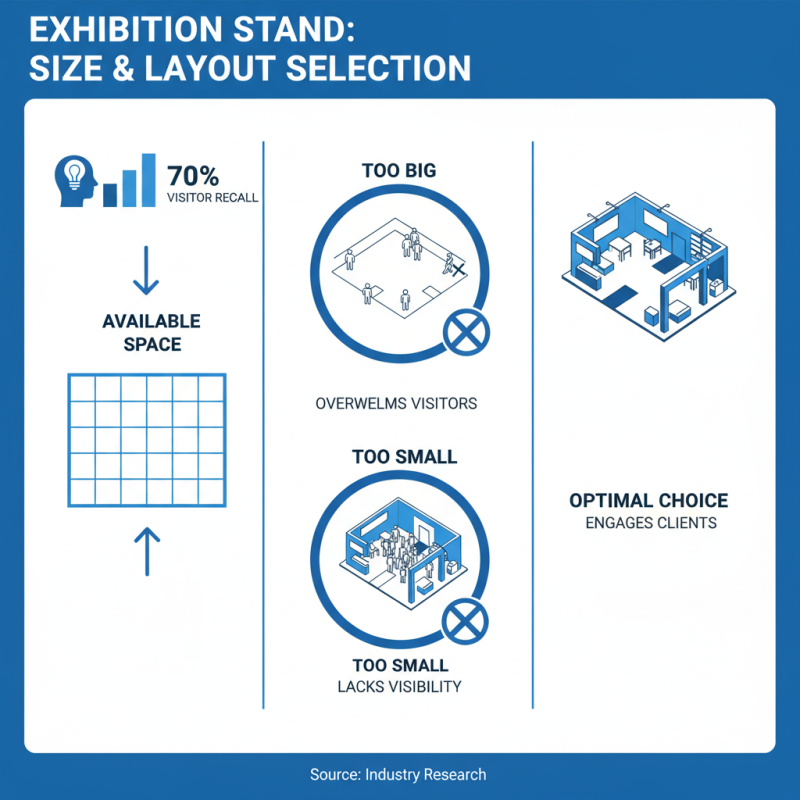
When selecting the right size and layout for your exhibition stand, it is essential to consider the space you have available. According to industry research, 70% of visitors remember the stands that effectively utilize their space. Choosing the correct size influences how easily potential clients can interact with your brand. An oversized stand may look impressive, but it can overwhelm visitors. Conversely, a stand that's too small risks losing visibility in a crowded area.
The layout is equally crucial. Experts suggest that open layouts with clear pathways invite more foot traffic. Data shows that stands with multiple entry points can see up to 30% more visitors. Consider including interactive elements that encourage participation. However, don't clutter the space. An unfocused design can deter engagement. It's vital to strike a balance between creativity and functionality. Assessing actual visitor flow patterns can inform your design choices, yet many exhibitors overlook this analysis. Building a stand that's both appealing and practical requires thoughtful planning and a willingness to adapt based on feedback.
Material and Design Considerations for Effective Displays
Choosing the right materials for your trade show display is crucial. Lightweight materials can enhance portability, making setup easier. Consider the climate of the venue. Will the space be hot or humid? Materials like aluminum or fabric perform well in varying conditions. Using composite materials can also offer durability. However, balance weight and sturdiness carefully.
Design is another key factor. Your display should reflect your brand’s identity clearly. Use colors that stand out but also resonate with your target audience. Lighting can transform your booth. A well-placed spotlight can draw attention. Avoid overly complex designs; they can confuse. Simple and clean visuals often create a lasting impact.
Reflecting on past experiences with display setups can provide insights. Were there aspects that didn’t work as planned? Perhaps the layout was too cramped, or the messaging unclear. Gathering feedback from team members can highlight areas for improvement. Embracing trial and error in design choices leads to more effective displays in the future.
Evaluating Budget and Cost-Effectiveness of Trade Show Stands
Choosing the right trade show exhibition stand involves careful consideration of budget and cost-effectiveness. Reports indicate that companies typically allocate 30% of their marketing budget to events. However, many fail to optimize this spending. It’s vital to assess the full scope of costs involved, not just the initial outlay for the stand design. Hidden expenses can arise from logistics, storage, and setup, which can significantly inflate budgets.
A study by the Center for Exhibition Industry Research noted that well-designed booths can yield a return on investment (ROI) of up to 300%. Investing in a high-quality stand may seem daunting, but it can pay dividends. Consider how size and design affect cost. A larger, more intricate stand may increase initial costs but draw more visitors, potentially leading to higher sales and commitments.
Also, reflect on materials chosen. Eco-friendly options often carry higher upfront costs. Yet, as businesses become more sustainable, these choices can enhance brand reputation and lead to customer loyalty. Balance immediate costs with long-term benefits. Quality stands can elevate your brand’s image, influencing clients’ perception beyond the show itself. Consider how your efficacy in choosing a stand can have lasting implications.
How to Choose the Best Trade Show Exhibition Stands for Success?
| Evaluation Criteria |
Description |
Estimated Cost ($) |
Cost-Effectiveness Rating (1-5) |
| Modular Stands |
Flexible design for different spaces |
3,500 |
4 |
| Custom Stands |
Tailored to specific branding requirements |
8,000 |
3 |
| Pop-Up Stands |
Easy setup and transport |
1,200 |
5 |
| Tabletop Displays |
Compact and budget-friendly |
500 |
5 |
| Interactive Displays |
Engages audience with technology |
6,000 |
4 |

 Contact Us