2026 How to Choose the Best Brochure Holder for Your Needs?
Choosing the right brochure holder can greatly enhance your marketing efforts. A suitable brochure holder offers convenience and organization. It ensures your materials are displayed attractively and effortlessly.
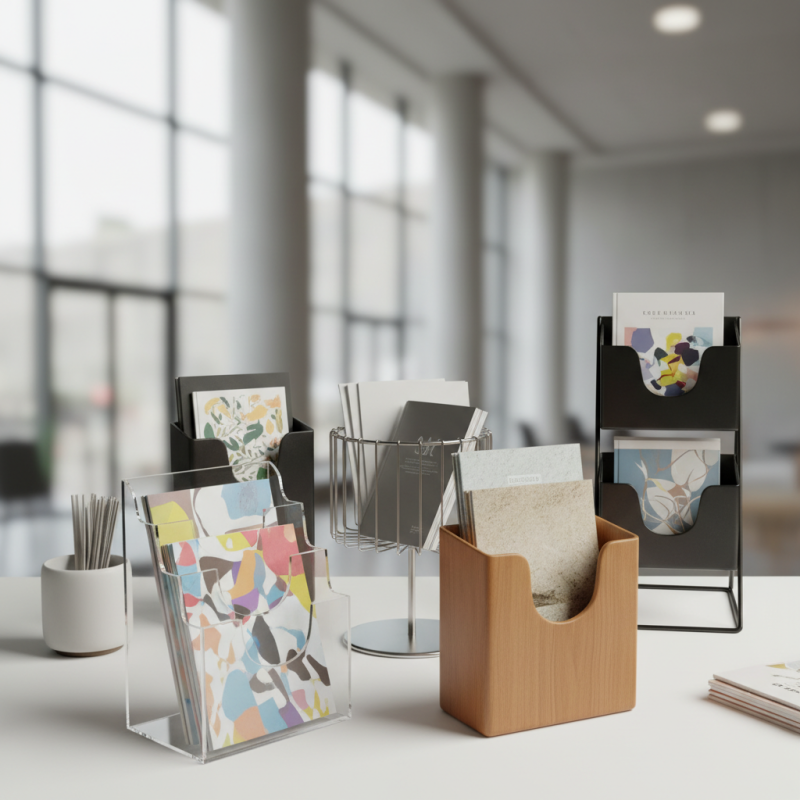
When selecting a brochure holder, consider its size and style. You need to match it with your brochures' dimensions. Look for options that reflect your brand identity. Clear acrylic holders are popular, but wood adds a unique touch. Each choice impacts the viewer's perception.
However, not all brochure holders work for every situation. You may find certain designs don't fit your space well. Reflect on your specific needs and the message you want to convey. A brochure holder should not only hold materials, but also enhance your presentation.
Understanding the Different Types of Brochure Holders Available
When selecting a brochure holder, it's essential to understand the various types available. There are countertop models, wall-mounted options, and portable solutions. Each type has its unique use cases. Countertop holders are ideal for retail spaces, often made from acrylic or metal. A survey by MarketingProfs indicates that 70% of consumers interact with printed materials when they are prominently displayed.
Wall-mounted holders save space while still showcasing brochures. These are commonly found in offices or waiting areas. They can accommodate multiple brochures, making them efficient. Crafting an engaging display is vital. Research from the Paper and Packaging Board states that 79% of customers appreciate brands that use quality printed materials. However, the strategic placement of wall-mounted holders can be overlooked. This may hinder visibility.
Portable brochure holders are versatile for events and trade shows. They can easily fit into bags or carry cases. Despite their ease of transport, they may not always offer the sturdiness needed for heavy brochures. Consider the trade-off between portability and stability when making your choice. It’s crucial to reflect on where and how you will use these holders to ensure maximum impact on your audience.
Assessing Your Space and Display Needs for Brochure Holders
When assessing your space and display needs for brochure holders, consider dimensions carefully. Measure your available area. An overcrowded space can detract from your message. A sleek design often works better in tight spots. Ensure easy access for visitors.
Think about your content type. Will you showcase brochures or flyers? If the content changes frequently, a flexible design is essential. A holder that allows quick changes can save time. Pay attention to visibility. If your brochure is not easily seen, it won't attract attention.
Lighting also plays a role. Natural light can affect readability. If your display is near a window, ensure it won’t fade your materials. Consider the flow of foot traffic. A well-placed holder can engage more visitors. However, if it obstructs pathways, it may become a nuisance. Balancing visibility and accessibility is key.
2026 How to Choose the Best Brochure Holder for Your Needs?
| Feature |
Option A |
Option B |
Option C |
| Material |
Acrylic |
Wood |
Metal |
| Size |
Tri-Fold |
Bi-Fold |
Multi-Pocket |
| Display Type |
Tabletop |
Wall-Mounted |
Floor Stand |
| Color Options |
Clear |
Natural Wood |
Black |
| Budget Range |
$10 - $25 |
$20 - $50 |
$30 - $70 |
Material and Durability Considerations for Brochure Holders
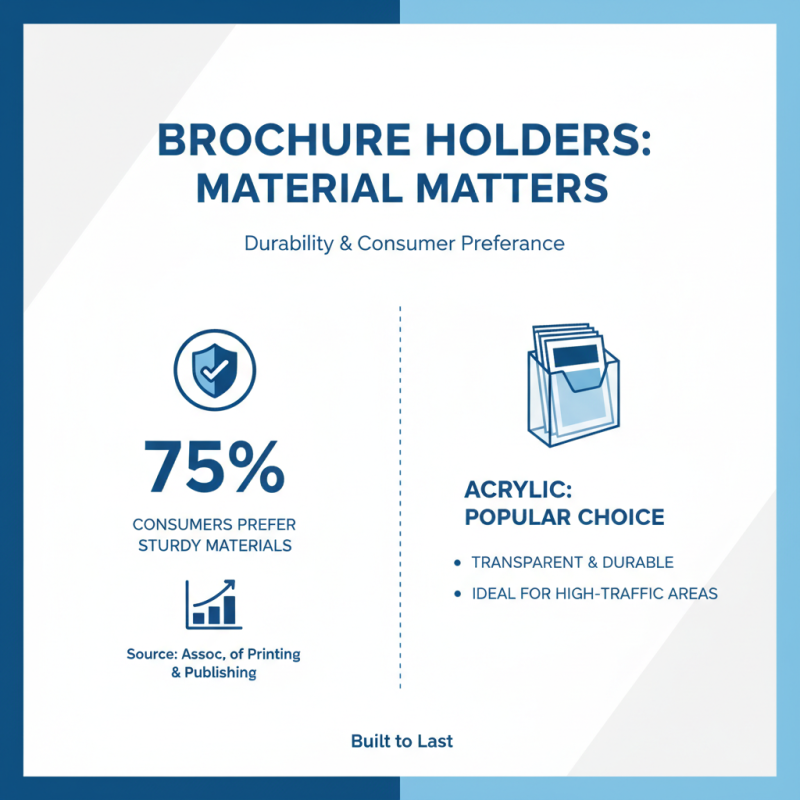
When selecting brochure holders, material and durability are crucial factors. A study by the Association of Printing and Publishing noted that 75% of consumers prefer materials that are sturdy. Acrylic is a popular choice for brochure holders, known for its transparency and durability. It withstands daily use, making it ideal for high-traffic areas.
Metal options, like stainless steel or aluminum, offer strength and a modern aesthetic. However, they can be more expensive. According to industry reports, metal holders may last up to 10 years with proper care. In contrast, cardboard or paper holders are inexpensive but might wear out quickly. They’re ideal for short-term promotions.
Reflecting on these options, it’s important to balance cost with longevity. Choosing a holder based solely on price may lead to frequent replacements. Is it worth the hassle? Investing in a durable holder can save money in the long run. Consider how the material aligns with your brand’s image. If it doesn’t resonate, the investment may fall short.
Design and Aesthetics: Choosing the Right Look for Your Brochure Holder
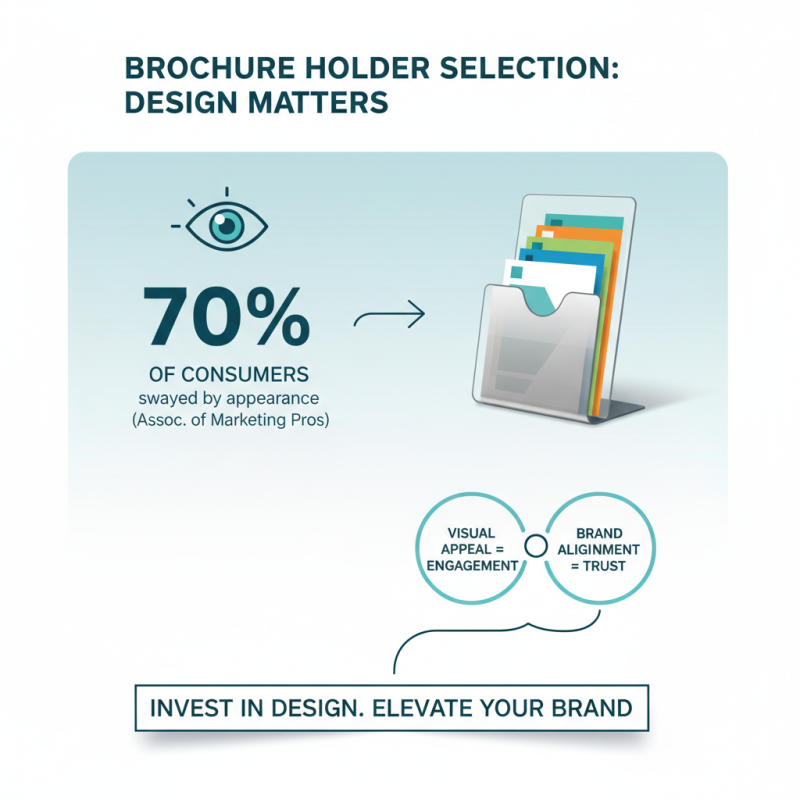
When selecting a brochure holder, design and aesthetics play a crucial role. A visually appealing brochure holder can attract attention and enhance the presentation of your materials. According to a study by the Association of Marketing Professionals, over 70% of consumers are influenced by a product's appearance. This highlights the importance of investing in a design that aligns with your brand identity.
Material choice impacts the overall look. Acrylic holders offer a sleek, modern design, while wooden options provide a classic feel. Each material communicates different messages about your brand. In a survey conducted by the Packaging Design Association, 68% of respondents indicated that they prefer eco-friendly materials. Bear this in mind when making a decision. However, balancing style and functionality can be tricky. A holder that looks great may not always be practical.
Colors are essential in brochure holders. Bright colors can grab attention but may clash with your branding. Neutral tones offer a more versatile look. Data from Color Marketing Group shows that colors can affect mood and perception. Therefore, selecting the right color is not just aesthetic; it can influence how clients feel about your brand. Experimenting with different designs can yield unexpected insights. Some choices may require revisiting, but that’s part of the creative process.
Budgeting: Finding Affordable Options without Compromising Quality
When selecting brochure holders, budgeting is key. Quality options are available without breaking the bank. Reports suggest that nearly 30% of businesses face challenges in managing their marketing budget effectively. However, affordable brochure holders can enhance your promotional materials greatly.
Look for materials that balance cost and durability. Acrylic holders are popular; they are lightweight and long-lasting. Many organizations report satisfaction when investing in these options at the right price. Depending on the style, pricing can range from $5 to $50. A basic yet sturdy design often suffices for display needs.
Tip: Compare different suppliers to find the best deals. Many retailers offer bulk discounts. This can lead to significant savings if you're purchasing for an event or long-term use. Customization might seem tempting, but generic designs often yield better cost efficiency.
Be wary of overly cheap products. They may compromise quality, leading to damage or unattractive displays. Remember, a poor presentation can harm your brand's reputation, even on a tight budget. Finding that balance is essential to ensure your brochures always shine.
2026 Best Brochure Holders - Price vs Quality

 Contact Us