How to Choose the Best Aluminum Light Box for Your Display Needs
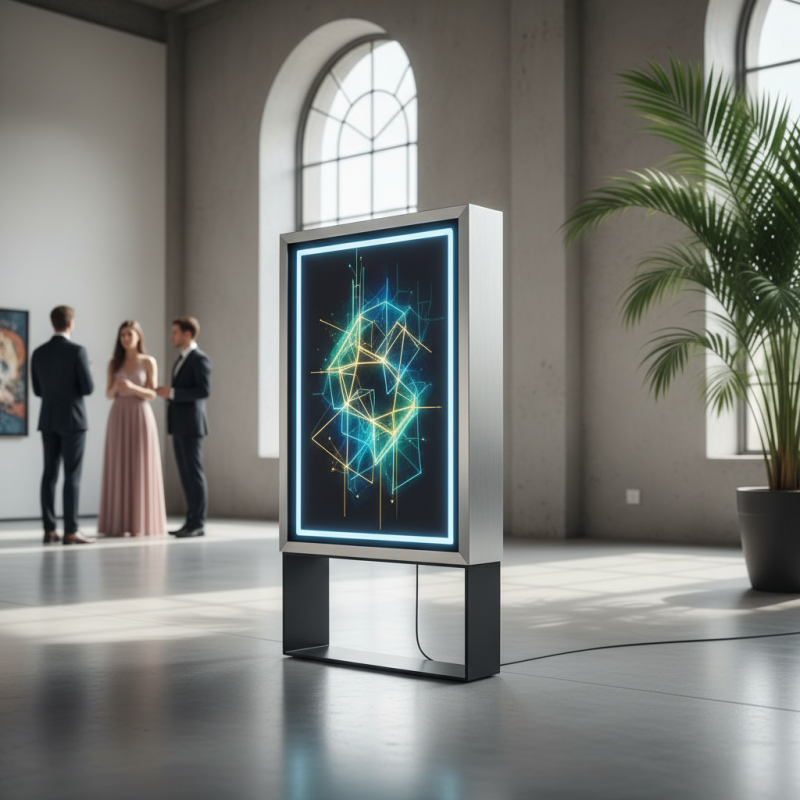
When it comes to showcasing your products or conveying important messages, an Aluminum Light Box can be an invaluable tool. These visually striking displays not only enhance the aesthetic appeal of your presentation but also ensure that your content stands out in any environment. Choosing the right Aluminum Light Box is crucial, as it can significantly impact the effectiveness of your marketing strategy and the overall customer experience.
In the following sections, we will explore key factors to consider when selecting the best Aluminum Light Box for your display needs. From size and illumination options to design and portability, understanding these elements will help you make an informed decision that aligns perfectly with your branding and display objectives. Whether you are setting up for a trade show, gallery, or retail space, an optimal Aluminum Light Box will elevate your display and captivate your audience's attention.
Types of Aluminum Light Boxes: Understanding Your Options
When considering which aluminum light box to choose for your display needs, it's essential to understand the various options available. Aluminum light boxes come in a variety of styles, including backlit, edge-lit, and front-lit designs.
 Backlit light boxes are incredibly popular because they provide uniform illumination across the entire surface, making your graphics stand out vibrantly. Edge-lit models have LED lights placed along the edges, which can create a sleek visual effect and save space, while front-lit options are best for showcasing graphics that do not require backlighting.
Tip: When selecting a light box, consider the type of graphic material you will be using. For fabrics or translucent materials, a backlit box will enhance the colors and details, whereas for opaque materials, edge-lit or front-lit options may work better.
Additionally, the size and shape of the aluminum light box are important factors. Light boxes can range from small tabletop displays to large wall-mounted installations. If you have limited space, choosing a slim profile or a portable light box could be the best option.
 For high-impact visibility, larger light boxes can draw attention from afar, making them ideal for trade shows or retail locations.
Tip: Always assess the installation and maintenance requirements of your chosen light box. Some models are designed for easy setup and can be transported easily, while others may require more effort for installation or upkeep.
Key Factors to Consider When Selecting a Light Box
When selecting an aluminum light box for your display needs, there are several key factors to consider that can significantly impact the effectiveness and visibility of your advertising. One primary aspect is the size and format of the light box. According to a report by the Display Industry Association, striking a balance between size and visibility is crucial, as larger displays can increase viewer engagement by up to 70%. It's essential to assess your target audience and the viewing distance to choose a size that will maximize impact.
Another critical factor is the type of illumination used in the light box. LED technology has become increasingly popular due to its energy efficiency and longer lifespan, with reports indicating that LED-lit displays can save up to 75% more energy than traditional lighting options. Furthermore, the quality of light output affects the vibrancy of the colors and graphics displayed. For instance, using higher lumen outputs can enhance color saturation, making your designs stand out in both bright and dim settings.
Lastly, consider the ease of maintenance and installation. An efficient design not only simplifies changing graphics but also reduces labor costs associated with upkeep. As per a study by the American Advertising Federation, ease of use in display systems can lead to a 30% quicker turnaround time for promotional campaigns. Thus, evaluating these key factors will ensure you choose the best aluminum light box tailored to your specific display requirements.
Evaluating Size and Portability for Your Display Needs
When selecting the best aluminum light box for your display needs, evaluating size and portability is crucial. According to a recent industry report, 75% of retail display decisions are influenced by the size and convenience of the display unit. A light box that is too bulky may deter potential customers and compromise the effectiveness of your marketing strategy. Therefore, understanding the dimensions and weight of the light box you choose is fundamental; it should fit seamlessly into your display area without overwhelming the product it is meant to showcase.
Portability is another critical aspect to consider. Research indicates that trade shows and event marketing have grown 20% in the last few years, emphasizing the need for displays that are easy to transport. An aluminum light box that is lightweight and designed for easy assembly can save time and effort during setup and teardown, especially when participating in multiple events. Opting for portable options can enhance your display flexibility, allowing you to adapt quickly to various environments while maintaining a professional appearance.
Aluminum Light Box Size and Portability Comparison
Lighting Technology: Choosing Between LED and Other Options
When selecting an aluminum light box, one of the critical decisions involves the
lighting technology employed.
LED (Light Emitting Diode) technology has gained significant traction in recent years due to its numerous advantages over traditional lighting methods.
According to a report by the U.S. Department of Energy, LED lights use at least
75% less energy and last
25 times longer than incandescent lighting.
This energy efficiency not only reduces operational costs but also minimizes environmental impact,
making LEDs an attractive option for businesses looking to enhance their displays while promoting sustainability.
In addition to energy savings, LEDs offer
superior brightness and color consistency,
essential for attention-grabbing displays. A study published in the Journal of Display Technology
highlighted that LEDs provide brighter illumination with minimal heat output, which is particularly
beneficial for light boxes where overheating can potentially damage displays or artwork.
Moreover, LEDs are highly versatile, with options available in various color temperatures and RGB configurations,
allowing businesses to customize their light boxes to achieve the desired ambiance and visual appeal.
For those considering alternatives such as fluorescent or neon lighting, the drawbacks, including shorter lifespans
and the presence of harmful materials, make LEDs the favored choice for modern display solutions.
Budget Considerations: Finding the Right Balance for Quality and Cost
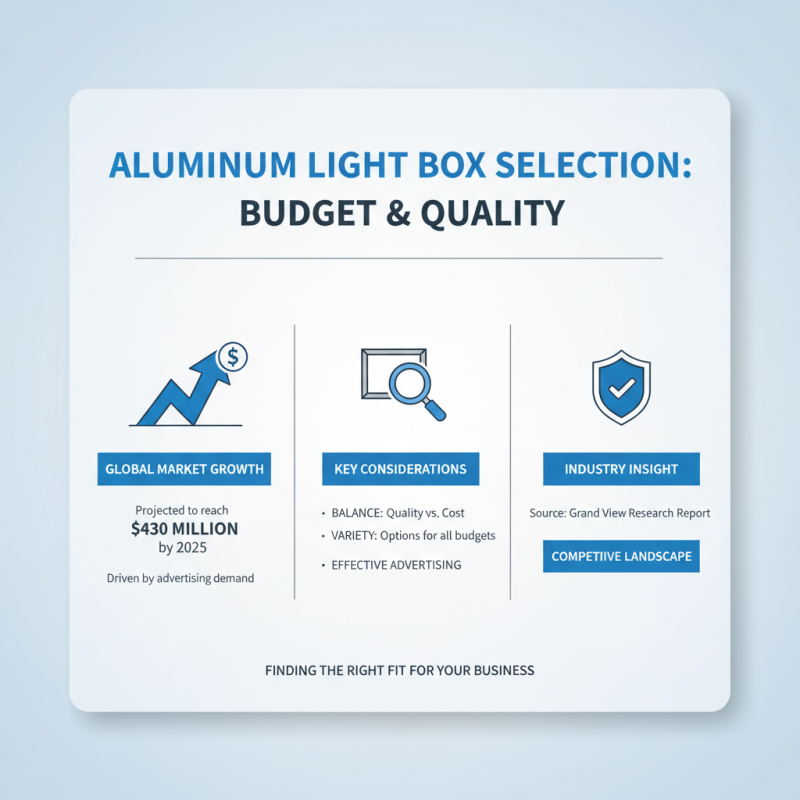
When selecting an aluminum light box for display purposes, budget considerations play a critical role in ensuring you achieve the right balance between quality and cost. According to a recent industry report from Grand View Research, the global light box market is projected to reach $430 million by 2025, driven largely by increased demand for effective advertising solutions. This growth indicates a competitive landscape where the variety of options available allows businesses to find products aligned with their financial constraints while also meeting quality demands.
Investing in an aluminum light box typically requires evaluating material quality, illumination technology, and overall design. A 2021 study published by IBISWorld highlighted that consumers are increasingly willing to spend 15-20% more on products that promise durability and superior performance. Therefore, while it may be tempting to opt for cheaper alternatives, these lower-cost products often compromise on longevity and visual impact. Balancing cost with quality involves considering features such as LED lighting, which not only enhances brightness but also offers energy efficiency—a crucial factor given the rising importance of sustainability in marketing. By carefully assessing these elements, businesses can ensure their investment in light boxes will yield effective advertising without breaking the bank.

 Contact Us