Best Exhibition Standard Booth Designs for International Buyers?
In the competitive landscape of international exhibitions, the importance of a well-designed Exhibition Standard Booth cannot be overstated. According to the Global Exhibition Industry Report 2022, businesses with engaging booth designs see an increase in visitor engagement by 40%. This data highlights how strategic booth layouts and aesthetics can significantly influence buyer interactions.
Exhibition Standard Booths serve as a pivotal touchpoint for brands aiming to leave lasting impressions. The design elements, such as color schemes and lighting, play a crucial role in attracting potential clients. Industry experts suggest that a cohesive theme across booth design can enhance brand recall by 50%. However, it is essential to avoid overly complex designs that may confuse visitors. Simplicity often resonates more effectively.
While striving for innovation, some designs fall short of practicality. A balance between creativity and functionality is key. A booth might look stunning but lack essential features like clear navigation. Reflecting on successful designs can offer insight into what truly engages international buyers. Therefore, the aim is to create not just a visually appealing space but one that fosters meaningful connections.
Key Principles of Effective Exhibition Booth Design for Global Markets
Designing an effective exhibition booth for international markets requires attention to several key principles. First, clarity in message is essential. Buyers should immediately grasp what your brand represents. According to a report by the Center for Exhibition Industry Research, 76% of attendees felt that clearly defined messaging enhances their experience.
Another principle is visual appeal. Utilizing striking graphics and engaging layouts can draw more visitors. A study by the ASAE Foundation showed that appealing booth designs can increase visitor interaction by up to 30%. However, a common pitfall is overcomplicating designs. Some booths are overcrowded with information. This can overwhelm visitors and distract from the core message.
**Tip:** Use clean lines and ample white space for focus.
Additionally, considering cultural nuances is vital. Colors, symbols, and layouts can have different meanings across cultures, affecting buyer perception. Failing to respect these differences might alienate potential clients.
**Tip:** Research cultural preferences beforehand to avoid missteps.
Finally, booth staff must be trained to engage effectively. Knowledgeable staff can create meaningful connections with visitors. Studies indicate that 47% of attendees focus on the staff's expertise. Each element of the booth, from design to engagement, contributes to creating a lasting impression in global markets.
Innovative Features to Incorporate in International Exhibition Booths
In today's competitive exhibition landscape, incorporating innovative features into booth designs can significantly enhance visitor engagement. One key trend is the use of interactive technology, such as augmented reality (AR). A recent report highlighted that booths with AR components increased visitor retention by up to 70%. This immersive experience not only attracts attendees but also helps convey complex information effectively.
Sustainability is also a critical factor for international exhibition booths. Research indicates that 82% of buyers prefer brands that demonstrate environmental responsibility. Modular designs made from eco-friendly materials can align with this demand. Features like energy-efficient lighting and recycled structures can appeal to environmentally conscious visitors while maintaining a modern aesthetic.
Another essential element is personalization. Collecting data from visitors allows exhibitors to tailor experiences to individual preferences. Surveys show that personalization can enhance customer satisfaction by 15%. Yet, many exhibitors still overlook this aspect. Implementing simple tools, such as interactive kiosks for surveys or preferences, can create valuable insights. Exhibitors must adapt or risk losing touch with evolving buyer expectations.
Essential Materials and Technologies for Standard Exhibition Booths
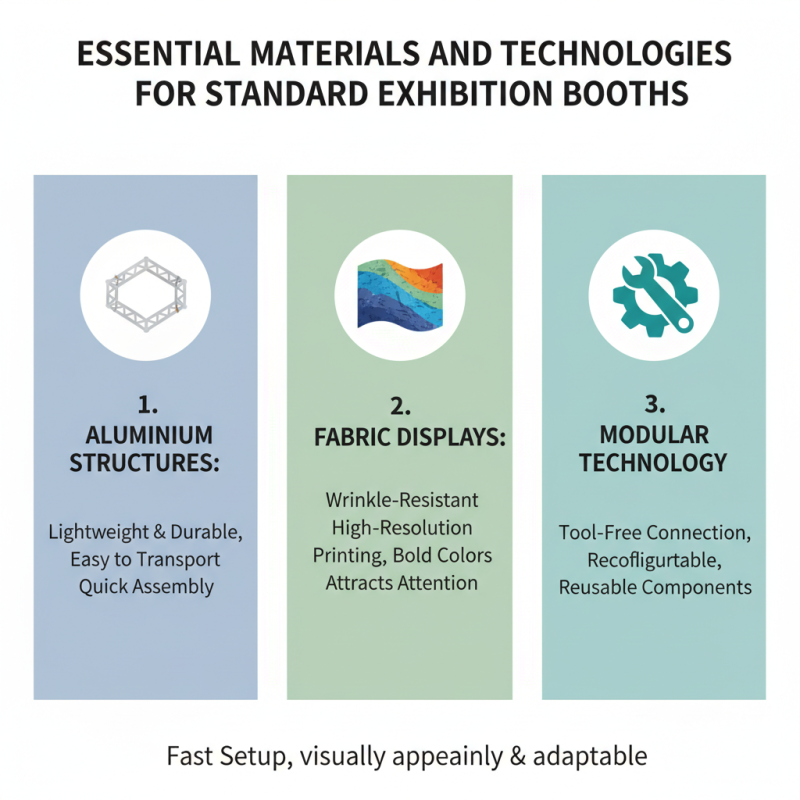
When designing standard exhibition booths, choosing the right materials and technologies is crucial. Lightweight structures made from aluminum offer durability and easy transport. Fabric displays, which can be printed in vibrant colors, help capture attention. These materials are visually appealing and can be quickly assembled and disassembled.
Technology plays a significant role in modern exhibition booths. Interactive screens attract visitors and provide information efficiently. Integrated lighting enhances product visibility and sets the mood for engagement. However, one must be wary of overusing technology. It can overshadow the products or create confusion. A balance between technological integration and clear messaging is essential.
Incorporating sustainable materials is increasingly important. Eco-friendly options can enhance the booth's appeal to environmentally-conscious buyers. However, sourcing sustainable materials can be more challenging and costly. It's vital to weigh the benefits against potential drawbacks. A thoughtful approach to booth design will ensure it meets the needs of international buyers while standing out in a competitive landscape.
Strategies for Maximizing Visitor Engagement at Exhibition Booths
In the competitive atmosphere of exhibitions, engaging visitors is key to success. One effective strategy is to create an interactive booth experience. Displaying products that allow for hands-on interaction can significantly draw attention. Consider incorporating touchscreens or virtual reality elements to create excitement. Visitors are more likely to remember an engaging experience.
Offering informative demonstrations can also captivate your audience. Schedule live presentations to showcase your products in action. This not only attracts attention but also establishes authority. Remember, clarity is crucial. Avoid overwhelming visitors with excessive information. Focus on key messages that resonate with their interests.
In addition to engaging content, the booth design should facilitate easy movement. A crowded space can deter visitors. Make sure that the layout encourages flow and interaction without feeling cramped. The aesthetics should reflect your brand but also provide comfort. This balance is essential in maintaining a welcoming atmosphere. Reflective booth designs can enhance visitor curiosity while maintaining professionalism.
Best Practices for Layout and Space Management in Booth Design
Effective booth design is crucial for making a lasting impression on international buyers. Research indicates that 76% of attendees are more likely to engage with a visually appealing booth. A well-organized layout directly influences foot traffic and interaction rates. For example, placing high-demand products at eye level can enhance visibility.
Resource management is pivotal, with studies showing that 43% of exhibitors struggle with space utilization.
Utilizing open layouts can foster better communication. Providing dedicated areas for meetings can facilitate deeper conversations. A careful balance between open space and product display is essential. Moreover, creating areas for networking can enhance engagement.
Feedback from previous exhibitors highlights the importance of flow and accessibility. Challenges often arise with overcrowding or poorly defined spaces, hindering potential interactions.
Additionally, branding elements should be strategically placed. Clear visual cues enhance recognition while ensuring clarity in messaging. Buyers benefit from an environment that feels inviting yet professional. A booth can be a showcase of innovation, but without a thoughtful layout, these opportunities might be lost.
It's crucial to regularly assess booth performance and make adjustments based on attendee feedback.

 Contact Us