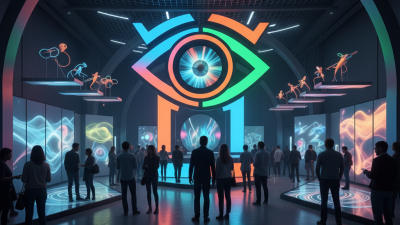
How to Create an Attractive Exhibition Design Booth for Buyers?
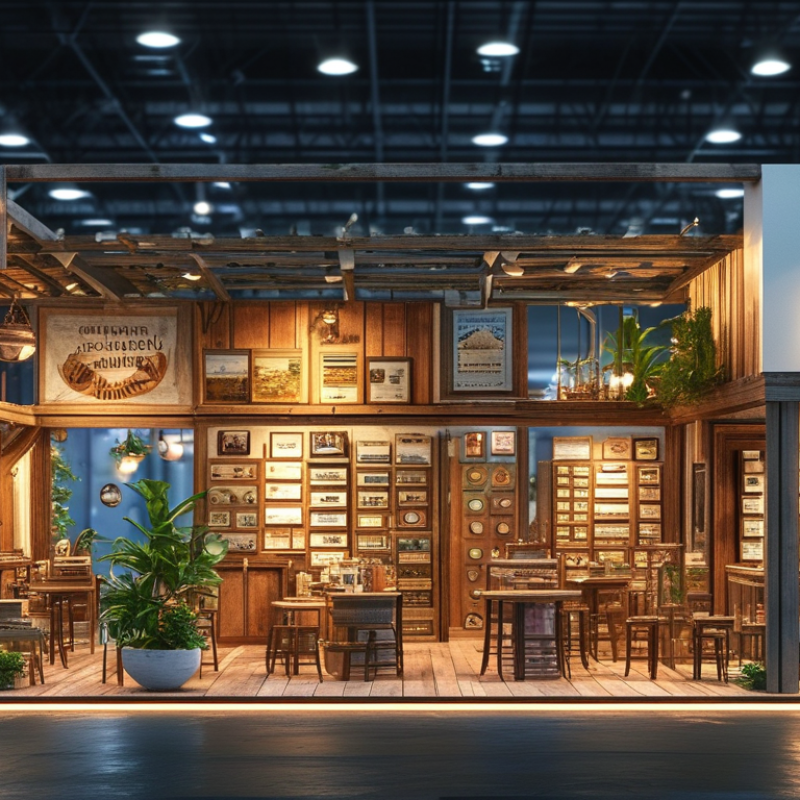
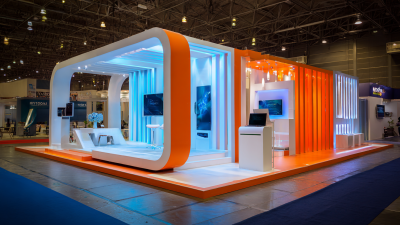
Creating an attractive Exhibition Design Booth is crucial for capturing buyer attention. Expert designer Sarah Johnson states, “A booth should tell a story that resonates with visitors.” This insight emphasizes the importance of creating an engaging atmosphere that invites exploration.
An effective booth blends creativity and functionality. It should highlight products while ensuring easy navigation. Attractive visuals and strategic layouts draw buyers in, making them want to learn more. However, even the best designs can face challenges. Poor lighting or overcrowded spaces can detract from the intended impact.
Reflection is key in this industry. Are we truly connecting with our audience? Continuous improvement matters. By analyzing feedback and adapting designs, exhibitors can enhance their presence. An Exhibition Design Booth must be a living solution that evolves with buyer expectations.
Understanding the Purpose of an Exhibition Booth Design
An exhibition booth serves multiple purposes, from brand visibility to engaging potential clients. According to industry reports, an attractive booth can significantly increase visitor traffic. A well-designed booth captures attention and creates an inviting atmosphere. Experts agree that aesthetics play a crucial role in initial impressions.
Understanding the psychology of visitors is essential. The Trade Show Association found that nearly 76% of attendees remember the booths they visit. Clear messaging and interactive elements can enhance this recall. A booth should not just display products; it should tell a story. Effective design engages visitors, encouraging interaction and discussions.
However, creating an attractive booth is not just about looks. It requires careful planning and execution. Misalignment between brand identity and booth design can confuse visitors. Additionally, over-complicated layouts may deter engagement. Reflecting on booth effectiveness after events can reveal insights. Continuous improvement is vital for future exhibitions.
Identifying Your Target Audience and Their Needs
Creating an attractive exhibition booth is not just about aesthetics. It’s essential to identify your target audience and understand their needs. Knowing who you want to attract makes all the difference. Focus on demographics, interests, and buying behaviors. These factors guide your design choices.
Tips: Conduct surveys to gather insights. Ask potential buyers what they want to see. Use social media to uncover trends. This data can shape your booth's layout and display.
Creating engaging features, such as interactive displays, can attract attention. However, ensure these elements reflect your audience's preferences. A high-tech setup might excite some, while others may prefer a simpler approach. Reflecting and adapting to your audience is key.
Tips: Regularly solicit feedback. Consider testing your booth concept with select individuals. Their input is valuable. It’s okay if the initial design doesn’t resonate perfectly. Use those reflections to improve your approach.
Incorporating Visual Elements to Enhance Attractiveness
Creating an attractive exhibition booth starts with visual appeal. According to a study by the Exhibit Designers and Producers Association, 76% of attendees prefer booths that feature engaging graphics and colorful displays. Utilizing bold visuals can draw in potential buyers, capturing their attention instantly. Large banners, vibrant colors, and dynamic images can create an immersive experience.
However, not all visual elements guarantee success. A survey indicated that 65% of exhibitors often overlook the importance of layout and flow. A cluttered booth can confuse visitors and hide key messages. Planning the arrangement of components, like product displays and banners, is crucial. Open spaces allow for easier navigation and encourage interaction.
Moreover, including interactive technology can enhance overall engagement. A report by the Center for Exhibition Industry Research highlights that interactive booths can increase dwell time by 30%. Yet, failing to balance tech with human interaction can alienate some visitors. While screens and digital displays attract attention, personal engagement remains essential for building connections. Every element must work together to convey a cohesive narrative, ensuring the booth is not just visually appealing but meaningful as well.
Exhibition Design Elements and Attractiveness Ratings
Choosing Functional Layouts for Optimal Visitor Engagement
Creating an engaging exhibition booth begins with a thoughtful layout. The layout should encourage movement. Wide pathways allow visitors to explore without feeling cramped. Placing the main attractions in a central location can draw in crowds. Using furniture, like stools or tables, can create natural gathering spots. Balance is crucial. Too much space can feel empty and uninviting, while overcrowding might repel potential visitors.
Different areas can serve various purposes. For example, a product display might benefit from a clear sightline. Interactive elements can elevate interest. Consider adding touchscreens or product demos. These elements invite participation, making visitors feel more connected. Lighting also plays a role in guiding attention. Bright spots can highlight key features, while softer lights create a warm atmosphere.
It's vital to reflect on your design choices. Aesthetic appeal is important, but functionality should come first. A beautiful booth is ineffective if it fails to direct visitor flow. Gathering feedback after each event can provide insights. What worked? What didn’t? Each show presents a new learning opportunity to refine your approach for next time.
Utilizing Effective Branding Strategies in Your Booth Design
When designing an exhibition booth, effective branding is crucial. Your booth serves as a physical representation of your brand. It should communicate your values and mission clearly. Use colors and graphics that resonate with your brand identity. Ensure these elements create an inviting atmosphere that draws buyers in.
Visibility is key. Use signage that is easy to read from a distance. Everyone passing should immediately grasp your brand message. Incorporate unique features, like eye-catching displays or interactive elements. These can enhance engagement and leave a lasting impression. However, avoid clutter; a crowded booth can confuse visitors.
Remember, details matter. Small elements, such as branded giveaways or thoughtful product placements, can make a difference. Reflect on your past designs. What worked? What didn't? Engage with attendees and gather feedback. This can provide insights that enhance your future booths. Balancing creativity with clarity can set your exhibition apart.
How to Create an Attractive Exhibition Design Booth for Buyers? - Utilizing Effective Branding Strategies in Your Booth Design
| Element |
Description |
Impact on Buyers |
Branding Strategy |
| Signage |
Clear, bold signage that reflects brand identity |
Attracts attention from afar, increases foot traffic |
Consistent color schemes and logo usage |
| Interactive Displays |
Engaging elements like touchscreens or demos |
Enhances visitor experience, encourages longer visits |
Highlight product features and benefits through interaction |
| Lighting |
Strategic use of lighting to highlight key areas |
Creates an appealing atmosphere, draws focus |
Use of colors that match branding |
| Promotional Materials |
Brochures, business cards, and giveaways |
Reminds visitors of brand, encourages follow-ups |
Incorporate brand elements in all materials |
| Layout |
Open and inviting space for easy navigation |
Encourages visitors to explore the booth |
Flow that guides visitors through brand story |

 Contact Us