In recent years, the demand for modular exhibition stands has surged significantly. These versatile displays allow brands to adapt quickly to evolving market needs. According to a recent report by Statista, the global exhibition industry is projected to reach $28 billion by 2026. This growth highlights the increasing importance of innovative presentation tools.
Modular exhibition stands offer flexibility and reusability. They can be tailored to fit diverse spaces and themes. This adaptability is crucial in a world where consumer attention spans are dwindling. By 2026, brands will increasingly prioritize eye-catching, customizable designs that reflect their identity. However, despite advancements, many designs still lack sustainability and eco-friendliness.
Investing in modular solutions also comes with challenges. Companies must continuously rethink their strategies. Balancing aesthetics and function can be tricky. Additionally, many organizers may overlook the technical challenges in setting up these stands. As the industry evolves, finding the right blend of innovation and practicality will be essential.
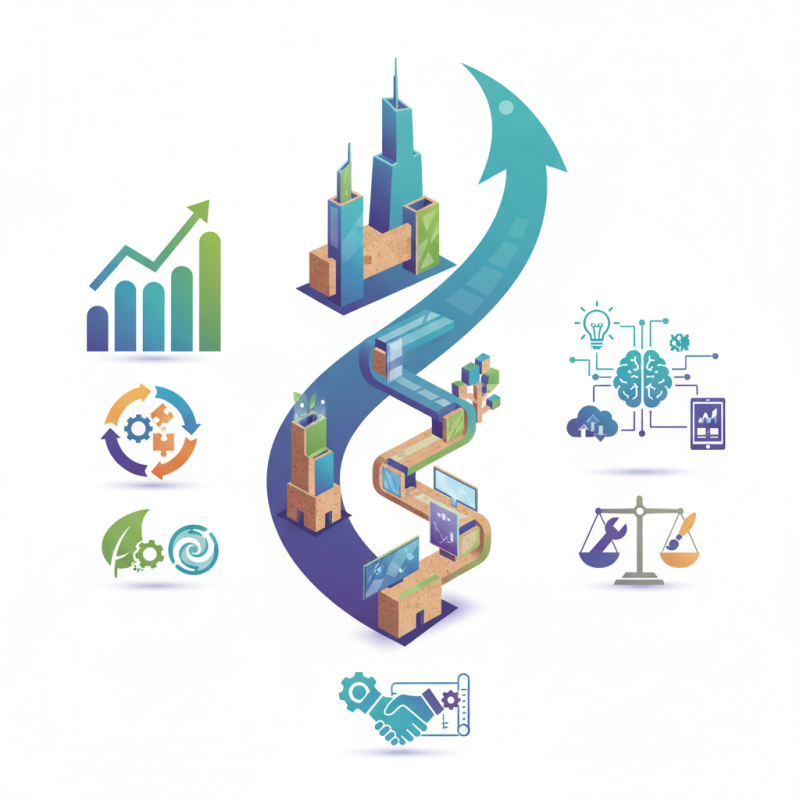
Modular exhibition stands are evolving rapidly. Emerging technologies are playing a crucial role in this transformation. Innovative designs now incorporate interactive elements, enhancing visitor engagement. Virtual reality and augmented reality create immersive experiences. These technologies provide an opportunity to showcase products in unique ways. Visitors can visualize products in their environments before purchase.
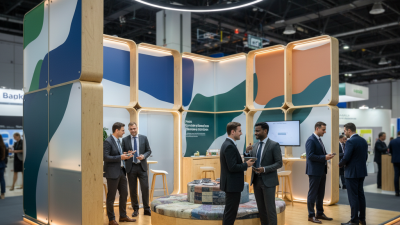
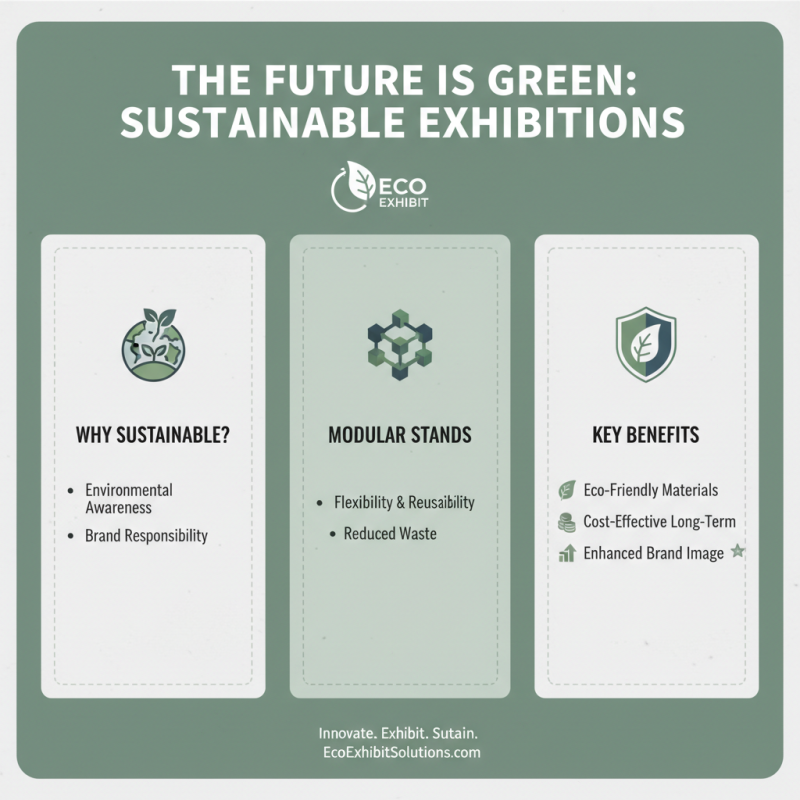
Sustainability is another key trend. Eco-friendly materials are becoming mainstream in modular design. Brands are focusing on reducing waste and carbon footprints. This shift resonates with modern consumers. However, the implementation of these sustainable solutions often faces challenges. Finding cost-effective materials can be tough. Moreover, the balance between aesthetics and sustainability needs fine-tuning.
Lighting is essential in modern exhibition stands. Smart lighting can enhance the atmosphere dramatically. Dynamic lighting adjusts to different parts of the day and audience moods. It creates a unique ambiance. Yet, overdoing it can overwhelm the audience. Minimalism is sometimes a better approach. Achieving this fine balance requires careful thought and creativity. These trends highlight an evolving landscape. Staying current means embracing both challenges and opportunities.
| Trend | Description | Impact | Implementation |
|---|---|---|---|
| Sustainable Materials | Utilization of eco-friendly materials in stand designs to promote sustainability. | Enhances brand image and appeals to environmentally conscious consumers. | Incorporate recycled materials and sustainably sourced woods. |
| Interactive Technologies | Integration of augmented reality (AR) and virtual reality (VR) experiences. | Increases engagement and immersively showcases products. | Use AR applications for product demos and VR for virtual tours. |
| Modular Flexibility | Designs that can be easily modified for different sizes and configurations. | Reduces costs and allows for scalability across various events. | Implement modular frameworks that can adapt to space dimensions. |
| Smart Displays | Use of smart screens and digital signage to display dynamic content. | Enhances information dissemination and attracts visitor attention. | Incorporate touch screens and responsive displays into stand design. |
| Personalization | Tailoring exhibition experiences to individual visitor preferences. | Increases visitor satisfaction and facilitates stronger brand connections. | Utilize data analytics to customize interactions during events. |
Sustainable materials are becoming essential in the exhibition industry. With increased awareness of environmental issues, brands are seeking eco-friendly solutions. Modular exhibition stands offer unique opportunities, combining flexibility and sustainability.
Using recycled and biodegradable materials is a key trend. Designers are focusing on how to minimize waste while maximizing aesthetic appeal. Thrift store furnishings and repurposed items can add character. However, it can be challenging to maintain a polished look while being eco-conscious.
There is still much to explore in this area. Many designers struggle to balance form and function with sustainability. Innovations in sustainable materials are needed. Finding the perfect combination of style and eco-friendliness requires careful consideration. Embracing these materials is crucial for a greener future in exhibitions.
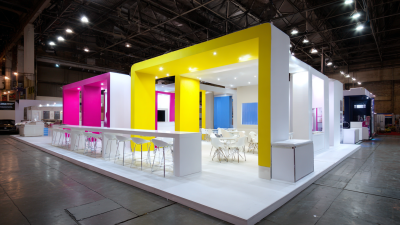
In today's competitive landscape, brand differentiation is vital. Modular exhibition stands offer unique customization opportunities. Each stand can be tailored to reflect a brand’s identity. Colors, shapes, and materials can be mixed and matched. This flexibility allows companies to create a memorable presence.
Some brands struggle with this customization process. They may hesitate and stick to templates. However, breaking away from the norm is essential. Incorporating interactive elements can attract more engagement. Think about integrating digital displays or movable parts. Visitors are drawn to dynamic experiences.
Not all designs resonate with the audience, though. Some may find a stand too cluttered or overwhelming. Balancing aesthetics and functionality is crucial. Reflecting on feedback can guide future improvements. Modifications based on real-world interactions can lead to better outcomes. This journey of customization is ongoing and requires careful thought.
In recent years, modular exhibition stands have embraced interactive features that captivate audiences. Touchscreens and augmented reality are becoming staples in design. These tools invite visitors to engage with products in a dynamic way. Imagine a booth where attendees can explore a virtual product tour. They interact rather than just observe, enhancing their experience significantly. This shift promotes a deeper connection between brands and visitors.
However, the integration of these interactive elements is not always seamless. Some designs may lack user-friendliness, causing frustration. A complex interface can deter potential leads. Simplicity is key. Brands must strike a balance between innovation and usability. Experimenting with various designs can lead to missteps. Yet, these moments offer valuable insights into audience behavior and preferences. Each interaction provides data for refinement and success.
Engagement also hinges on the physical layout of these stands. Comfortable spaces encourage longer visits. Effective use of lighting draws attention, while sound can create an immersive atmosphere. But too much noise can be overwhelming. Finding the right balance requires careful thought and planning. Thus, the evolution of modular stands is an ongoing journey, fueled by trial, error, and creativity.
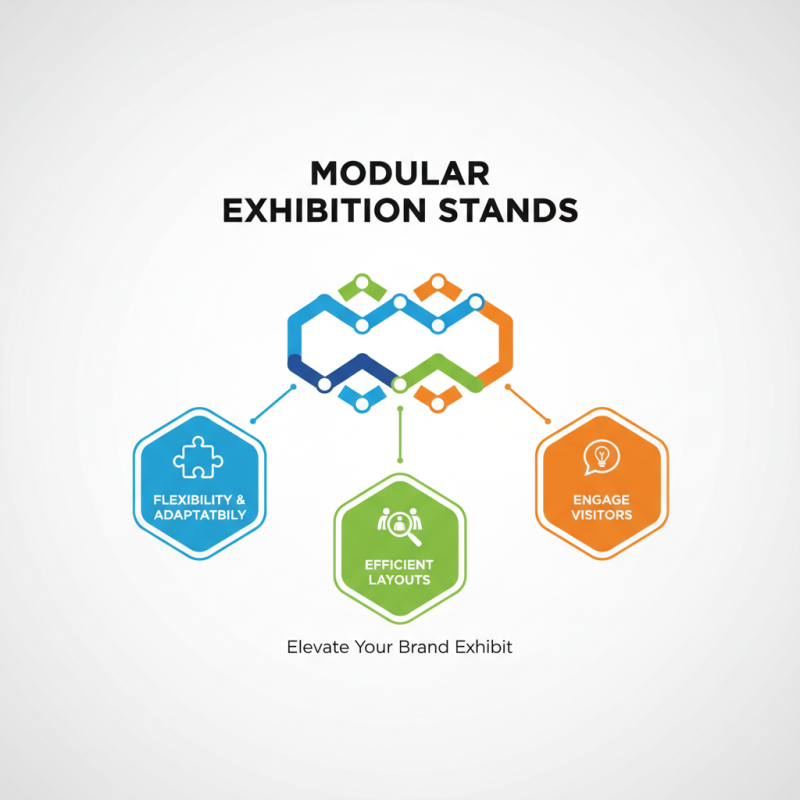
Modular exhibition stands are revolutionizing the way companies showcase their brands. These structures offer flexibility and adaptability. Efficient layouts can elevate your exhibit and engage visitors effectively.
Creating an optimal layout is key. Consider the flow of foot traffic. Ensure visitors can navigate easily without congestion. Open spaces draw in people. Use distinctive pathways to guide them through your exhibit.
Tips: Use color zones to define areas. This can help attract attention. Also, think about vertical space. Shelving or hanging displays can save ground space.
Reflect on the purpose behind each element. Each display should serve a function. Avoid clutter; it can detract from your message. Keep it simple and focused.
Another crucial aspect is lighting. Good lighting highlights your products. It sets the mood and invites curiosity. Use spotlights or backlit displays to enhance features.
Remember, layout isn't just about aesthetics. It’s about creating an experience. A thoughtful arrangement can make a lasting impression. Planning may take time, but the effort pays off.